
Spring 2023

Harbor Gardens: Local Food Market & Demonstration Kitchen
A general store building community around self-reliance and food security, appreciation for our local ecosystems and sell items sustainably grown and made in Ashtabula County.
An excerpt from North Coast Voioce Jan 2023 Homegrown! Spotlight on Local Food
Happy New Year, friends and family! This article focuses on the local food movement and happenings related.
Winter bee watch: While we may be cuddling up, the worker bees are busy. A conversation with several local bee enthusiasts
During the last big snow storm, with hands around a thick ceramic mug filled with mint tea and honey, the question arose, where do the bees go when it snows in NE Ohio? Fortunately, a few days after the question, several bee enthusiasts happened upon the shop and were able to sit down and chat for a bit about honey and bees.
Whether you drink honey or not, bees play a vital role in food generation. Pollination is the act of moving pollen from the male part of the plant flower to the female enabling growth and reproduction. Over 250,000 species of plants depend on pollination to reproduce and one-third of crops eaten by United Statesians comes from crops pollinated by bees; called entomophily. Imagine a life without apples, watermelons, cranberries, pumpkins, squash, broccoli, zucchini, roses, blackberries, raspberries, cherries, and blueberries as these are some of the plants that require pollination to reproduce (ie.form seeds). Wild plants require pollination, too. Fortunately in Ohio, we have over 500 species of native bees and we have many honey bees, too. Honey bees are not native but we foster their existence and growth for the reasons listed above plus their ability to produce honey is widely appreciated.
The fascinating honey bee story as told by Zana of Coltman Apiary and Linda Dole of Windy Hill Farm goes like this: there are three kinds of honey bees in a hive – the Queen, worker bees and drones. The Queen bee can lay as many as 1500 eggs in a day during peak production while the worker bees, all females, tend to the work of keeping the hive clean, producing and storing honey, caring for the larvae, building cells, guarding the nest and foraging/pollinating. These worker bees are wonderfully productive and live 4 to 6 weeks during the summer. The drones are male bees who wait to mate with the Queen. When winter comes, the drones are kicked out of the hive. The worker bees will form a cluster around the Queen and flap, shiver and shake to keep her warm. These workers take turns eating and clustering and a hive can go through as many as 80 pounds of honey in a season. This is why it is important for beekeepers to allow the bees to keep some honey for their wintering months. There is no hibernation and sleeping for these bees – winter is a musical and collaborative dance in admirable teamwork.
Honey bees, valued for their sweet honey production, have an agricultural benefit 10 to 20 times that of honey. They estimate $15 billion in added crop value nationwide. They are necessary in the work of pollination and we, in NE Ohio, would find it difficult to eat as well as we do without the bees. Included in this process are native bees that do not produce honey but work hard at pollination. Native bees have a much higher pollinating capacity than honey bees. They work hard at keeping food production alive through the summer. Our symbiosis with bees ensures delicious gardens! So what can an average person do to keep these pollinators happy?
We can keep bees fed, happy and working by easily adapting a few concepts into our own gardening. Enjoy looking around your own garden environment this spring and notice these tiny creatures performing subtle work that makes all of the difference.
In other local food-related news: There is a large hazelnut farm in Geauga County – Newcomb Nut Farm – inspiring folks to consider planting more nut “trees” in NE Ohio. They were in Ashtabula recently giving a demonstration of all the tasty vittles one can make with hazelnuts including hazelnut butter, cream, toasted as a salad topper, chocolate covered and hazelnut oil!
A few events happening this winter:
Jan 11 – Mar 8; Wednesday. 1-3pm; virtual and free: Western Reserve Land Conservancy hosts “Inviting Biodiversity into our Gardens.” This is the first in a series. Register at www.wrlandconservancy.org/events. Free
Jan 11 – Mar 8; every other Wednesday. 7pm. Northeast Ohio Pollinator Society. “Homegrown conservation: Stewarding our landscapes for pollinators and other wildlife.” register at go.osu.edu/neops. Free – donations happily accepted.
Jan 14, 2023; Saturday. 1-2:30pm; Henderson Memorial Library hosts, “Youth Intro to beekeeping.”
Feb 16-18: OEFFA Conference (Ohio Ecological Food & Farm Association). Join in person and learn to grow your own farm, business, adventure!
Want to get more intimately involved with bees? Check out your local beekeeping association! There are several in Ashtabula, Geauga and Lake counties.
Question for the new year: how can we become completely self-reliant regarding food in NE Ohio? We have the land, access to fresh water, clean air, knowledge and equipment. What steps are needed?
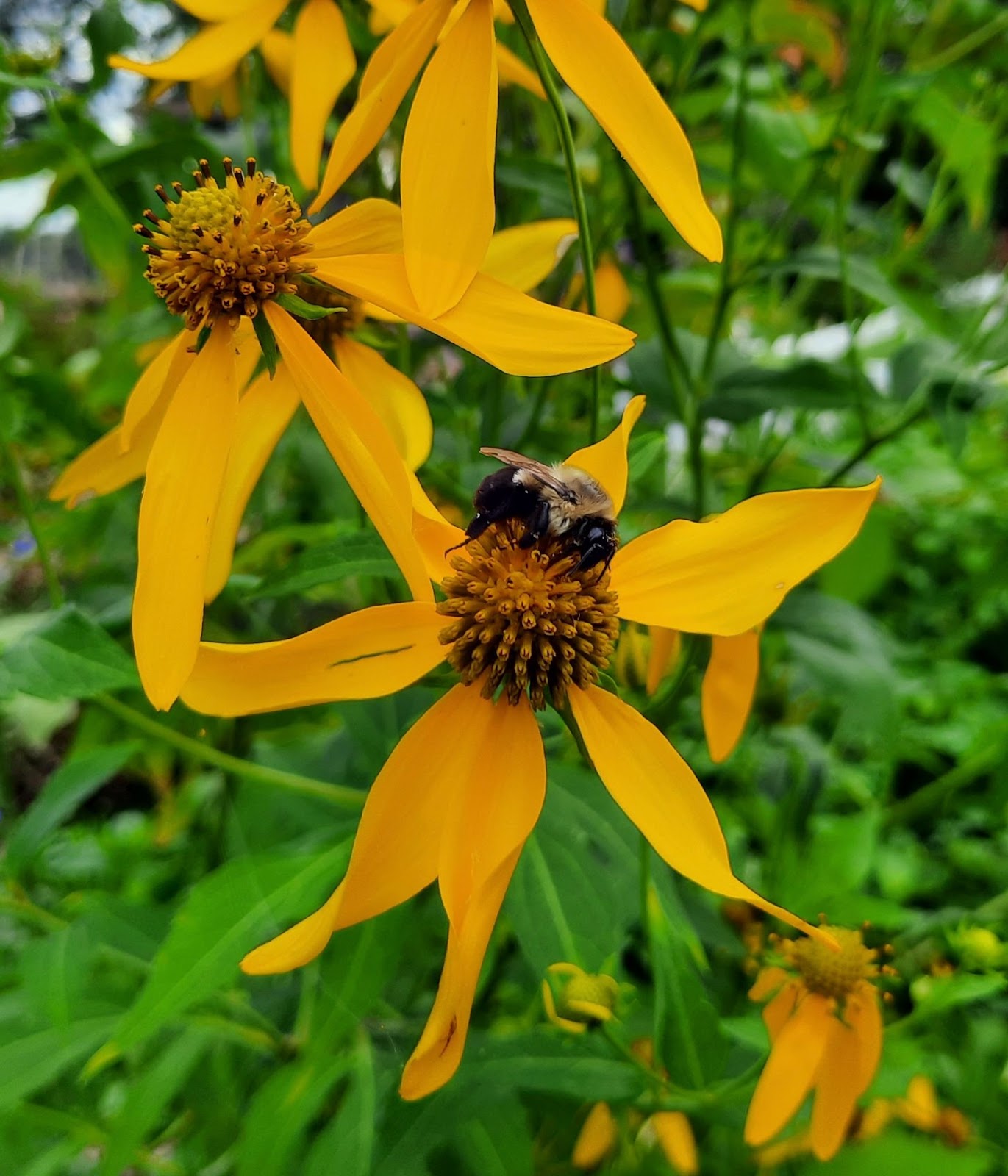
Native Sochan, a towering, edible & gorgeous perennial, and a native pollinating bumble bee in Ashtabula 2021 (photo by Gallo, garden by Sarah Brower)
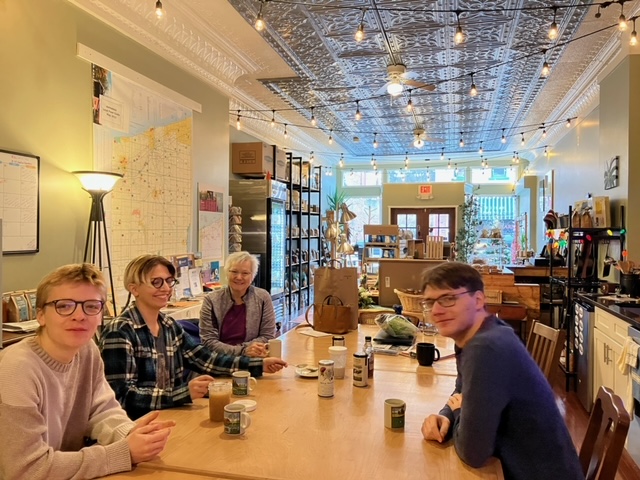
Local bee enthusiasts enjoy a cup of tea with honey at Harbor Gardens in December, 2022. L to R Quin Coltman, Zana Coltman, Linda Dole, and Ethan Coltman (of Coltman Apiary and Windy Hill Farms). Photo by Gallo
Homegrown: Spotlight on Local Food a column from North Coast Voice November 2022
By T Gallo
When was the last time you thought about a hazelnut? When you think of hazelnuts what comes to mind? Crunchy, buttery, slightly sweet, Nutella, hazelnut cream, heart health, Middlefield? The latter is where this local food story begins! For some, it all begins and ends with hazelnuts…for others, it is a seasonal delicacy. Thank goodness we are currently in the heart of the season so we are able to appreciate both. Additionally, there are enough health, ecological and epicurean benefits to make the hazelnut a staple in the Northeast Ohio local food movement.
Size and flavor: To examine a hazelnut one can appreciate the smooth texture of the oval/cylinder-shaped cob, the slight straiation of color and the point at the end. The cob is covered by the husk which will need to be manually removed during processing, or, if left to dry, will open and expose the nut. The flavor of the hazelnut keeps us coming back for more. Slightly sweet and buttery, hazelnuts are delicious raw and even tastier toasted. Great in everything from sweet to savory and a soon-to-be-a local favorite as we will introduce a new nut farm and ideal growing conditions.
Crop value: Hazelnuts are the fifth largest nut crop world-wide, with the USA as third largest producer and Ohio is the fourth largest producer of hazelnuts in the US. While a blight made growing hazelnuts bleak several decades ago, according to Arbor Day Foundation, there are several strong varieties that are viable for growth in zones 4 through 8. Growing hazelnuts, as many are able to be grown as bushes, is also beneficial for the soil as they improve carbon sequestration, have a longer period of photosynthetic activity, reduce and prevent soil erosion, require no tillage, decrease nitrogen leaching and are classified as a riparian buffer zone species. This makes them an ideal crop for Ohio both economically, for building food security and for promoting regenerative soil practices.
Tasty and nutritious. Made into a nut butter, an oil, a flour the value-added products of hazelnuts can fill a whole pantry. They are easily stored for long periods and have a nutritional profile of high value. Many experts rate the hazelnut as the most nutritious and heart-healthy of the nut family. They are high in many of the B Vitamins, have significant amounts of Vitamin E, they have a similar content of Omega 9 and 6 as virgin olive oil and lower in saturated fats than olive oil or butter. They are number one in folate and have significant amounts of manganese and pack a whopping 11% of dietary fiber in one serving. Additionally, they are ripe with protein. Hazelnuts are quite versatile, delicious and nutritious making them a great addition to any plate or farm.
Buying local: In a recent interview, Kareen Caputo of Newcomb Nut Farm in Middlefield, states that after about five years, they are currently growing about 400 pounds a year with the capacity to produce about 20,000 pounds of hazelnuts a year. The process of harvesting hazelnuts is indeed worthy of note. Kareen describes the mid-September work of picking the nuts by hand when they are more easily removed of their husks, the nuts then sit for several days for drying, the husks are completely removed by hand (and these are composted back into the soil), and then they are cleaned with a solution and placed on screens to dry. She and her husband Michael are also working on designing a new hazelnut nut cracker. Kareen will be performing a demonstration of uses of hazelnuts at Harbor Gardens in the historic Ashtabula Harbor on December 11th at 5pm. Kareen will introduce recipes that tantalize, discuss some of the health benefits, describe the oil making process and give some samples of delicious hazelnut goodness. If you are interested in this class please visit the Harbor Gardens website or fb page (harborgardens.org). Hazelnuts just may be the next big thing.
This month’s recipes: includes novice insights and a challenge for the more advanced cook.
Recipes
Hazelnut research and development – https://www.arborday.org/
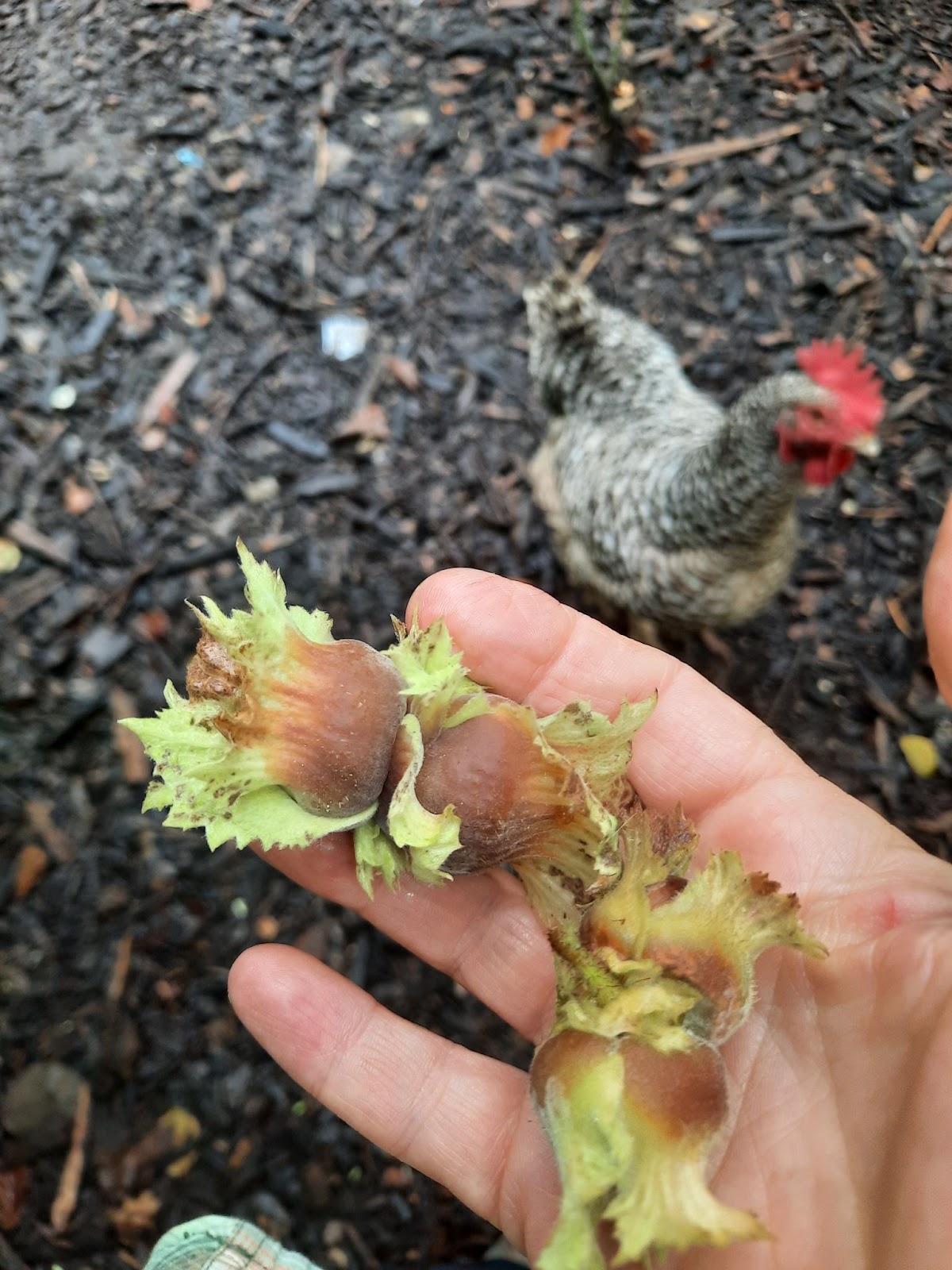
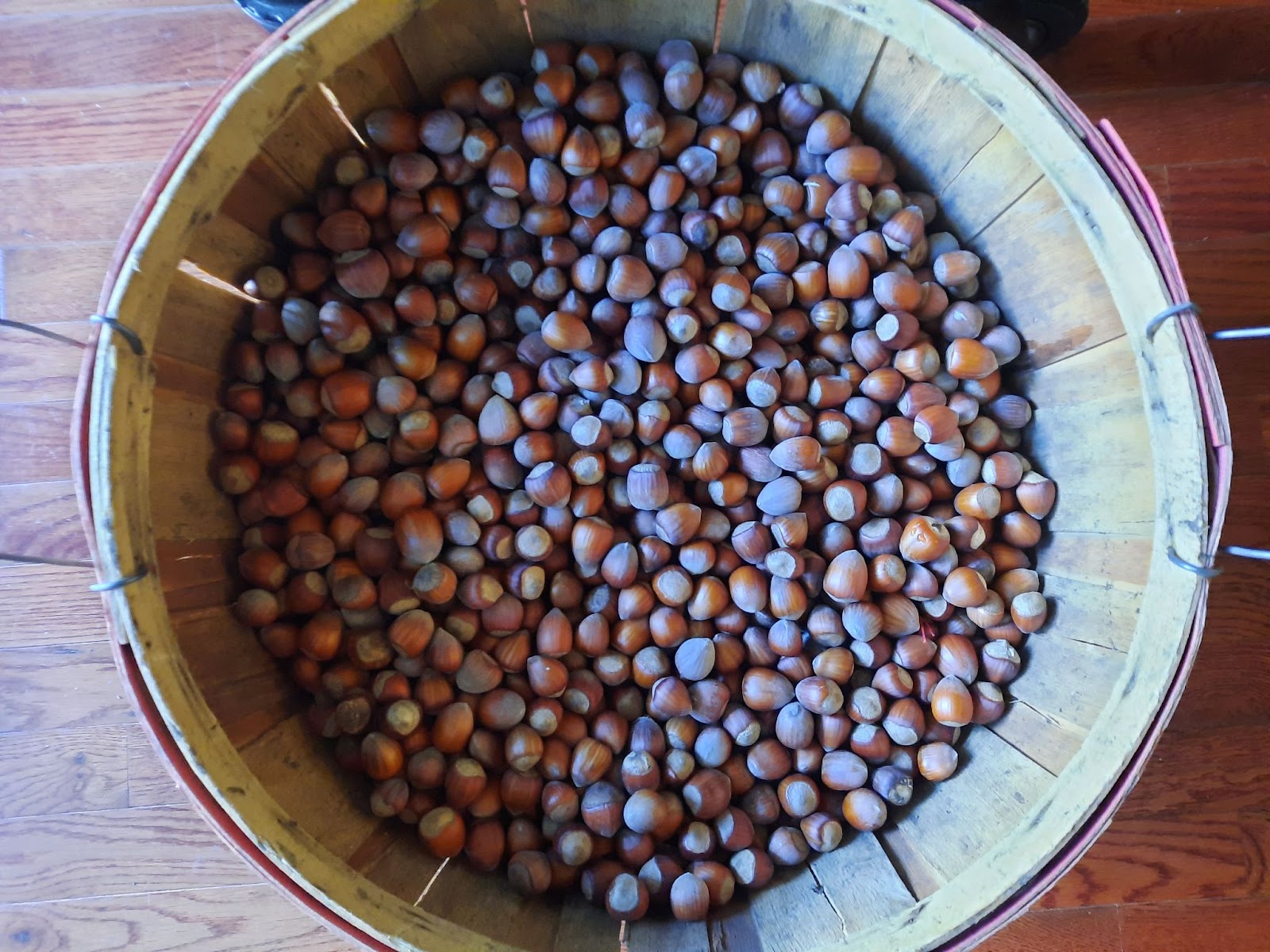
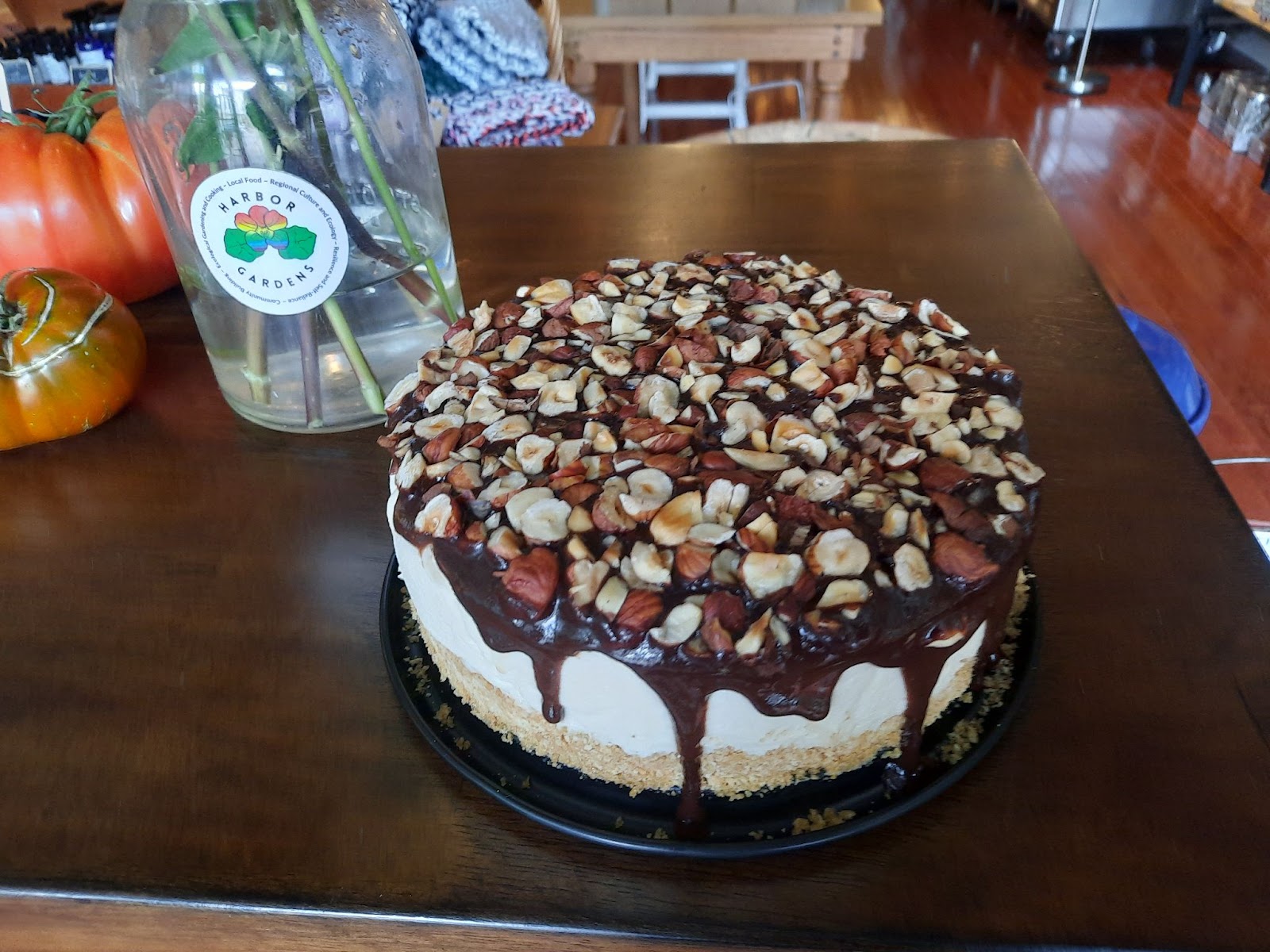
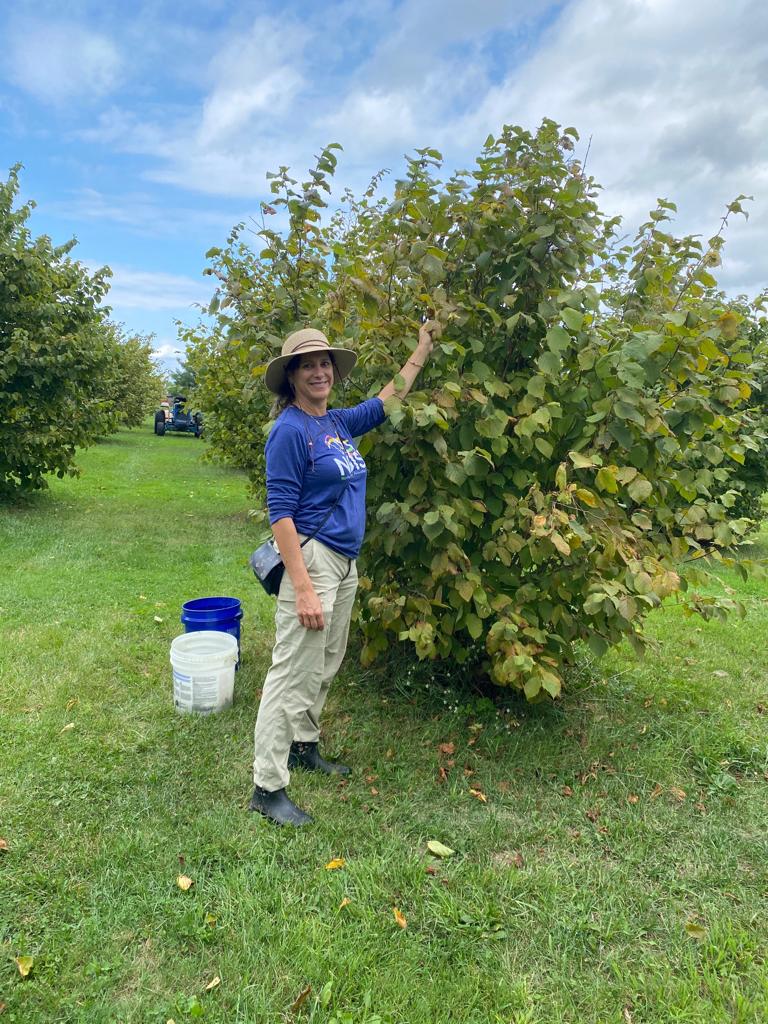
Kareen of Newcomb Nut Farm (NNF) in Middlefield, OH (photo submitted by NNF)
written by Gallo, taken from North Coast Voice October 2022
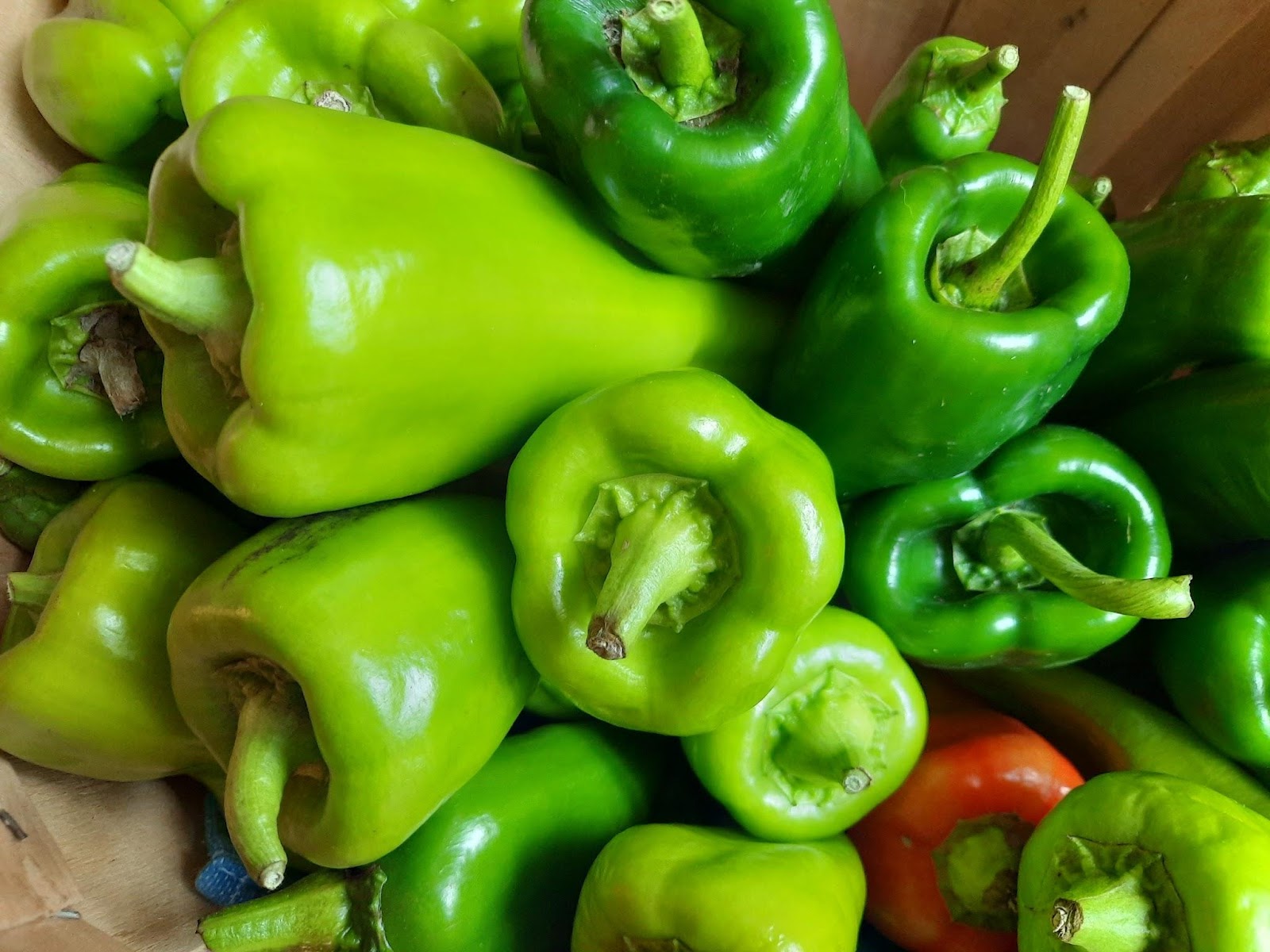
The hot, slightly spicy, colorful crock of warming chile is the quintessential NorthEast Ohio (NEO) staple that makes for a cozy treat on any crisp autumn day! There was a time when some folks attempted to convince me that chile is just meat, beans, a few spices and tomatoes. And in our southern sister-city of Cincinnati they will eat theirs with meat and tomatoes and add the beans on request. However, for those who grow, know it is the joy of colorful chiles in various sizes, shapes and hues of red, yellow and orange that make this pot most delicious, honored and revered! A salute to the chile pepper – the spicy, tasty, lively, born-of-the-Americas plant that is now grown on every continent and celebrated in nearly every country in the world.
Naming: All chiles – the 25 wild and of those, 5 domesticated, which were around since humans arrived in the Americas between 15,000 and 25,000 years ago – belong to the genus Capsicum. As a tribute to the location, Christopher Columbus “discovered” and mistakenly named the chile, with its spicy kick, and which reminded him of the black pepper, chile peppers. Chiles were the major spice of the New World, and El Capitan Gonzalo de Oviedo noted, “Indians everywhere grow it…because they eat it continuously with almost all of their food.” It continues to intrigue and enhance all dishes it graces, now globally integrated into most cuisines.
Health benefits: what fruit or vegetable has the most vitamin C? Just when you thought you need to move to Florida for some citrusy vitamin C… the sweet bell pepper rules this category and it is safe to stay! Capsaicin, the crystalline alkaloid that causes the heat in chile pepper, has also been used to treat pain, prevent cancer, improve blood circulation and decrease build-up in the arteries making them heart healthier.
How to eat, prepare, enjoy, preserve: Chile, the one pot meal, is just the beginning, or, in this case, the middle! This year, try lightly pan-frying, in a cast-iron, shishitos with a bit of olive oil and salt and pepper as an appetizer. Stuffed peppers come in a variety of nuanced dishes like the classic Eastern European dish to the Chile Rellenos. Fermented chile pepper sauce, fresh pepper sauces like harissa and berbere paste, chutneys, curries, nuac cham sauce will make any meal better, brighter, more satisfying and all feature the chile. For dessert hot cocoa with chile (Xocolatl) or a spicy Scott bonnet marmalade and fresh Chevre. The spice may just act as a digestive. Best ways to preserve include freezing, canning, drying and fermenting.
Where to get yours: chiles grow especially well in NEO as evidenced by the abundance found at farmer’s markets and even some chain grocery stores sell this local staple. There is a list of farmers’ markets following this article and several weeks left in the season. It’s not too late to get yours.
For fun: next time you make a batch of chile, start with as many various chile peppers as you can…make it a feast and a celebration of autumn color!
For more love of peppers: Read Dave DeWitt’s Chile Peppers: A Global History. 2020. University of Mexico Press.
Best Chile Recipe to take off the Autumn Chill and celebrate the color of the leaves
Best ingredients will be locally grown and fresh – Try it!
2 lbs of chiles – mix it up! Poblanos, Serranos, Cubanelles, Scotch bonnets for spicy, bells in purple, green, yellow, orange, red, diced
4 – 6 cayenne chiles
2 ½ cups dry kidney beans (try Ohio-grown), soaked for a few hours or overnight
1 cup tomato juice
1 cup spelt berries
2 Tbsp. olive oil
2 large onions
2 heads garlic
2 carrots
2 celery stock
2 tsp cumin, basil, chili powder, salt black pepper
4 large tomatoes, chopped
Additional toppings: finely minced parsley, green onions, grated cheese
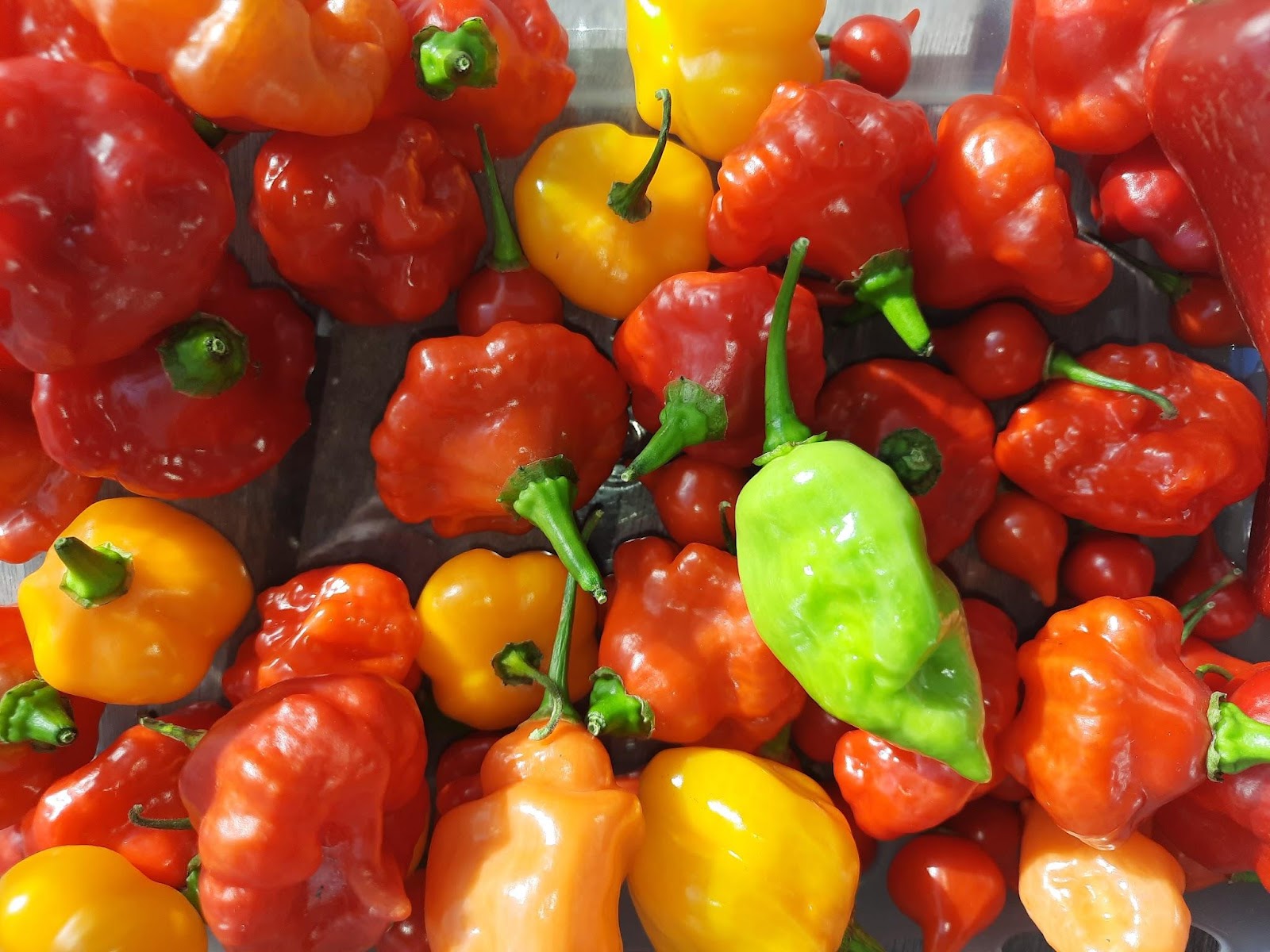
Which of these chiles are hot? While they all look gorgeously spicy, the red St. Croix, orange habanada, small orange Biquinho are on the fruitier side and mild. The yellow Scotch bonnet is the hottest of this bunch! While in season, these specialty chiles can be found at Harbor Gardens in Ashtabula.

Making fermented chile pepper sauce – by the hand of Sarah Brower – 2022. This version includes fresh fruit to round out the taste. Save the seeds for next years’ garden.
Local farmers’ markets near you – how many have you visited? Ask your local farmer about their chiles, what varieties they like to grow, what part of regenerative farming are they engaged and how to purchase a whole bushel for freezing and/or making soup to can:
Tuesdays:
My Neighborhood Project
At ACMC Health Plaza
11-2pm
Thursdays:
Painesville Farmers’ Market
12-4pm
Painesville Square, Painesville, OH
Fridays:
Mentor
2-6pm through Sept 23
Eleanor Garfield Park 7967 Mentor Ave, Mentor, Oh
North Kingsville Community Farmers’ Market
9-1pm
6546 Church St (at N Kingsville Presbyterian Church)
Saturdays:
Conneaut Farmers’ Market
9am – 1pm
Located in the Moose Lodge parking lot at
280 Park Ave, Conneaut, Oh
Geauga Fresh Farmers Market
9am – noon
5205 Chillicothe Road, South Russell, Oh 44022
Geneva Farmers’ Market
9am – 1pm
Hosted by Geneva United Methodist Church (GUMC)
89 S. Broadway, Geneva, Oh
Jefferson Farmers’ Market
9am – 1pm
Located behind the Historical Society,
42 E Jefferson Road, Jefferson, OH
Shaker Square Farmers’ Market
Year – round from 8am – noon
13209 Shaker Square, Cleveland, OH
Willoughby
8am – noon
City Hall Parking Lot; 1 Public Square
Sundays:
Ashtabula Farmers’ Market in Historic District
10am – 2pm
No markets during festival weekends
1105 Bridge Street, Ashtabula Harbor, OH
Photos by T Gallo
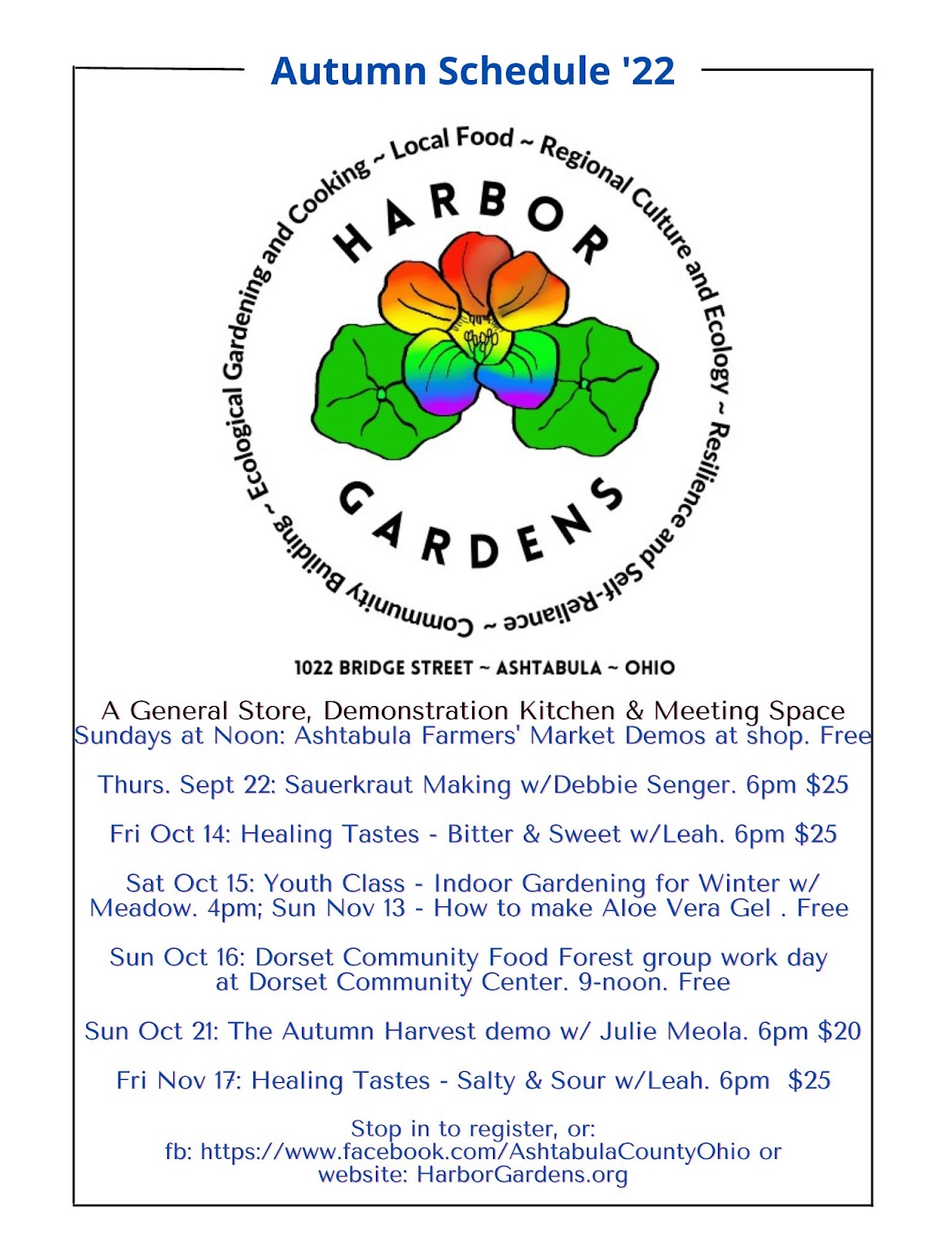
From recent publication in North Coast Voice…
Fairly recently, while sitting down to the dinner table with a local chef friend, Julie, the introduction to this term and the feast of scorpacciata began. Julie spent most of her cooking career in San Diego and grew up in Ashtabula, Oh. Having moved back to NE Ohio, she now shares her talents and taste with the locals. The essence of the word – to eat locally, abundantly and in season resonates with the soul and taste buds. In fact, many would argue that nothing tastes better than an Ohio tomato fresh off the vine!
What is good now? Local food is happening all around you! It is a great time to enjoy your local food grocery, market, or neighborhood veggie stand that sits on a road near your house or destination. Ask around to find the best you-pick farms for fresh blueberries right now. Eat some now and throw some in the freezer for later. Garlic was recently harvested and now ready after curing for a few weeks. Tomatoes are coming on strong with basil, eggplants, onions, peppers, squash coming in right next to them…everything you will need for the recipe of the month. And, like scorpacciata…eat it in abundance! Pairs great with some Ohio-grown corn polenta. For dessert, fresh, sweet corn on the cob or a peach cobbler. We all know Ohio sweet corn is fabulous but did you know Ohio-grown peaches are delicious, too? Local wine, beer and spirits – found in and about the local food scene, make for a fabulous and festive feast.
Watch out – eating so many fresh foods, that are in season, and so tasty, may make you a bit of a food snob. Your taste buds may become accustomed to the bright tones, rich flavor and sweet crunch of local food. You may have to ask, at the next meal you attend, from where are they getting their tomatoes? Or, gasp, you may find yourself growing your own. Then, you can invite your friends to your own scorpacciata…and indulge in the sweet abundance of local and seasonal food!
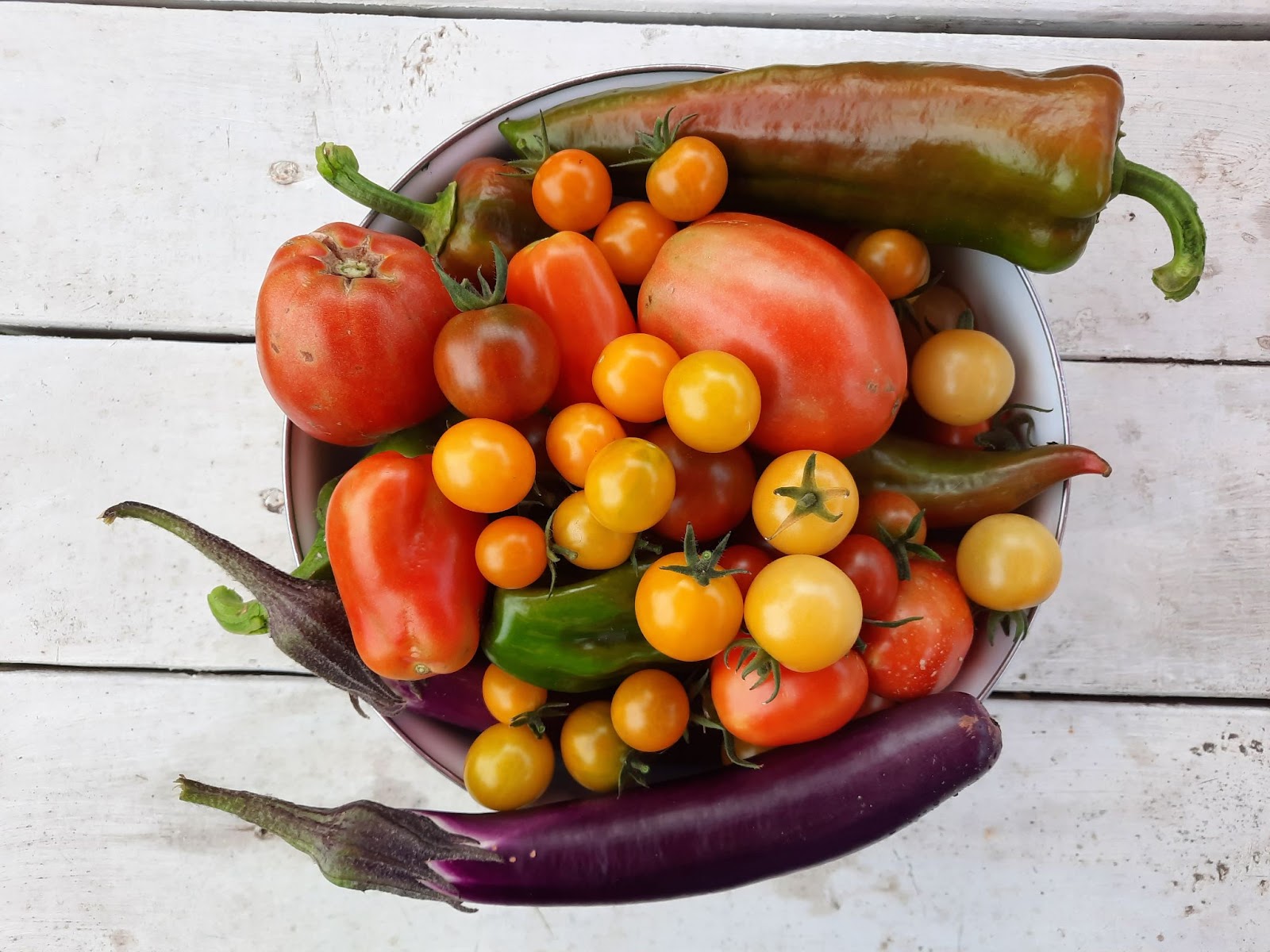
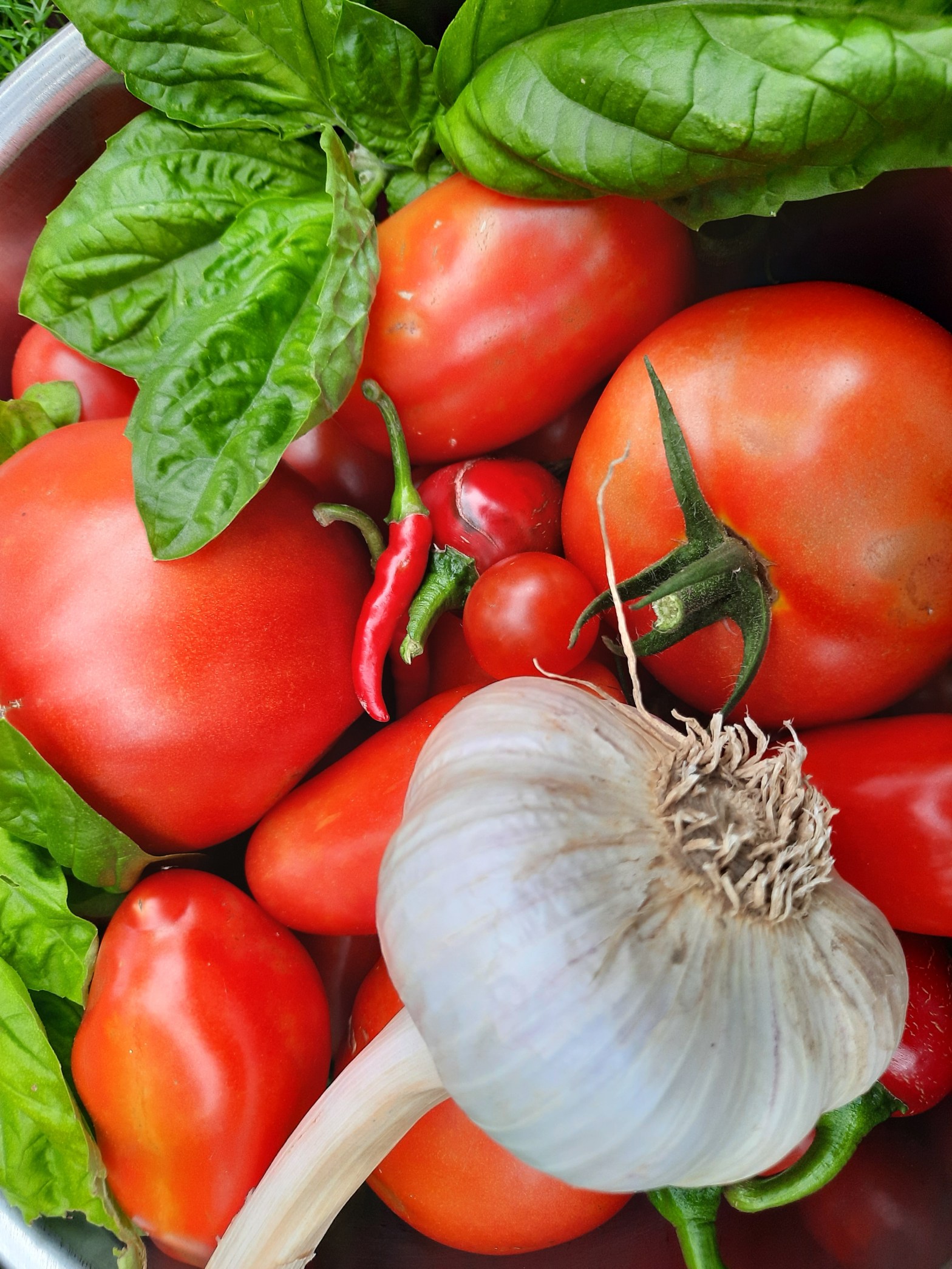
Makings of ratatouille – local foods in abundance – eaten in season – garden scape 2022
Ratatouille – the recipe of Mediterranean Vegetable Stew with NE Ohio local veggies and herbs
For scorpacciata fun – go to the farmers’ market nearest you and procure the veggies for this dish there. Get to know your local farmers and/or try growing some herbs for yourself!
Olive Oil
1 head fresh garlic
2 c. onion – diced
1 medium eggplant or 2 small, long eggplants
1 ½ t. Salt
Handful to a bunch of fresh basil (or, 1 ½ t. dry)
3 Tablespoons of fresh oregano or 1 t. Dry
½ teaspoon of Rosemary
½ teaspoon of Thyme or 1 Tablespoon of fresh Savory
1 medium zucchini
2 medium bell peppers cut – diced
Fresh ground black pepper
4-5 fresh and local tomatoes
1 fresh chili pepper – minced, or,
Optional – freshly minced parsley
Join us, with Julie Meola, for a demonstration of Scorpacciata! at Harbor Gardens on Friday, August 12th at 6pm. Register here!
Hi, Friends and Neighbors!
We hope you enjoyed a long winter’s rest (two years, in fact). It’s feeling like spring….growth is all around us and babies are hatching in the pods and in the tree nests.
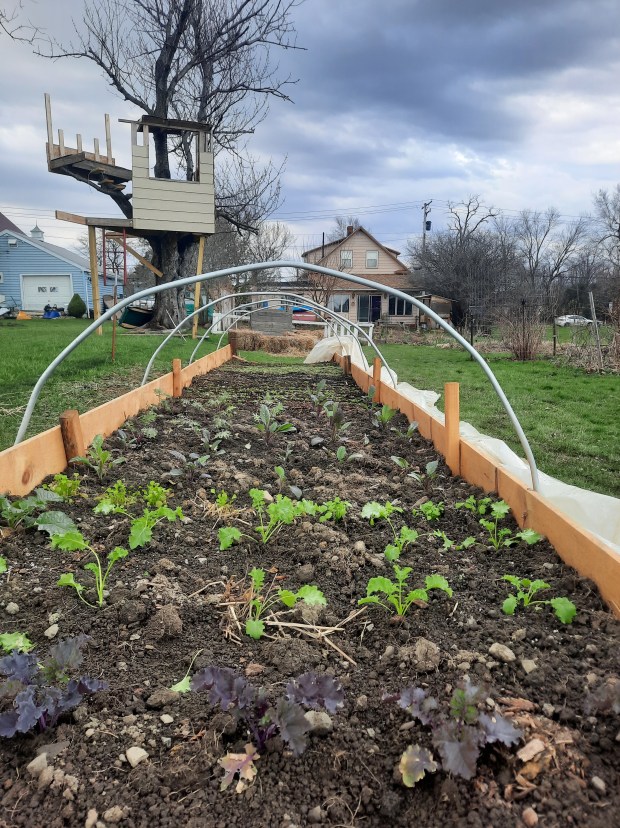

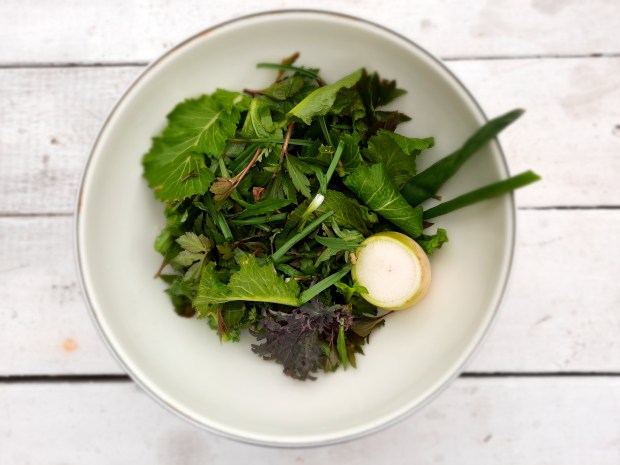
Folks have been requesting a class schedule…here it is for May…let’s enjoy some of it together!
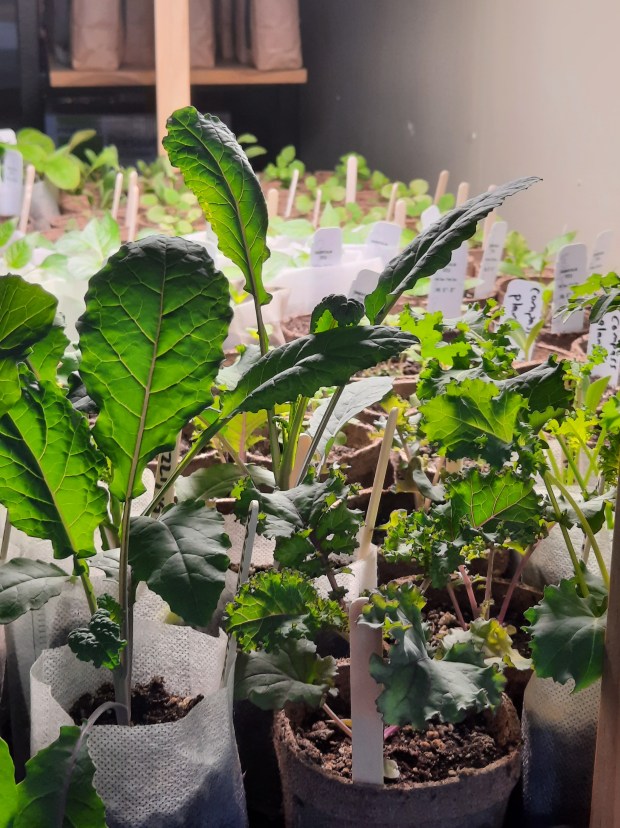
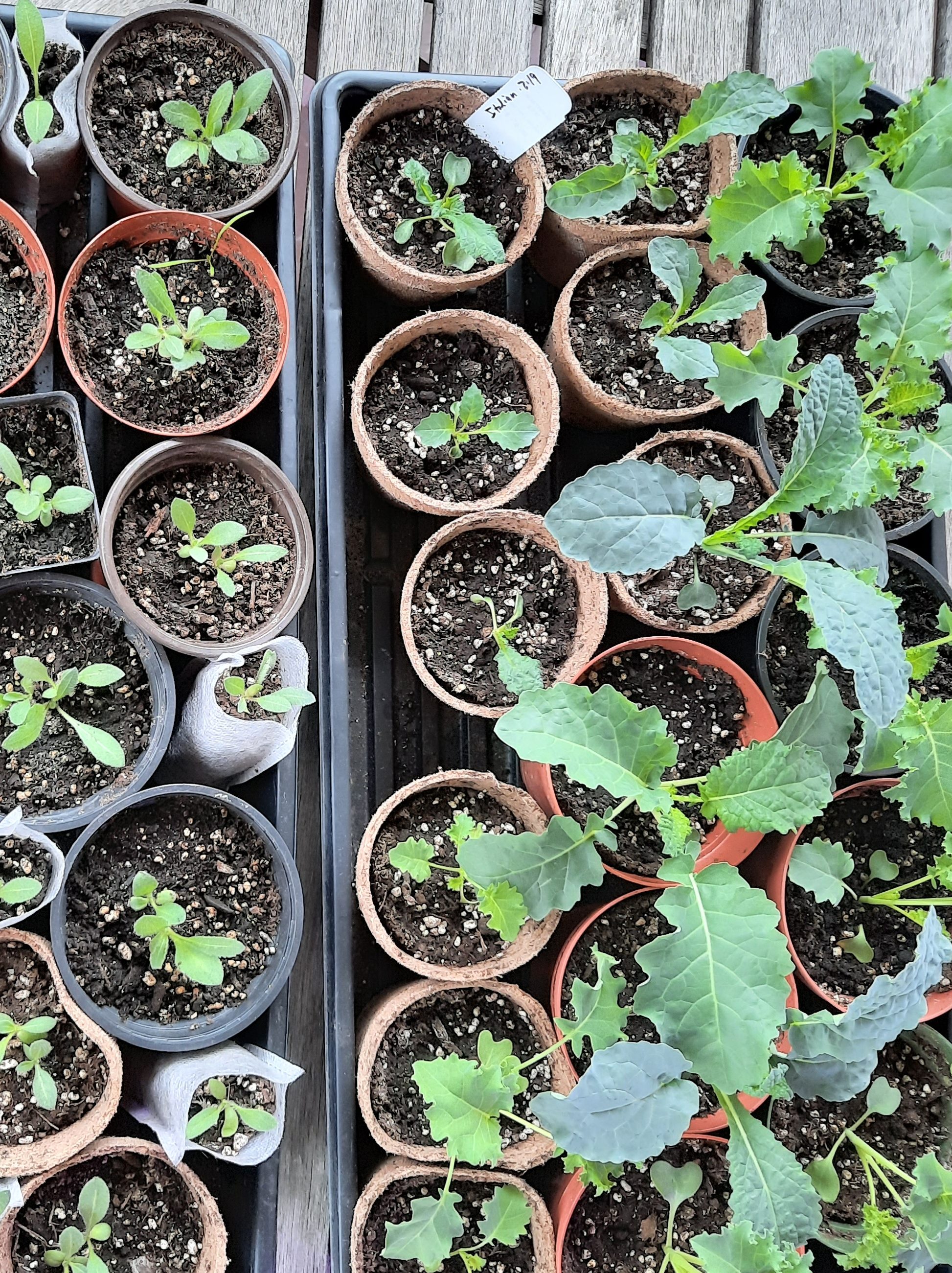
The seed starts on their way: Kale, salad burnet, florist’s blue balloon flower, anise hissup, biquinho pepper, butterfly milkweed, Canterbury bells, compass plant, Eastern Columbine, green shiso, Malabar spinach and perennial beans!
Saturdays starting April 16th
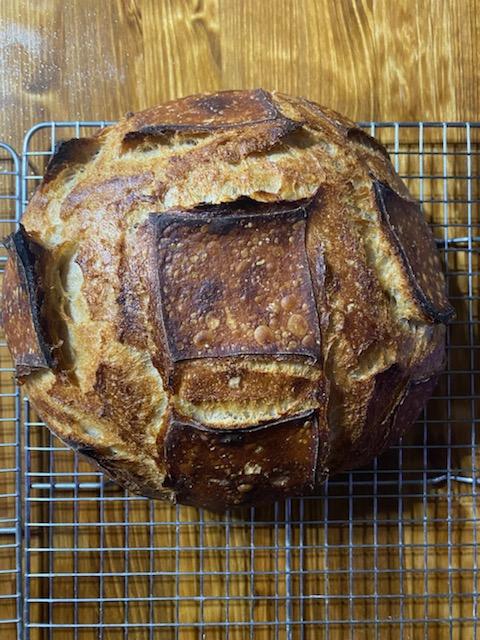
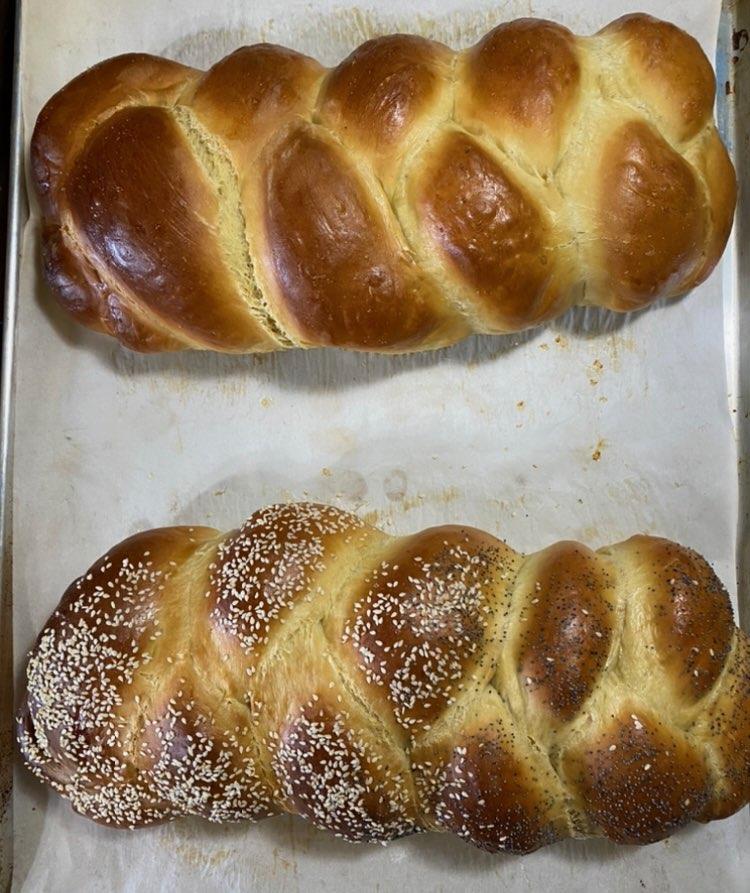
Sour dough! We will also have some loaves of Challah for the holiday! Can you hear French toast in your Easter future? Bread from the home kitchen of Alan at Flannel Dog Farm.

Saturday, April 23 at ACPL 11-2pm
Seed swap and inspiration for the new growing season! Join us and some friends at the Ashtabula County Public Library. This is a free event!
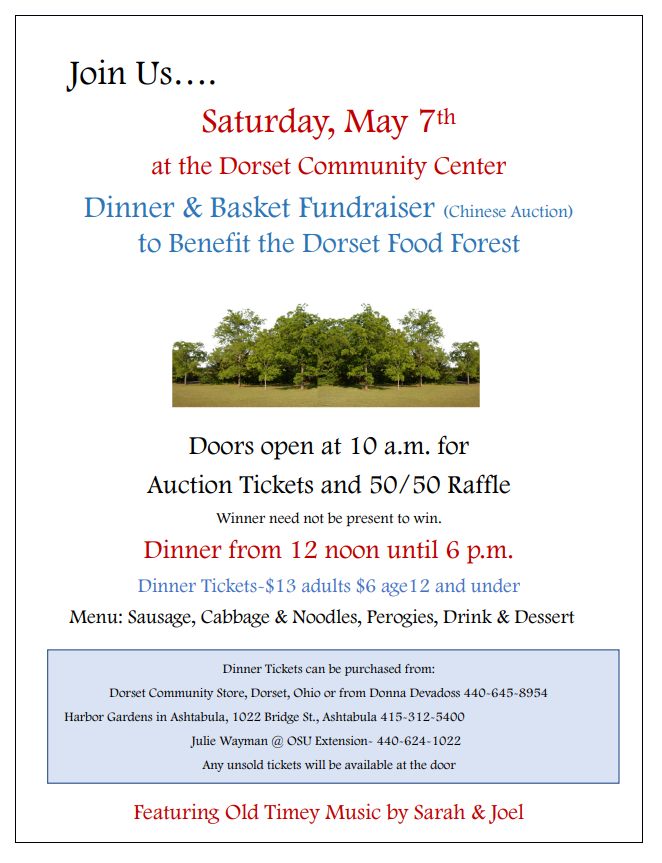
May 7th 12 – 6pm
Dorset Community Food Forest Fundraiser. Food, baskets to be raffled, solidarity, Fun! $13.00 per person – and can be purchased at Harbor Gardens, Dorset Community Store, from Donna Devadoss or Julie Wayman Ashtabula County Local Food Coordinator
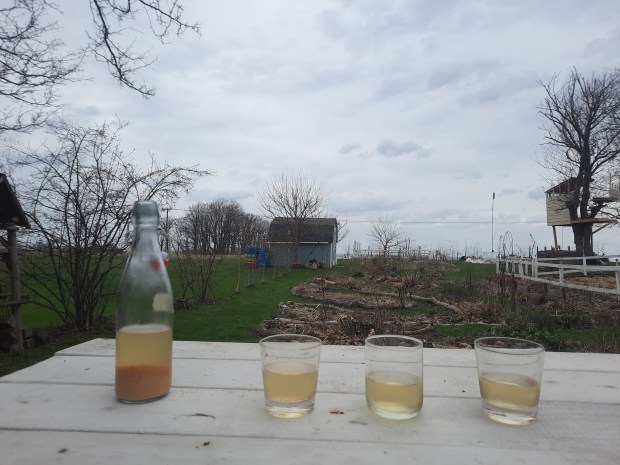
Monday, May 9 – 6pm How to Make Dandelion Wine with Gallo
For the novice, how to make use of the “weeds” in your back yard! We will have fun discussing the many uses of dandelions and basic fermenting.
Cost of $20.00 includes skills, knowledge, tasting and yeast for making some at home!
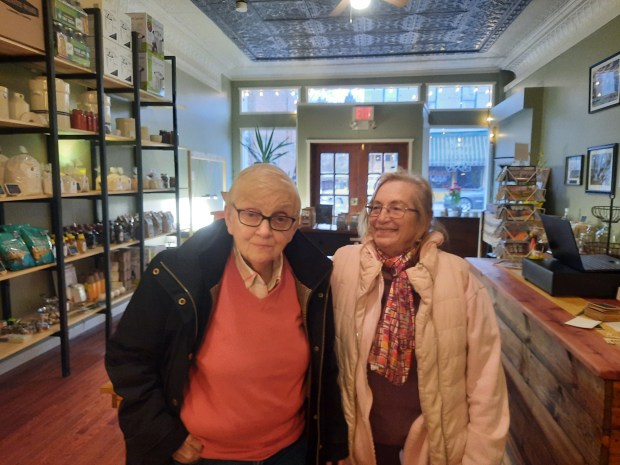
Friday Nights in May with Local Authors! 6pm and Free
May 13: Donna Devadoss reading from her book, “Who Lives in the Apple Tree Guild: A Look Inside the Permaculture Orchard.”
May 20: Dr. Nancy Rung, “Footprints from a Cross-Eyed Monkey.”
May 27: Dr. Shanon Sterringer, “Forbidden Grace,” the journey of two women separated by centuries and bound by similar philosophy and passion.
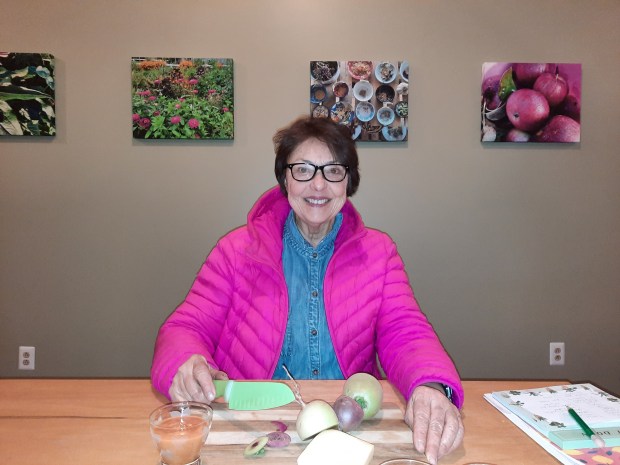
Thursday, May 19th
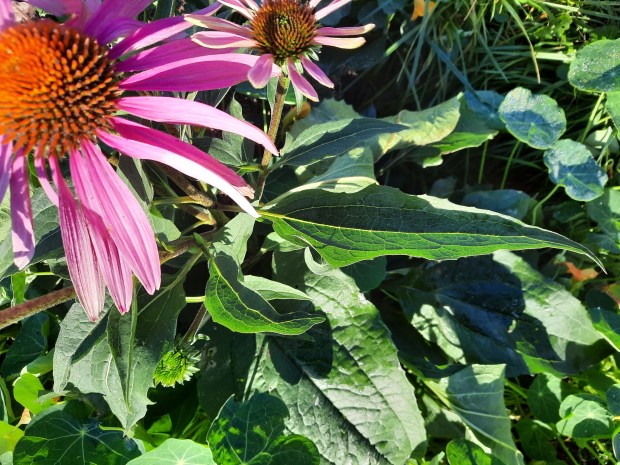
Beans and Greens with Julie Meola
Demonstration kitchen will be open for food fun with Julie! This time this celebrated chef will show us what to do with local greens at this time and make up some organic beans and corn bread (grown in Ohio, of course). $20.00 class fee – tastings included! Meet at 6pm.
Saturday, May 21st
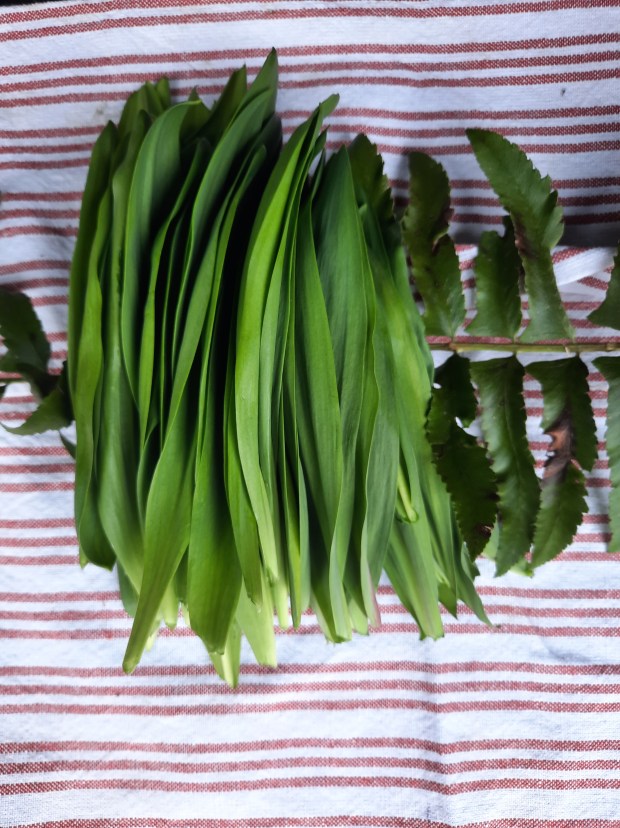
Plant walk and early edibles with John of Red Beet Row
John Wright of Red Beet Row, a local agroecology educational farm, will engage you – the walker – in a delightful jaunt around Ashtabula Harbor and identify much to do about plants and local and local foraging! On return, delight in some tastings of local edibles! $20.00 class fee – tastings and walking included! Meet at Harbor Gardens at 1pm.
Thursday, May 26
Road Map to Local Food with Julie, Ashtabula Local Food Coordinator
Have some fun food trivia!
5pm at Harbor Gardens – Free event!
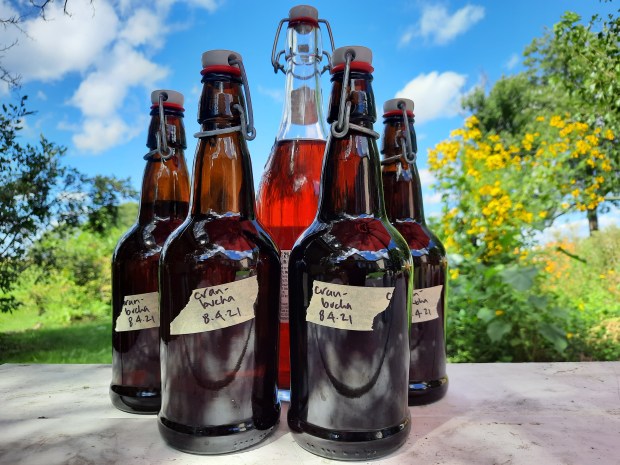
Monday, June 6, How to make Kombucha with Gallo
Class will be led by Gallo. You will receive instruction, demo, AND a mother to take home (please bring your own glass container). If you need the equipment for making kombucha at home (one gallon glass jar, muslin clothe) please bring $10.00 to class and we will hook you up. Thank you – We look forward to having some fun with kombucha with you!
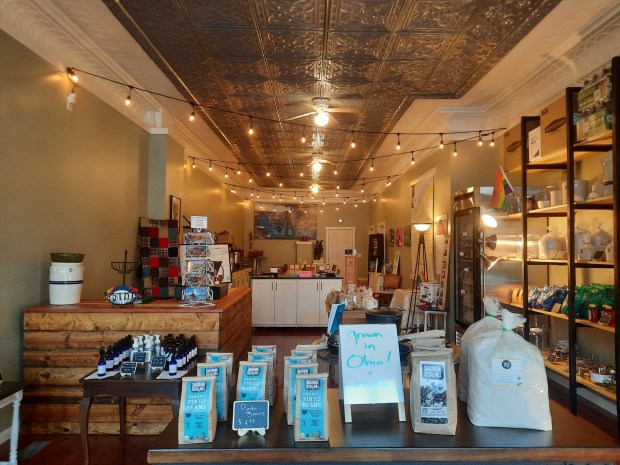
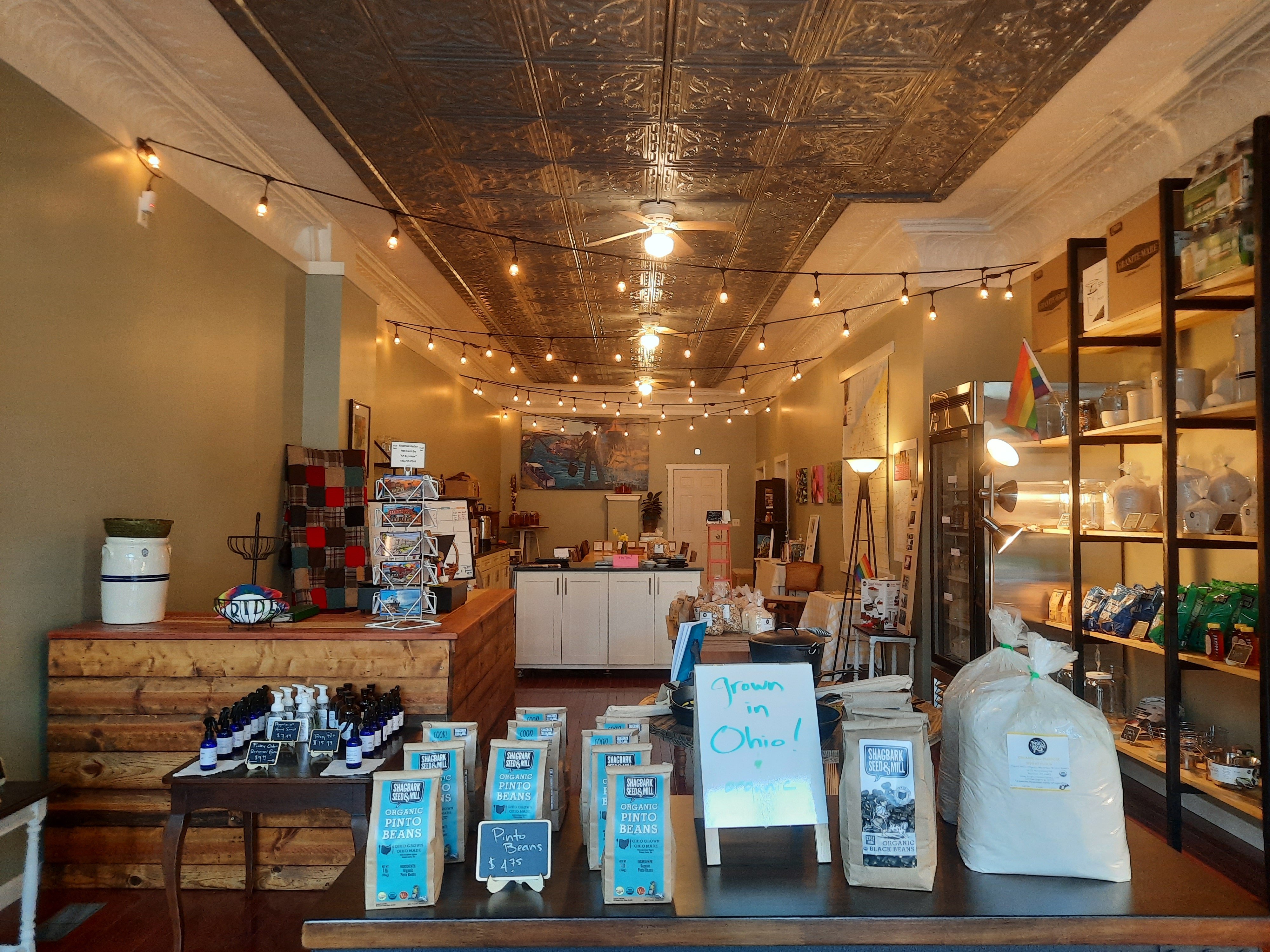
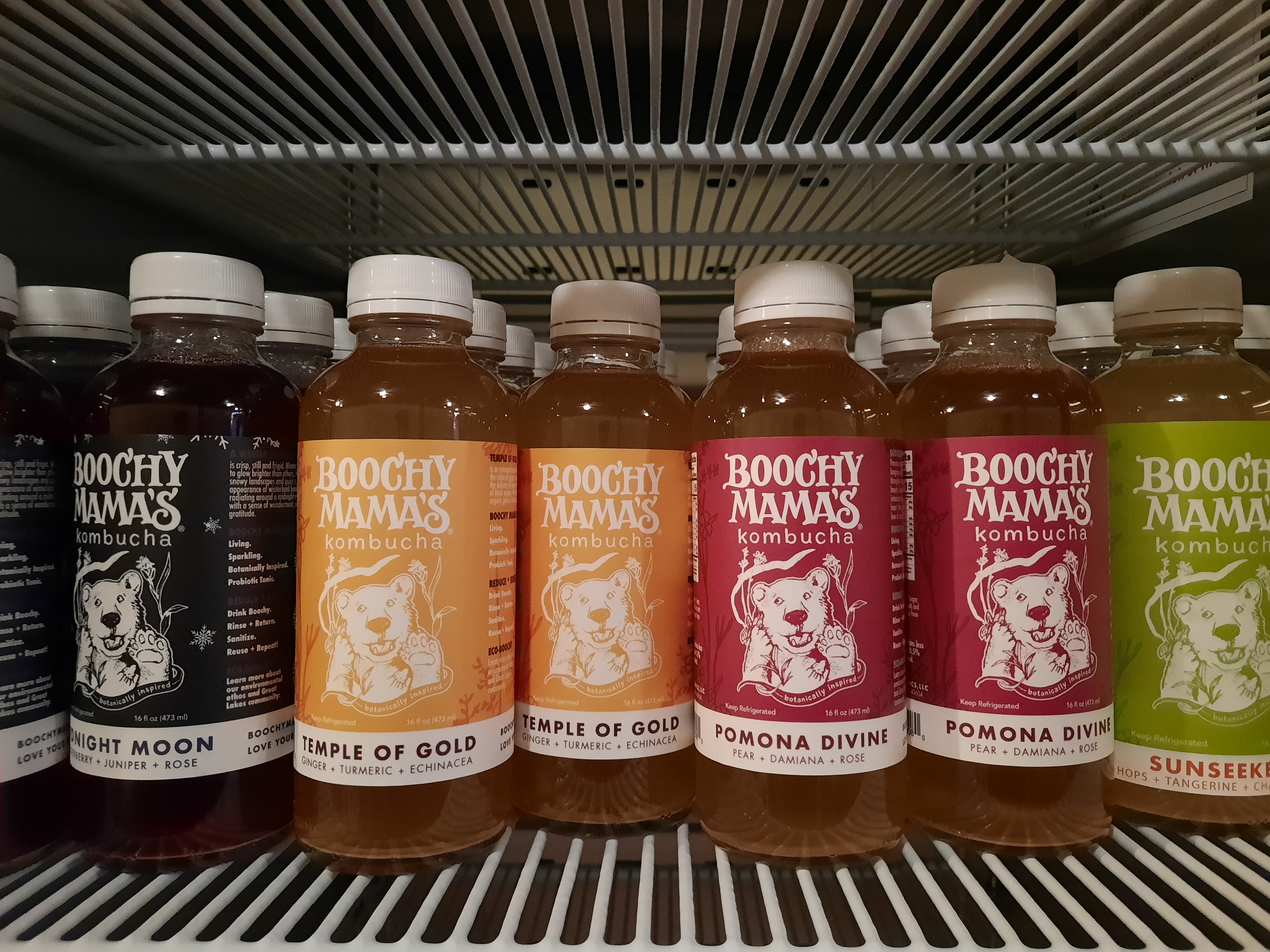
The general store is open on Bridge Street and ready to serve you – Ohio-grown organic corn meal, spelt/whole wheat/buckwheat flours, beans, tortillas and kombucha. We also carry Lodge cast iron cookware, pressure and water bath canners, glass jars, fermenting crocks, air locks and yeasts.
Additionally: art work by Julene Schwarz and organic bath and body products made locally by Red Beet Row’s Steph Blessing and Stacy Bryan of As Nature Intended.
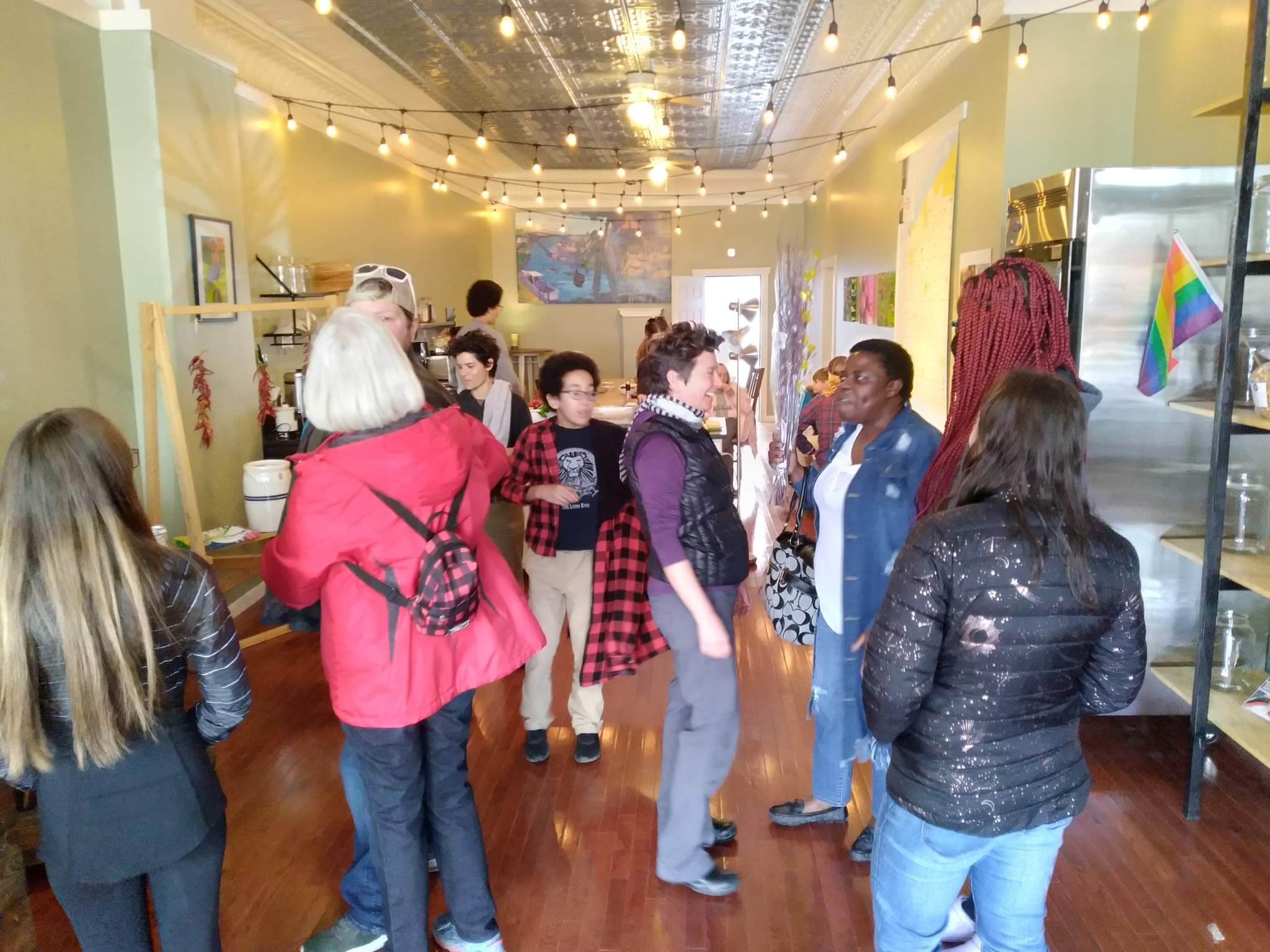
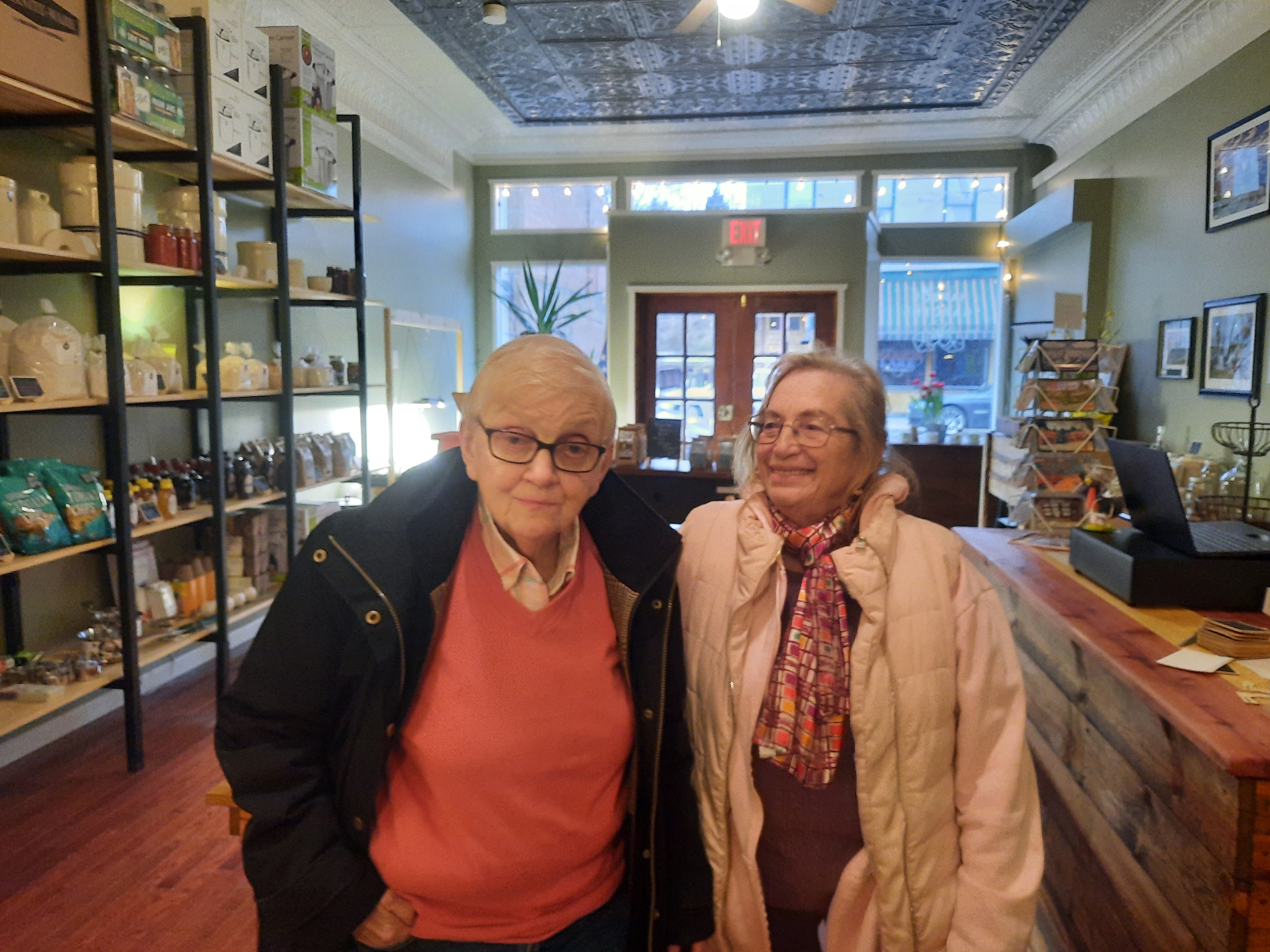
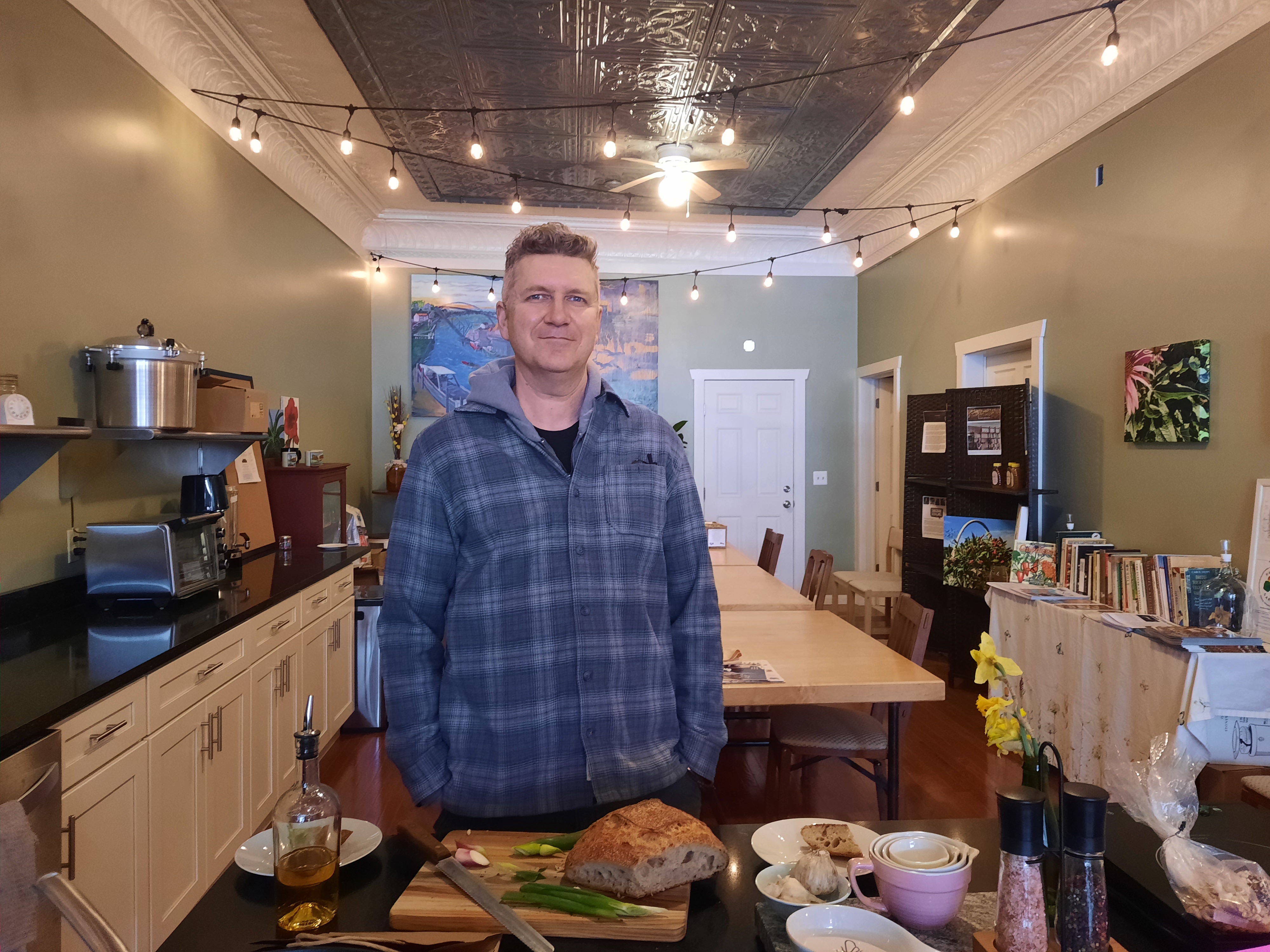
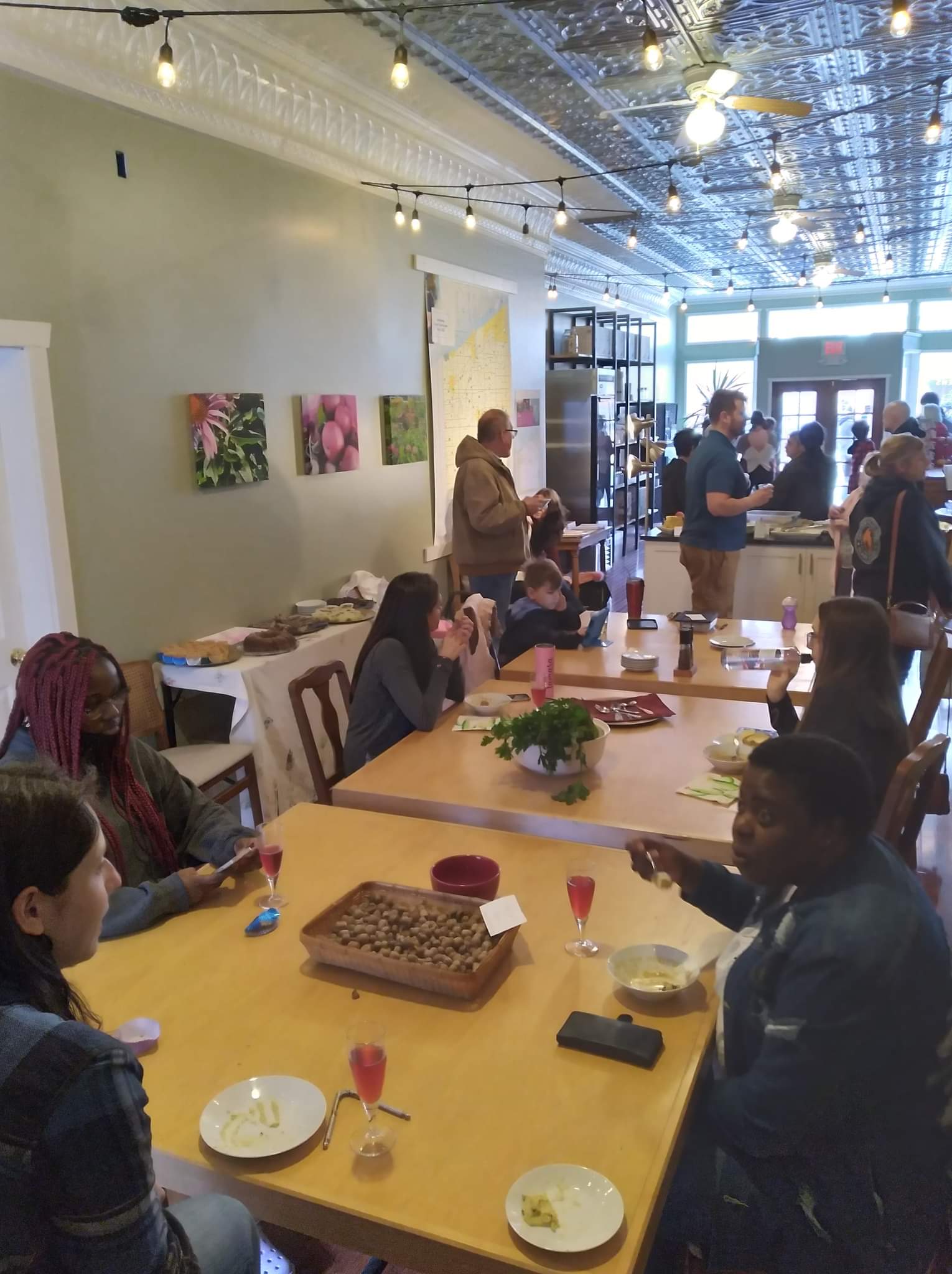
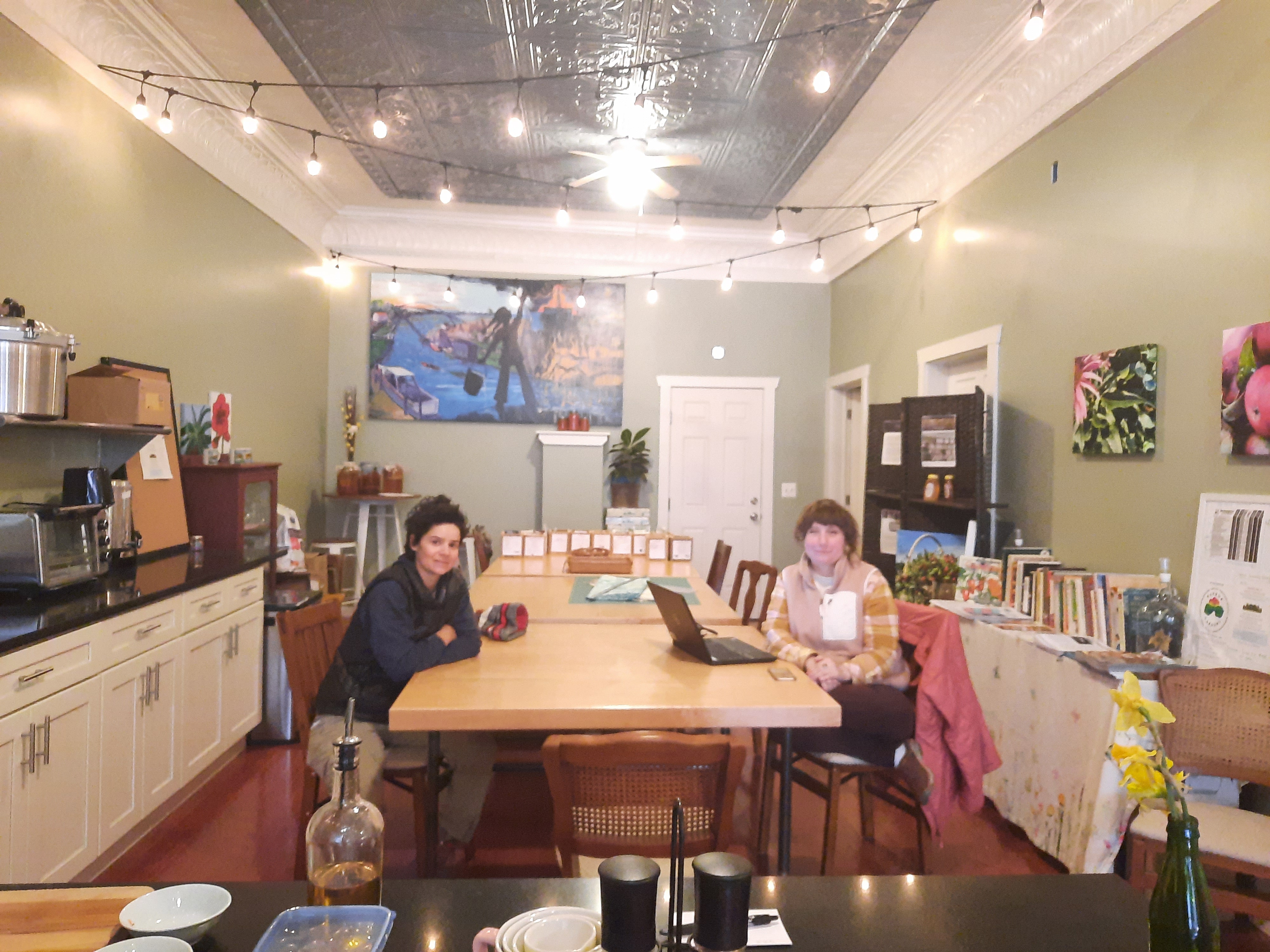
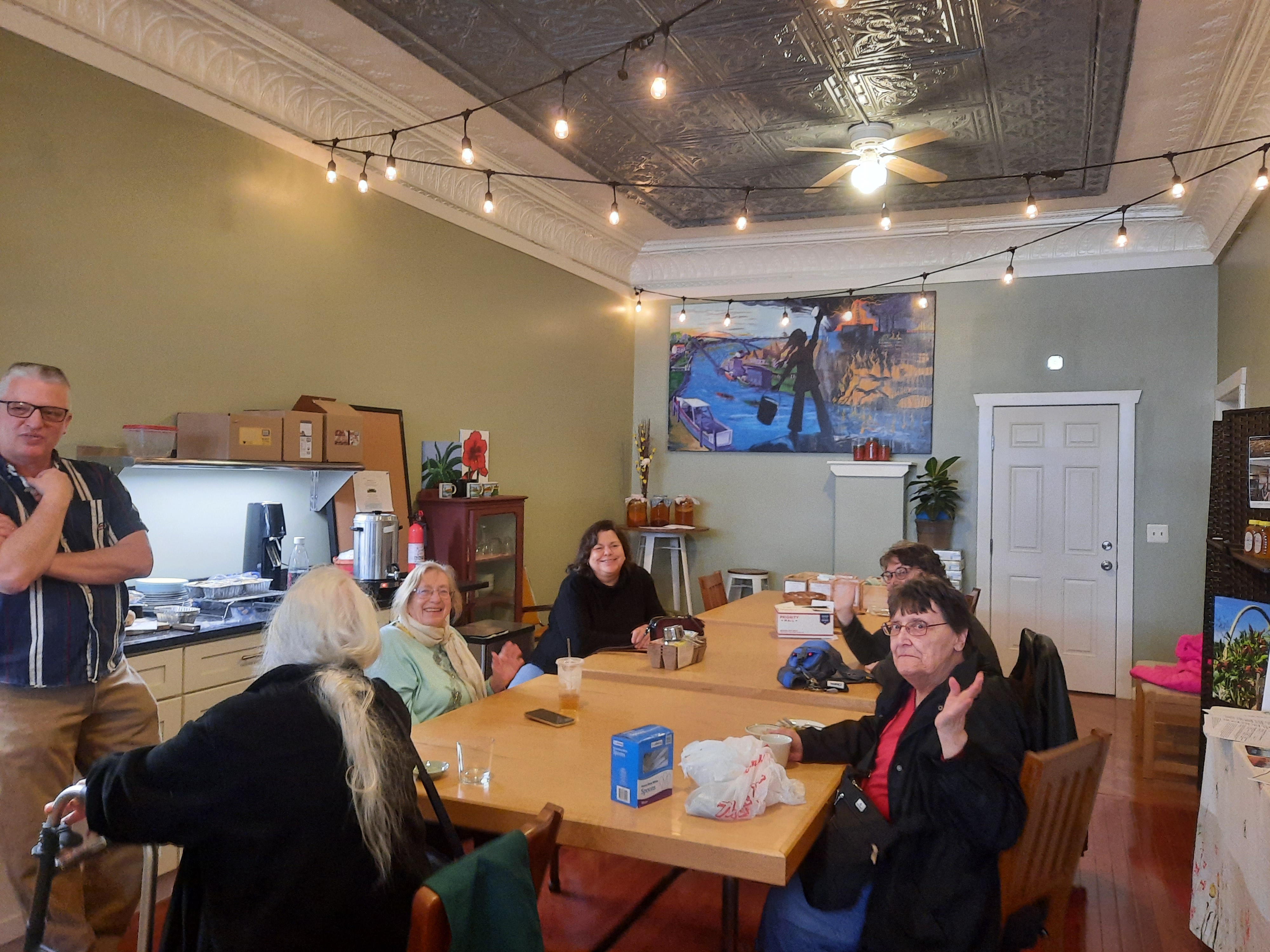
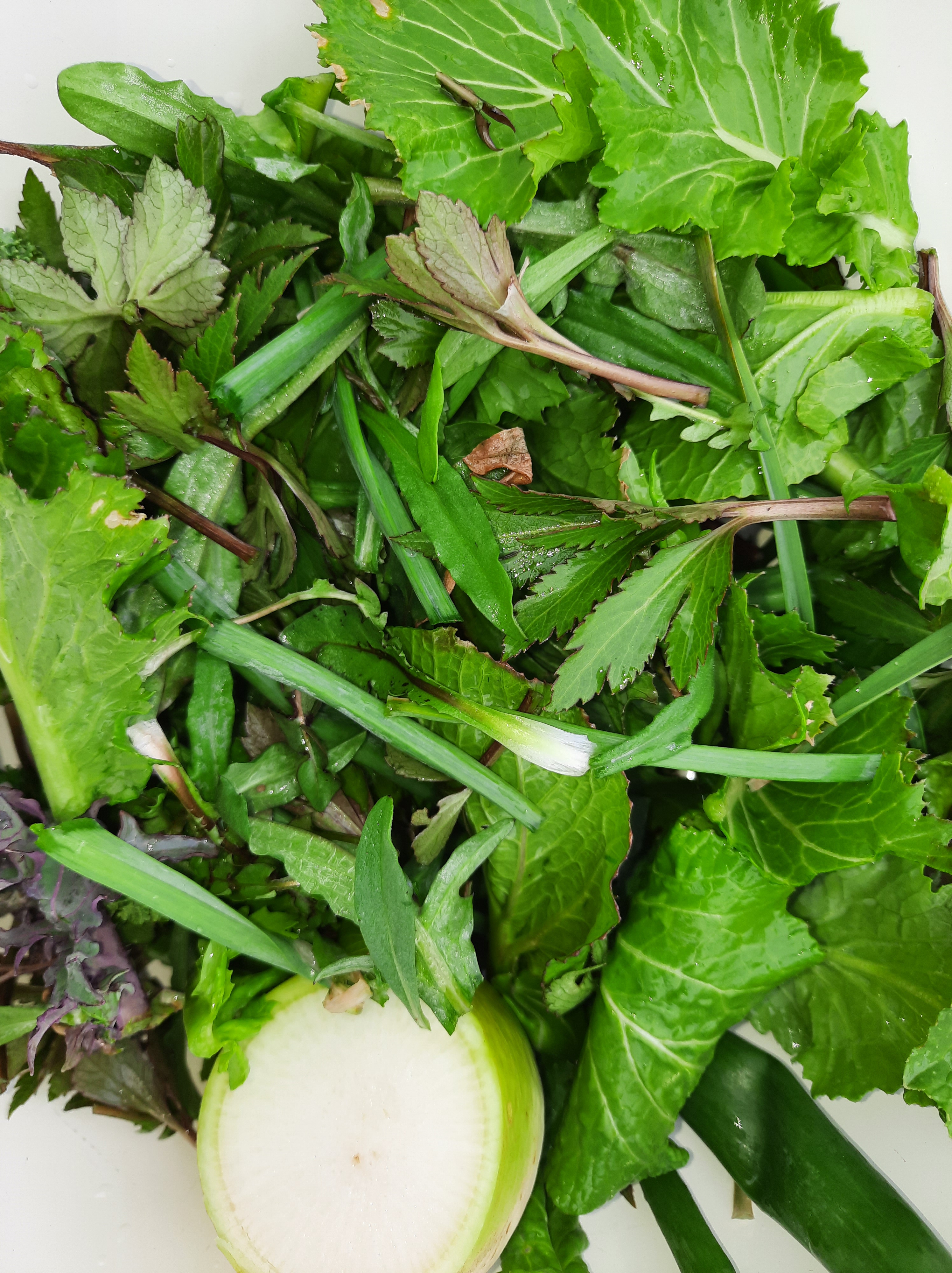
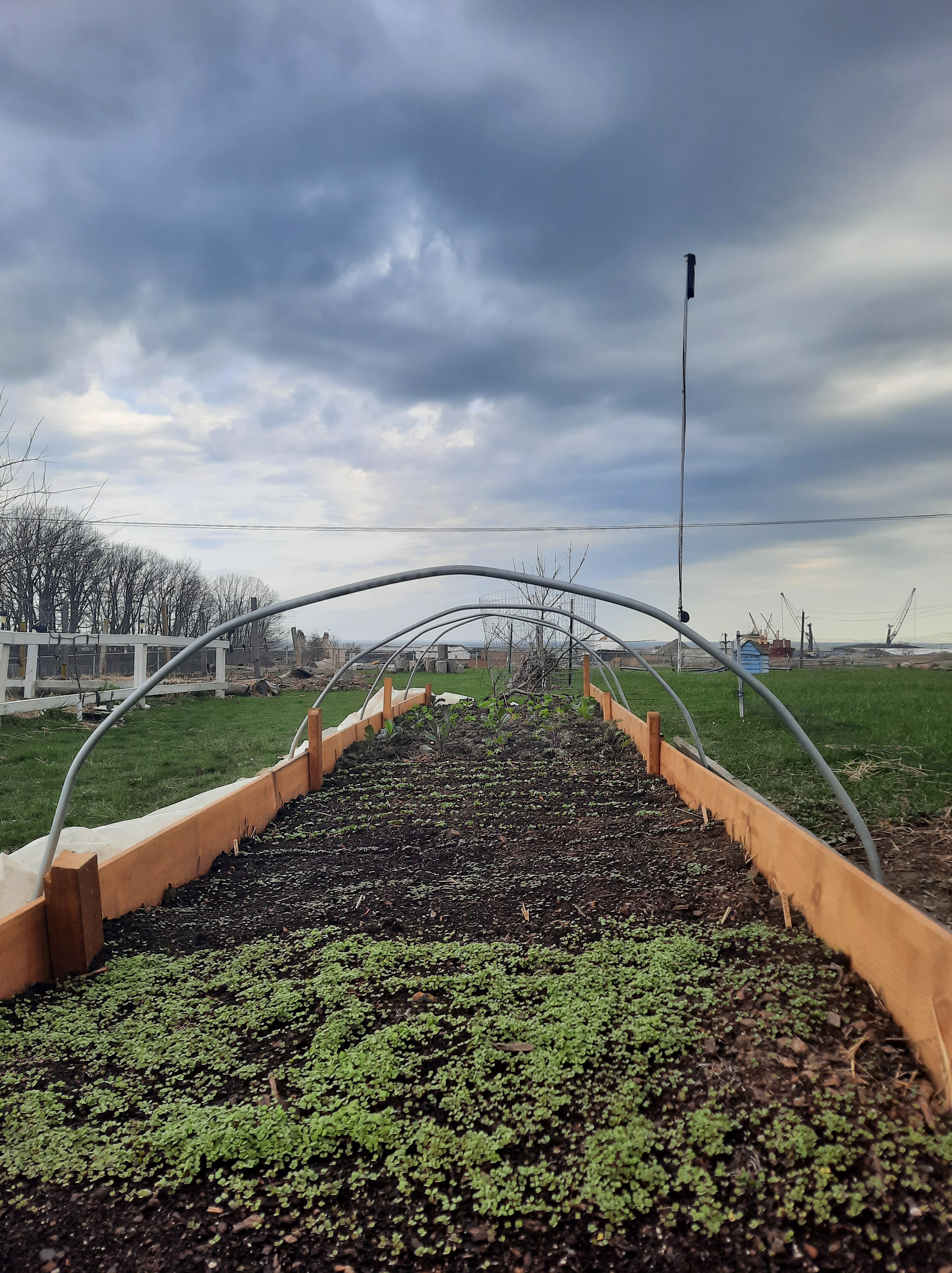
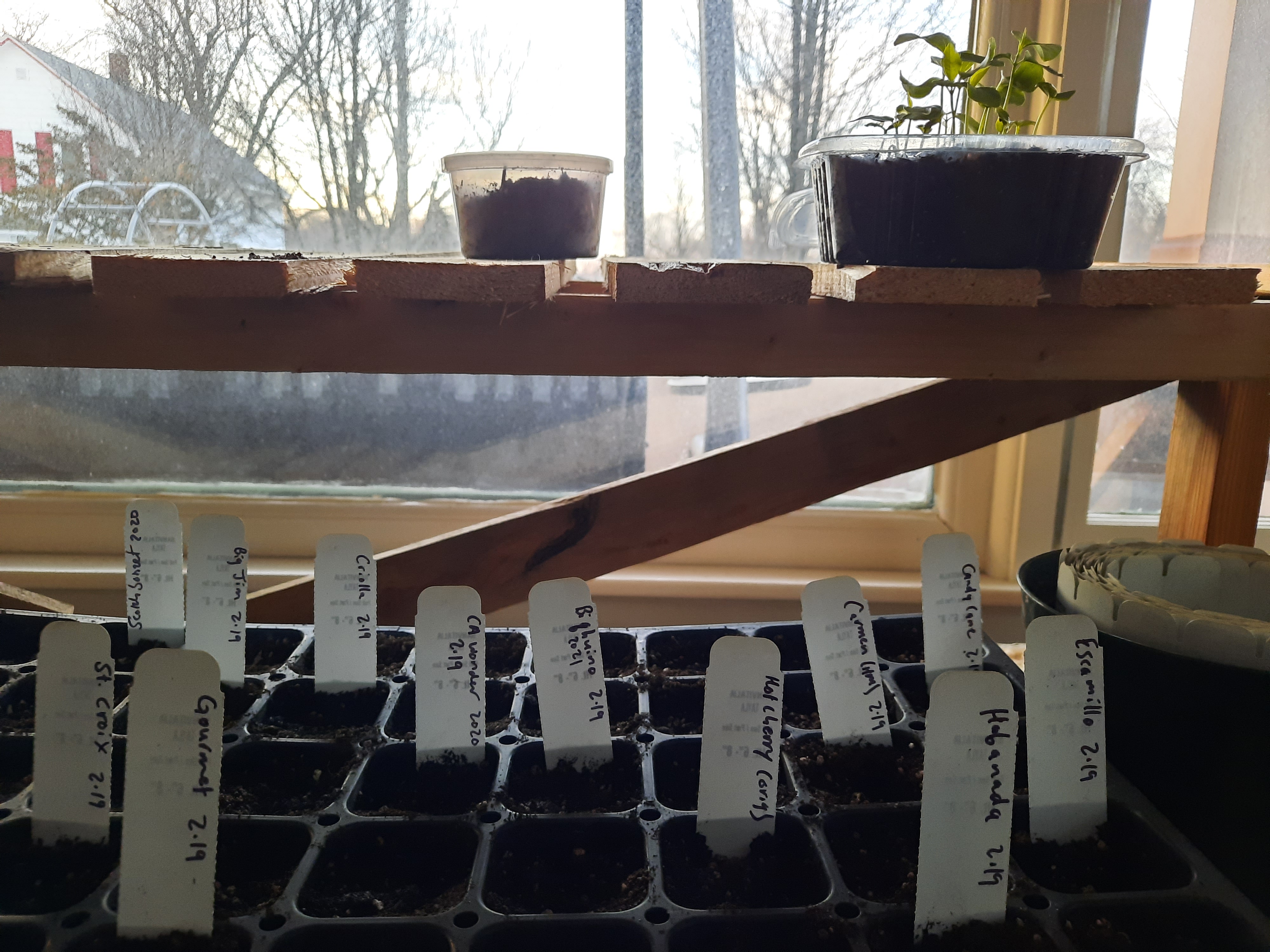
A few photos from April 2022:

Email us at HarborGardens21@gmail.com
Hi, Friends and Neighbors!
We hope you enjoyed a long winter’s rest (two years, in fact). It’s feeling like spring….growth is all around us and babies are hatching in the pods and in the tree nests.
Folks have been requesting a class schedule…here it is for May…let’s enjoy some of it together!
The seed starts on their way: Kale, salad burnet, florist’s blue balloon flower, anise hissup, biquinho pepper, butterfly milkweed, Canterbury bells, compass plant, Eastern Columbine, green shiso, Malabar spinach and perennial beans!
Saturdays starting April 16th
Sour dough! We will also have some loaves of Challah for the holiday! Can you hear French toast in your Easter future? Bread from the home kitchen of Alan at Flannel Dog Farm.
Saturday, April 23 at ACPL 11-2pm
Seed swap and inspiration for the new growing season! Join us and some friends at the Ashtabula County Public Library. This is a free event!
May 7th 12 – 6pm
Dorset Community Food Forest Fundraiser. Food, baskets to be raffled, solidarity, Fun! $13.00 per person – and can be purchased at Harbor Gardens, Dorset Community Store, from Donna Devadoss or Julie Wayman Ashtabula County Local Food Coordinator
Monday, May 9 – 6pm How to Make Dandelion Wine with Gallo
For the novice, how to make use of the “weeds” in your back yard! We will have fun discussing the many uses of dandelions and basic fermenting.
Cost of $20.00 includes skills, knowledge, tasting and yeast for making some at home!
Friday Nights in May with Local Authors! 6pm and Free
May 13: Donna Devadoss reading from her book, “Who Lives in the Apple Tree Guild: A Look Inside the Permaculture Orchard.”
May 20: Dr. Nancy Rung, “Footprints from a Cross-Eyed Monkey.”
May 27: Dr. Shanon Sterringer, “Forbidden Grace,” the journey of two women separated by centuries and bound by similar philosophy and passion.
Thursday, May 19th
Beans and Greens with Julie Meola
Demonstration kitchen will be open for food fun with Julie! This time this celebrated chef will show us what to do with local greens at this time and make up some organic beans and corn bread (grown in Ohio, of course). $20.00 class fee – tastings included! Meet at 6pm.
Saturday, May 21st
Plant walk and early edibles with John of Red Beet Row
John Wright of Red Beet Row, a local agroecology educational farm, will engage you – the walker – in a delightful jaunt around Ashtabula Harbor and identify much to do about plants and local and local foraging! On return, delight in some tastings of local edibles! $20.00 class fee – tastings and walking included! Meet at Harbor Gardens at 1pm.
Thursday, May 26
Road Map to Local Food with Julie, Ashtabula Local Food Coordinator
Have some fun food trivia!
5pm at Harbor Gardens – Free event!
Monday, June 6, How to make Kombucha with Gallo
Class will be led by Gallo. You will receive instruction, demo, AND a mother to take home (please bring your own glass container). If you need the equipment for making kombucha at home (one gallon glass jar, muslin clothe) please bring $10.00 to class and we will hook you up. Thank you – We look forward to having some fun with kombucha with you!
The general store is open on Bridge Street and ready to serve you – Ohio-grown organic corn meal, spelt/whole wheat/buckwheat flours, beans, tortillas and kombucha. We also carry Lodge cast iron cookware, pressure and water bath canners, glass jars, fermenting crocks, air locks and yeasts.
Additionally: art work by Julene Schwarz and organic bath and body products made locally by Red Beet Row’s Steph Blessing and Stacy Bryan of As Nature Intended.
A few photos from April 2022:
Email us at HarborGardens21@gmail.com
Harbor Gardens – 1022 Bridge Street – Ashtabula – OH – 44004
Be on the lookout for all-things (especially food) from Ashtabula County. We will be opening up the demonstration kitchen for locally-grown vittles and classes on how you can do it, too! For example – we will be having a sweet and spicy pepper class, fermenting class and canning class this fall. You will be able to sign-up and register in person or on-line.
We look forward to seeing you soon!
This is an example post, originally published as part of Blogging University. Enroll in one of our ten programs, and start your blog right.
You’re going to publish a post today. Don’t worry about how your blog looks. Don’t worry if you haven’t given it a name yet, or you’re feeling overwhelmed. Just click the “New Post” button, and tell us why you’re here.
Why do this?
The post can be short or long, a personal intro to your life or a bloggy mission statement, a manifesto for the future or a simple outline of your the types of things you hope to publish.
To help you get started, here are a few questions:
You’re not locked into any of this; one of the wonderful things about blogs is how they constantly evolve as we learn, grow, and interact with one another — but it’s good to know where and why you started, and articulating your goals may just give you a few other post ideas.
Can’t think how to get started? Just write the first thing that pops into your head. Anne Lamott, author of a book on writing we love, says that you need to give yourself permission to write a “crappy first draft”. Anne makes a great point — just start writing, and worry about editing it later.
When you’re ready to publish, give your post three to five tags that describe your blog’s focus — writing, photography, fiction, parenting, food, cars, movies, sports, whatever. These tags will help others who care about your topics find you in the Reader. Make sure one of the tags is “zerotohero,” so other new bloggers can find you, too.
This is an example post, originally published as part of Blogging University. Enroll in one of our ten programs, and start your blog right.
You’re going to publish a post today. Don’t worry about how your blog looks. Don’t worry if you haven’t given it a name yet, or you’re feeling overwhelmed. Just click the “New Post” button, and tell us why you’re here.
Why do this?
The post can be short or long, a personal intro to your life or a bloggy mission statement, a manifesto for the future or a simple outline of your the types of things you hope to publish.
To help you get started, here are a few questions:
You’re not locked into any of this; one of the wonderful things about blogs is how they constantly evolve as we learn, grow, and interact with one another — but it’s good to know where and why you started, and articulating your goals may just give you a few other post ideas.
Can’t think how to get started? Just write the first thing that pops into your head. Anne Lamott, author of a book on writing we love, says that you need to give yourself permission to write a “crappy first draft”. Anne makes a great point — just start writing, and worry about editing it later.
When you’re ready to publish, give your post three to five tags that describe your blog’s focus — writing, photography, fiction, parenting, food, cars, movies, sports, whatever. These tags will help others who care about your topics find you in the Reader. Make sure one of the tags is “zerotohero,” so other new bloggers can find you, too.

 Harbor Gardens: Local Food Market & Demonstration Kitchen