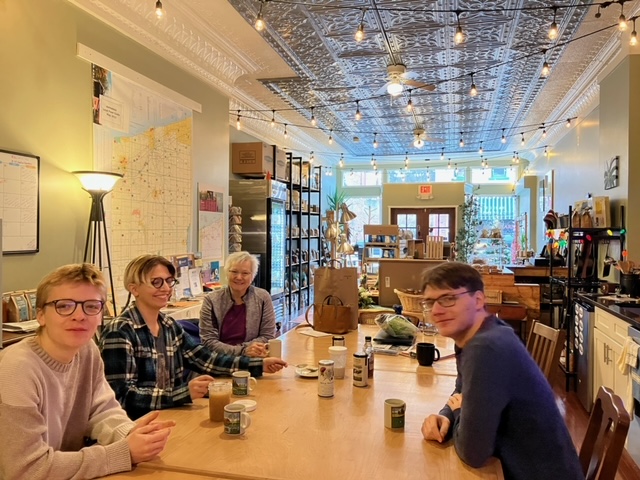
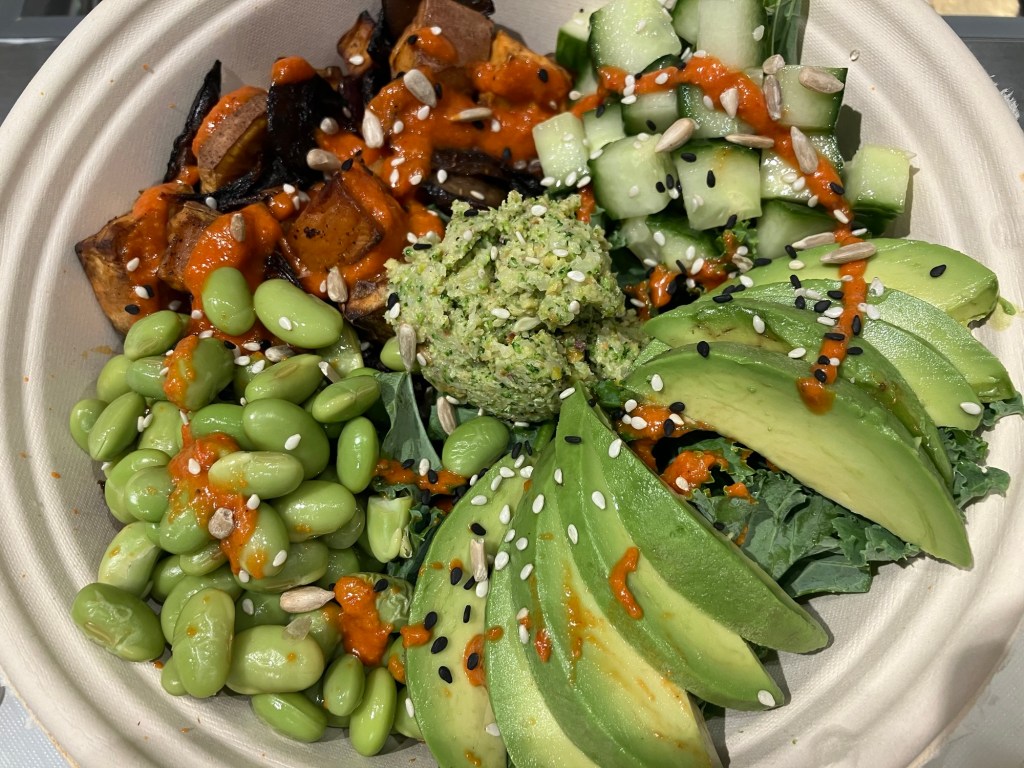
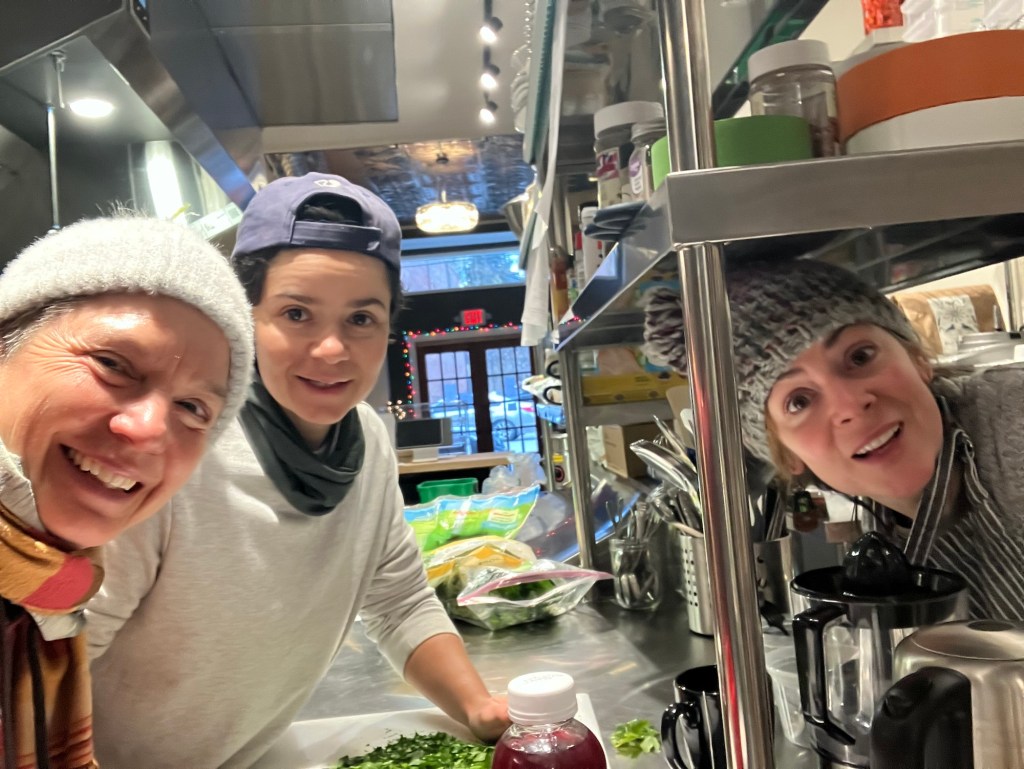
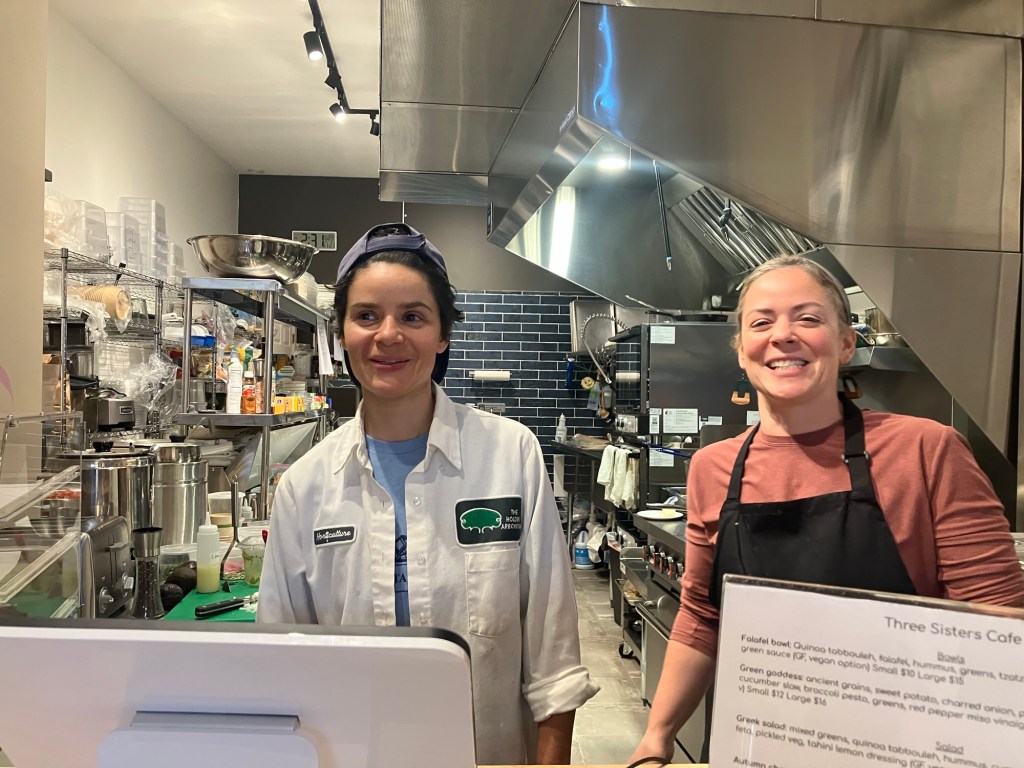
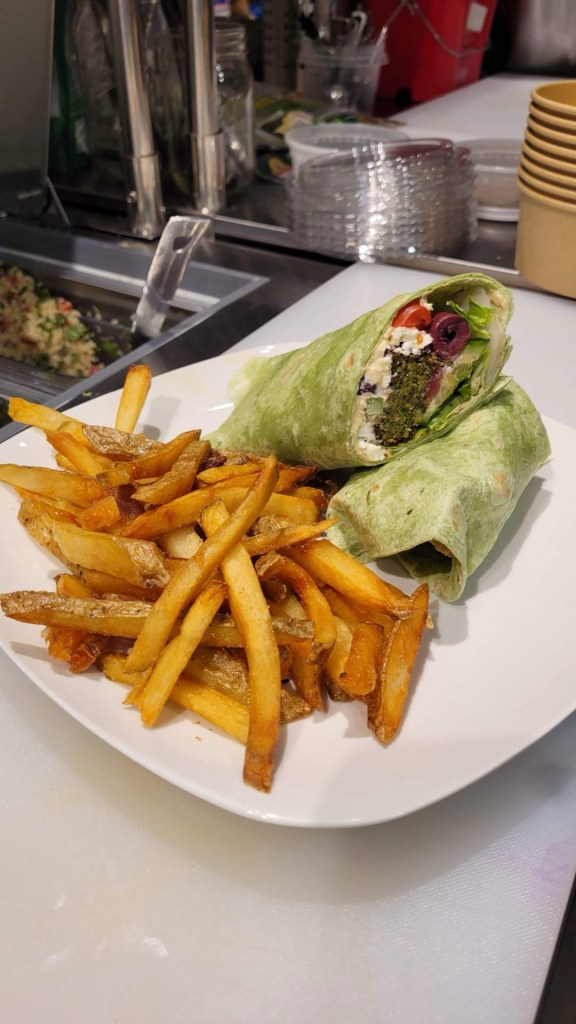
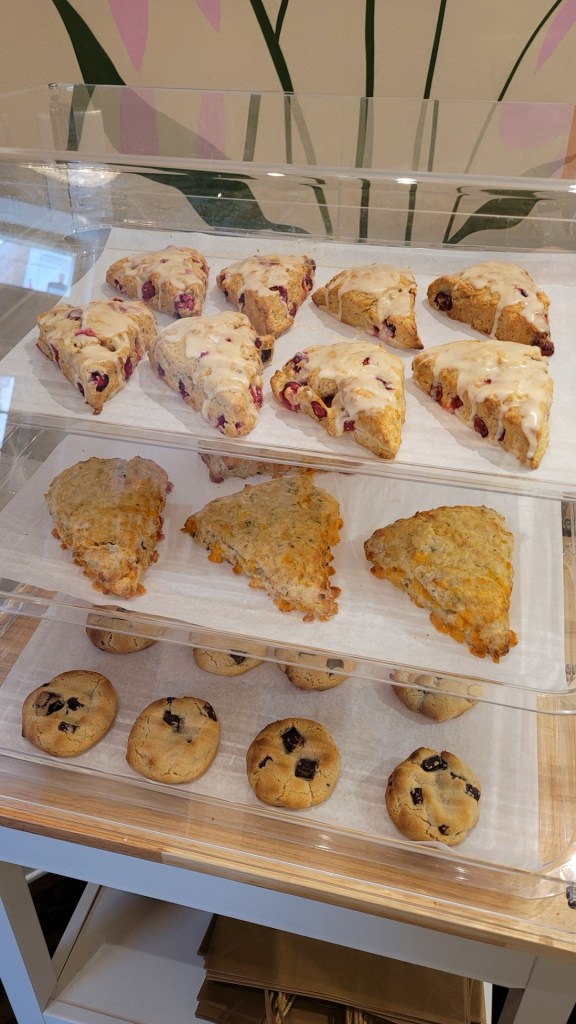
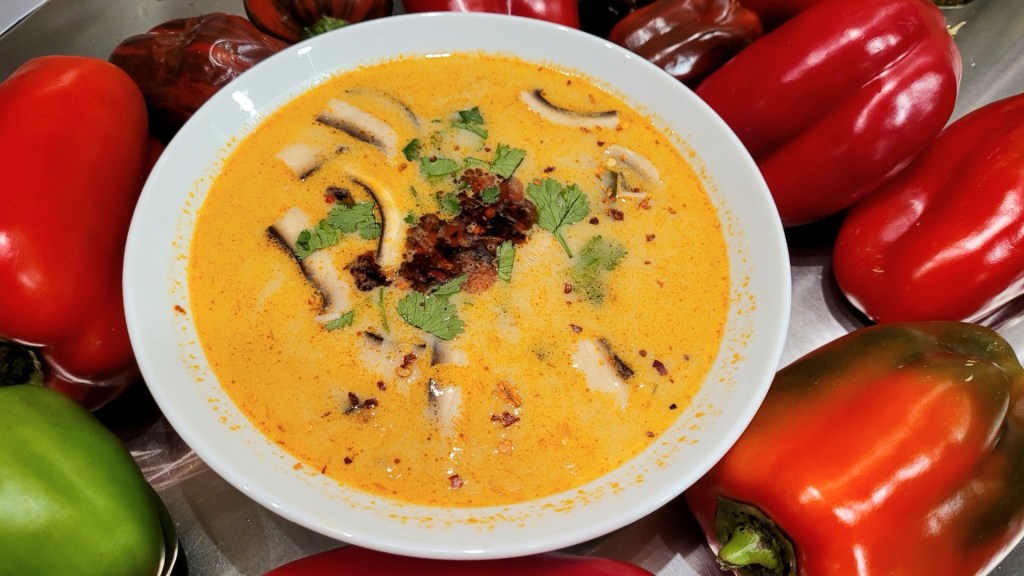
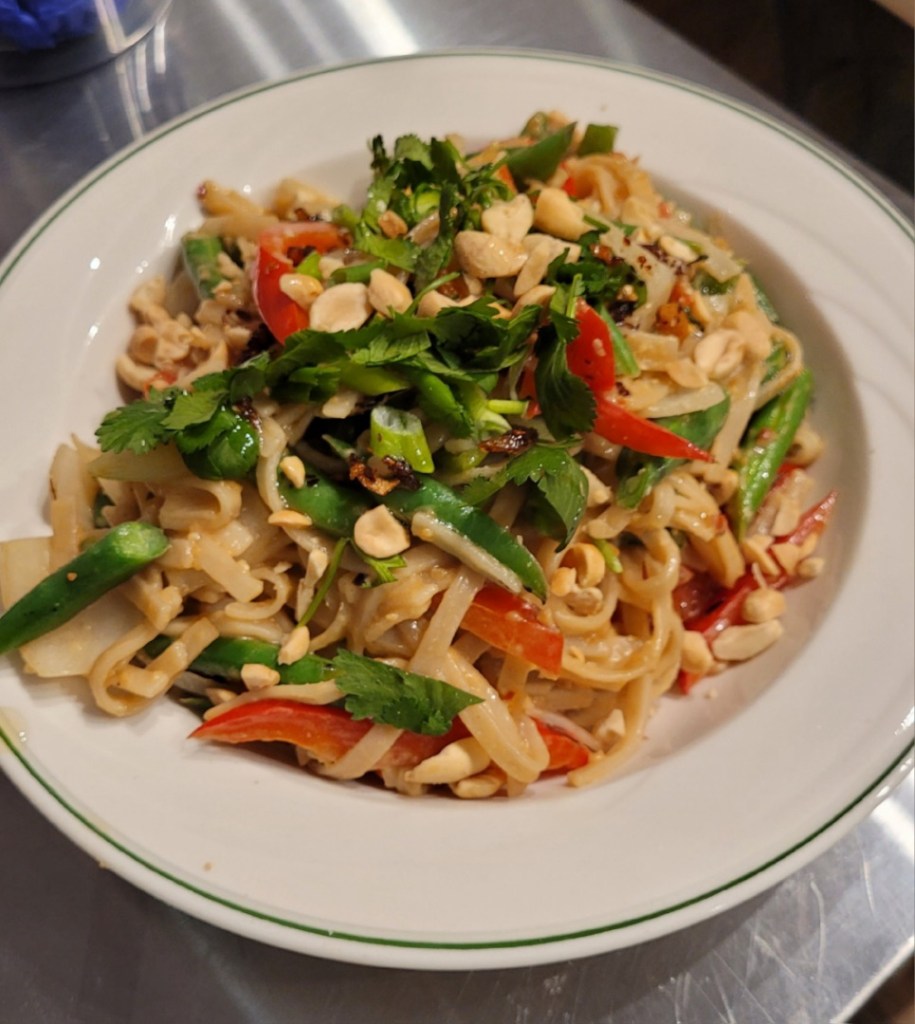
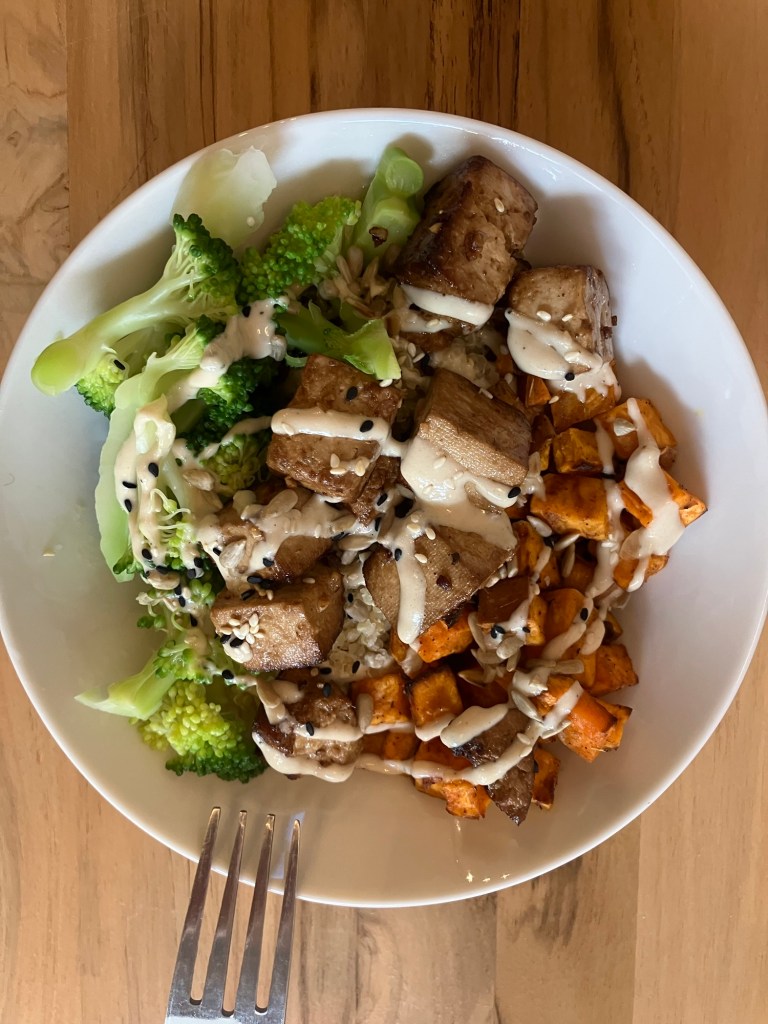
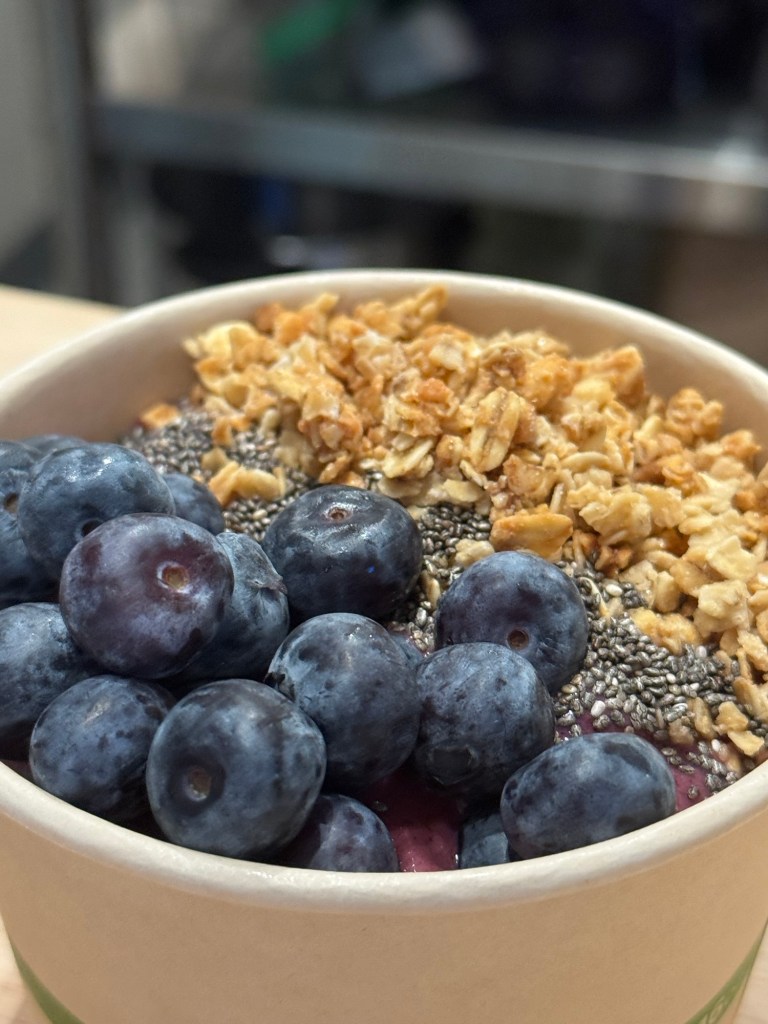
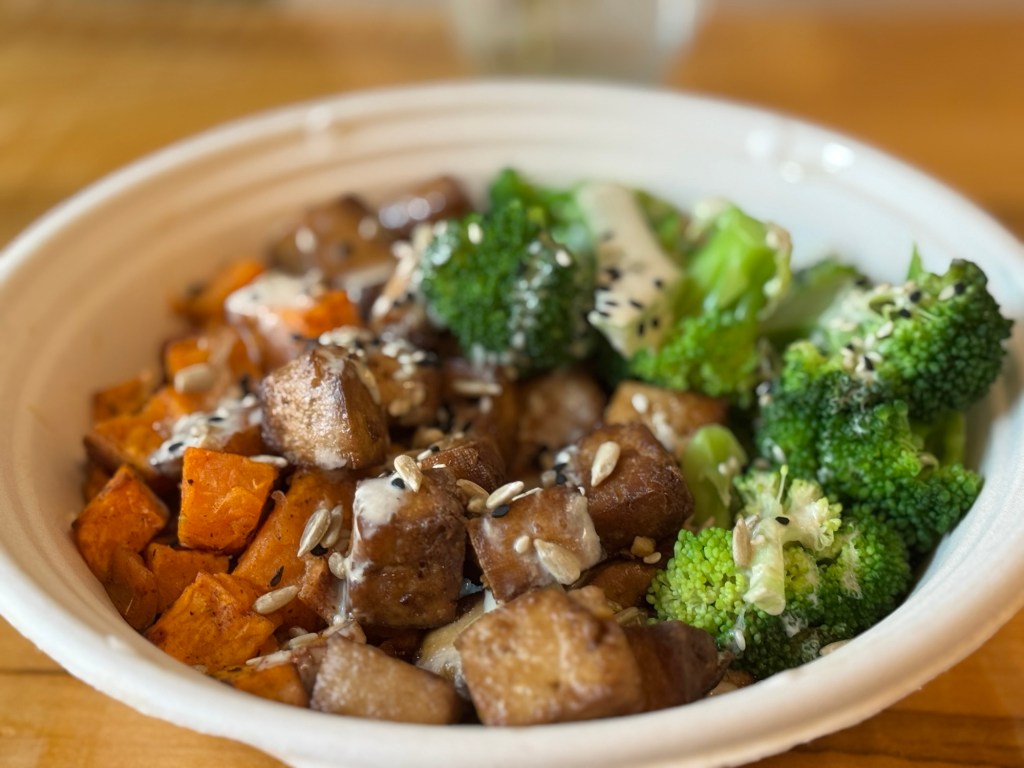
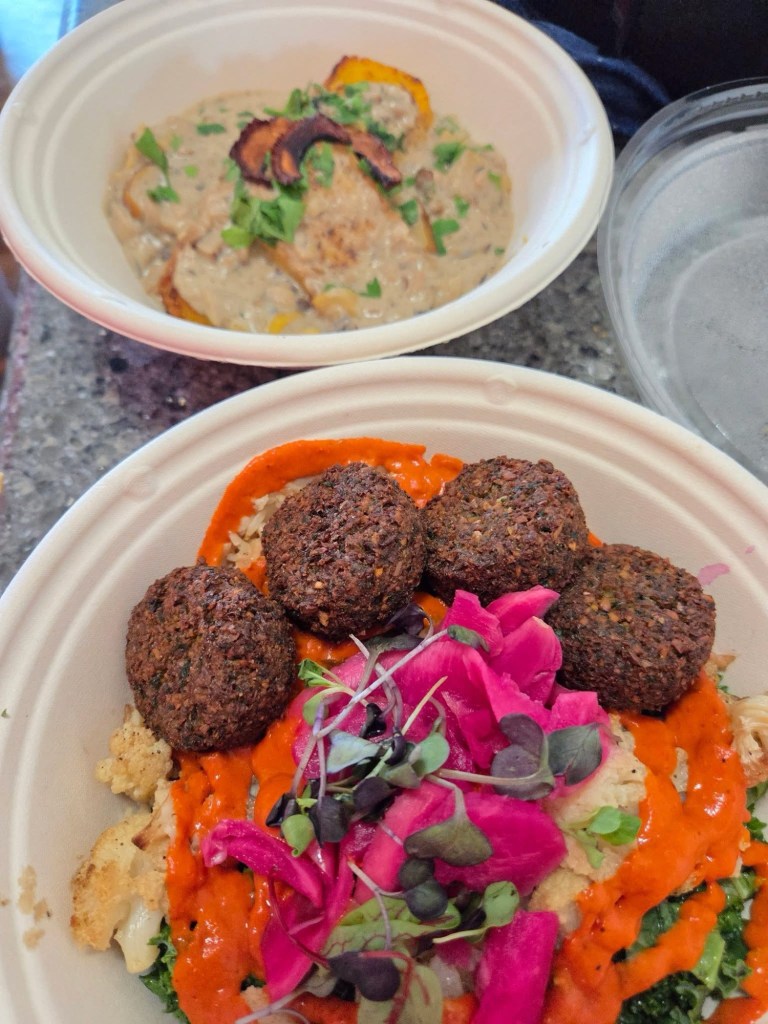
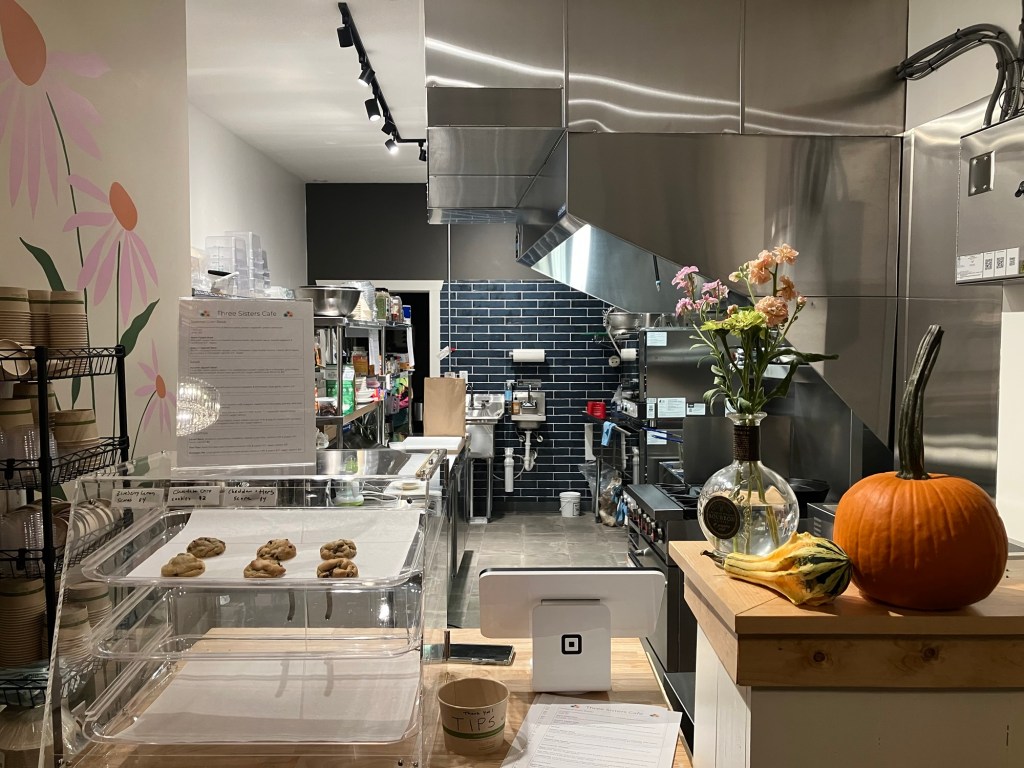
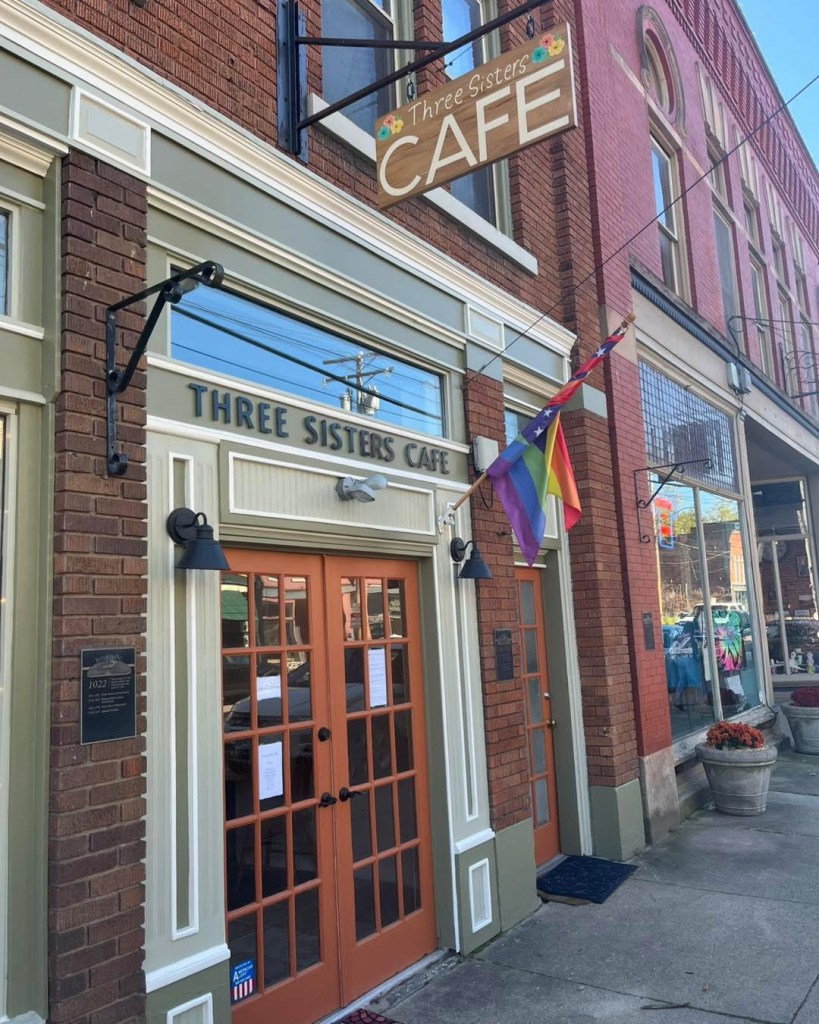
Hungry for delicious, local food already made up? Stop into The Three Sisters Cafe next door to Harbor Gardens!
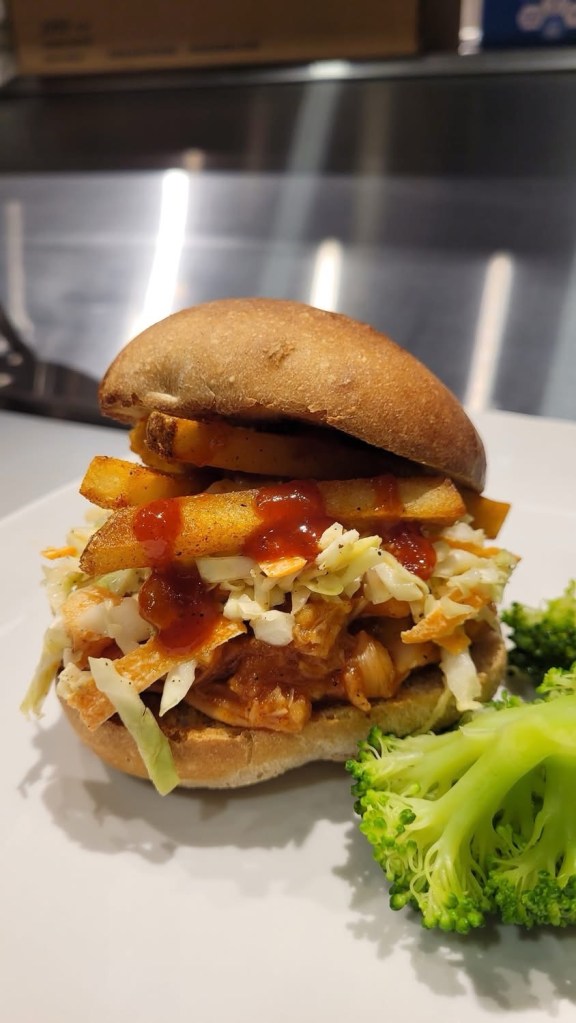
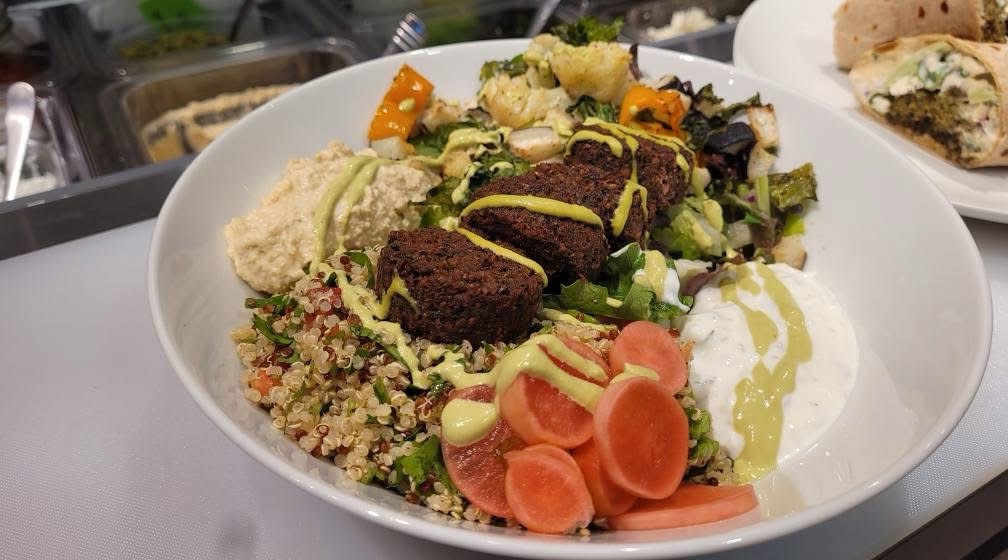
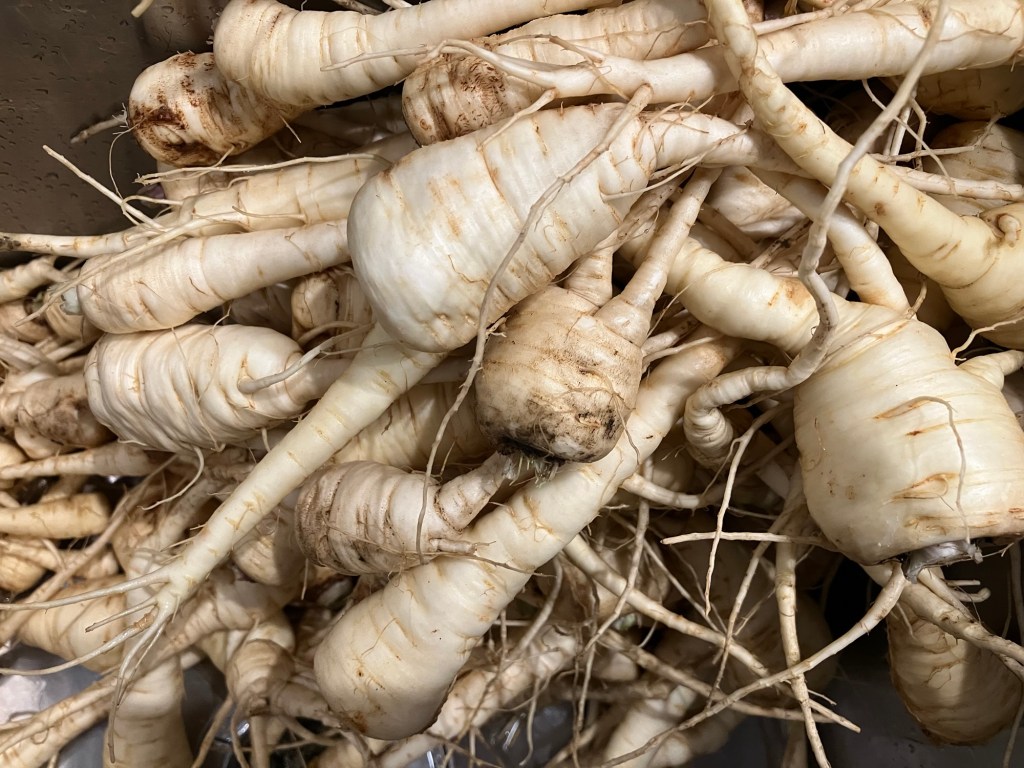
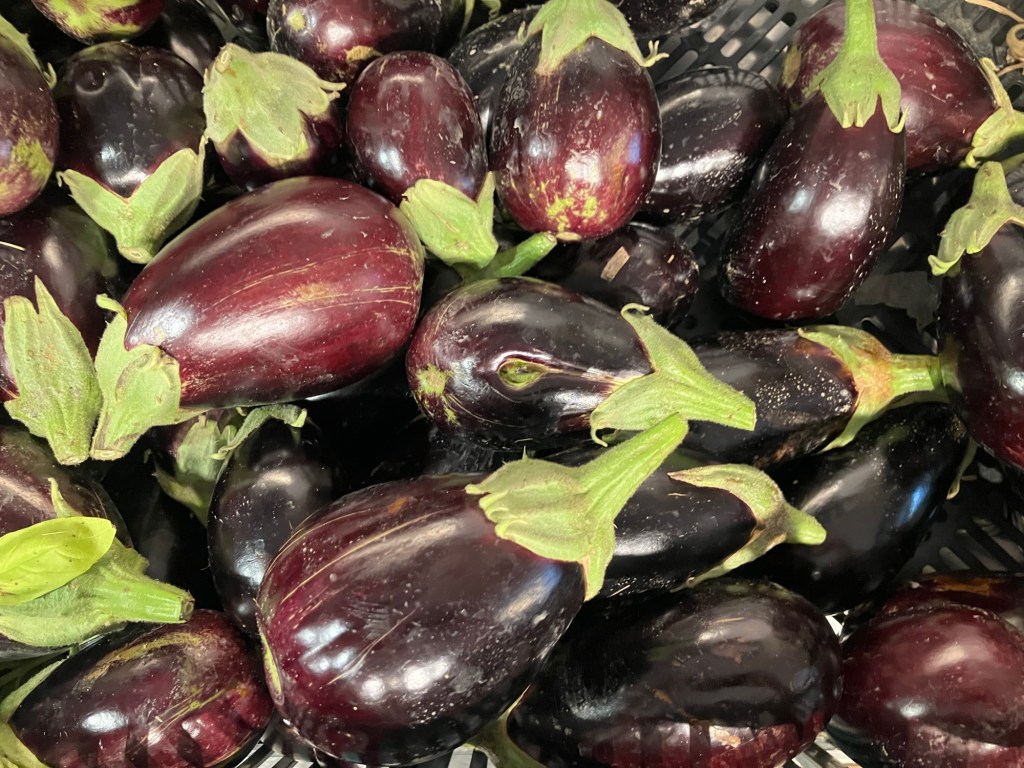
Menu has local food items, sometimes grown by Sarah and other friends, with tons of flavor, color and local pride!





Harbor Gardens: Local Food Market & Demonstration Kitchen
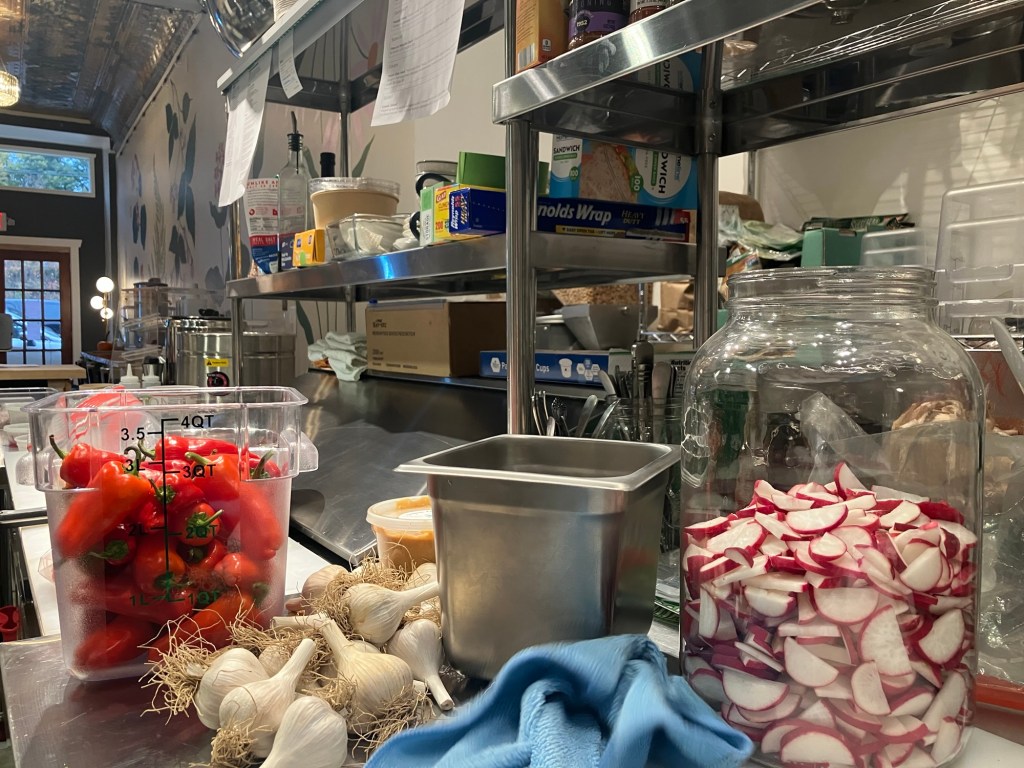
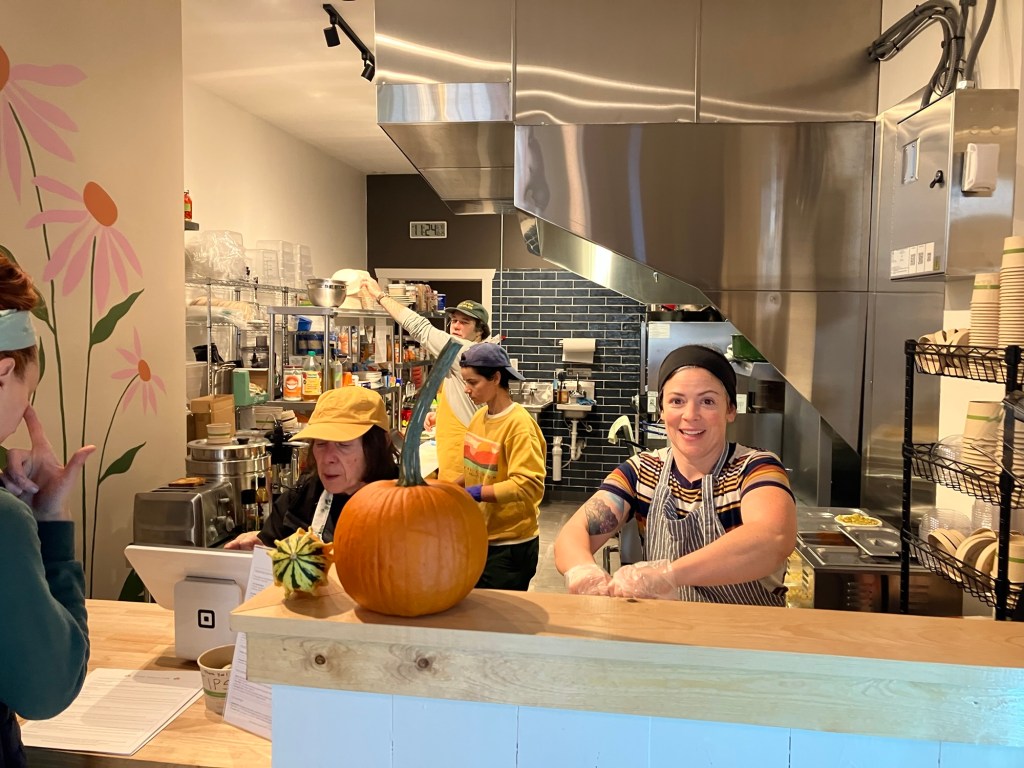
A general store building community around self-reliance and food security, appreciation for our local ecosystems and sell items sustainably grown and made in Ashtabula County.
Hungry for delicious, local food already made up? Stop into The Three Sisters Cafe next door to Harbor Gardens!
Menu has local food items, sometimes grown by Sarah and other friends, with tons of flavor, color and local pride!

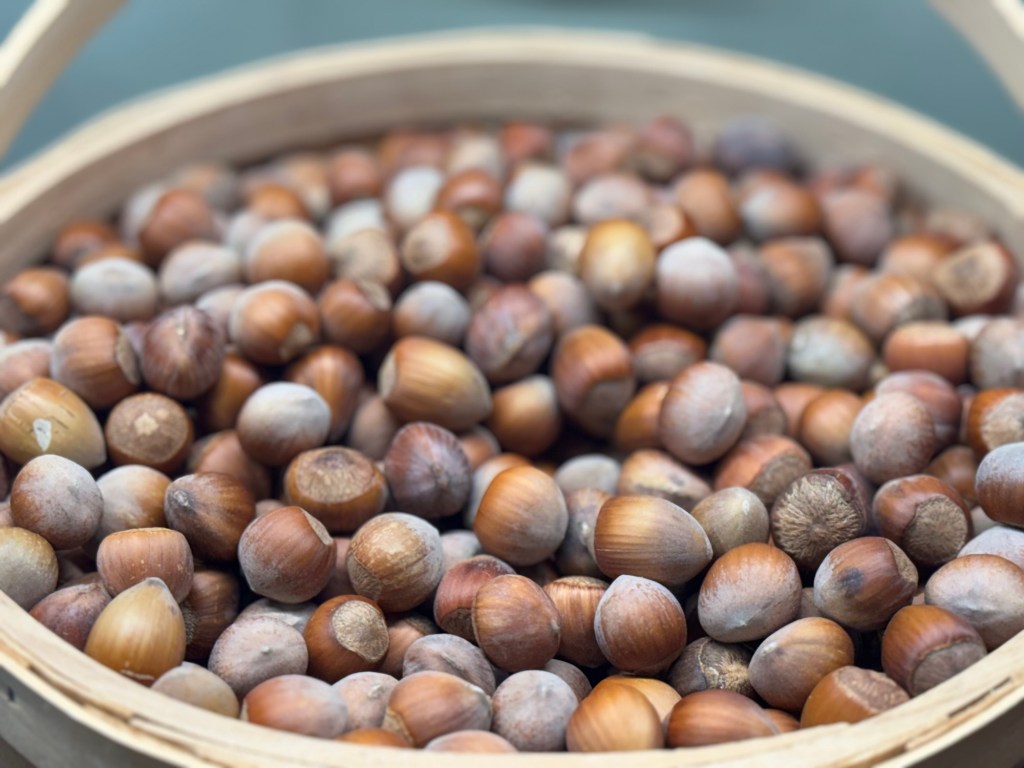
Northridge Blueberry Farm has chestnuts. You can pick your own in Conneaut!
This article is from the Oct 2025 North Coast Voice Magazine
Along the shores of Lake Erie, northeastern Ohio is known for its fertile soil, rolling vineyards, and rich agricultural traditions. Among its many treasures, one seasonal delight stands out each autumn: the locally grown chestnut. With their glossy brown shells and sweet, nutty flavor, chestnuts are more than just a nostalgic holiday treat—they are a nutritious, versatile, and delicious food that has deep roots in both culinary history and modern healthy eating.
Chestnut season in Ashtabula County typically begins in late September and runs through November, when the trees drop their spiny burrs to the ground, revealing the shiny nuts inside. For local farmers and families, this is a time of gathering, roasting, and celebrating the harvest. The crisp autumn air, the crunch of leaves underfoot, and the scent of chestnuts roasting over an open flame create a sensory experience that is both comforting and festive.
Unlike many other nuts, chestnuts are harvested fresh and enjoyed in their natural state rather than dried. This makes them unique in both flavor and texture. Their slightly sweet, earthy taste pairs beautifully with both savory and sweet dishes, while their soft, almost potato-like consistency after roasting sets them apart from almonds, walnuts, or pecans.
Chestnuts have been cultivated for thousands of years across Europe, Asia, and North America. In fact, the American chestnut tree once dominated the eastern forests of the United States before a devastating blight in the early 20th century nearly wiped them out. Today, thanks to dedicated growers and agricultural innovation, chestnut orchards are making a comeback, and Ashtabula County now has a new you-pick chestnut option – Northridge Blueberries in Conneaut.
Local farmers have embraced chestnut cultivation not only for its economic potential but also for its ecological benefits. Chestnut trees are hardy, resilient, and provide valuable habitat for wildlife. Their deep roots help prevent soil erosion, and their blossoms attract pollinators, making them an important part of the local ecosystem.
Chestnuts are often called the “grain that grows on trees” because of their unique nutritional profile. Unlike most nuts, which are high in fat and protein, chestnuts are low in fat and rich in complex carbohydrates. This makes them an excellent source of sustained energy, perfect for fueling the body during the colder months.
Here are some of the key health benefits of chestnuts:
This combination of nutrients makes chestnuts a wholesome addition to any diet, offering both flavor and function.
One of the most exciting aspects of chestnuts is their versatility in the kitchen. They can be roasted, boiled, pureed, or ground into flour, lending themselves to a wide range of recipes.
Local chefs and home cooks alike are finding creative ways to showcase chestnuts in both traditional and modern dishes. Farmers’ markets and seasonal festivals often feature chestnut-inspired recipes, giving residents and visitors a chance to savor this local delicacy.
Choosing locally grown chestnuts not only provides a fresher, more flavorful product but also supports the farmers who are working hard to keep this crop thriving. Buying directly from local orchards or markets helps sustain the agricultural economy of NE Ohio and ensures that chestnut cultivation continues to grow.
Local farms welcome visitors during chestnut season, offering opportunities to pick chestnuts by hand, learn about the growing process, and enjoy the harvest firsthand. These experiences connect people to the land and foster a deeper appreciation for the food on their tables. Check out Northridge Blueberry Farm in Conneaut, Wintergreen Farm in Mantua, Rt 9 Cooperative in Carrollton, and Buckeye Chestnuts in Cleveland.
Whether enjoyed roasted by the fire, incorporated into a festive holiday meal, or baked into a sweet treat, chestnuts bring warmth and nourishment to the season. Their unique combination of flavor, nutrition, and versatility makes them a standout ingredient that deserves a place in every kitchen. As the leaves turn and the air grows crisp, chestnuts remind us of the simple pleasures of autumn and the importance of supporting local agriculture. Check out Ashtabula Harbor where the Kiwanis Club roasts most Saturdays and Sundays.
By celebrating and supporting this local crop, the community not only enjoys a seasonal delicacy but also helps preserve a tradition that connects past, present, and future. It’s listed as one of the top five trees to grow for building your own homestead – and community – self sufficiency (becomeselfsufficient.com. Eat some now, grow some for later!
U-Pick Chestnut Farms: Call in advance
Northridge Blueberry Farm in Conneaut
Wintergreen Farm in Mantua
Rt 9 Cooperative in Carrollton
Buckeye Chestnuts in Cleveland.
Local Farmers’ Markets
Still going strong – please continue to support your local farmers’ market!


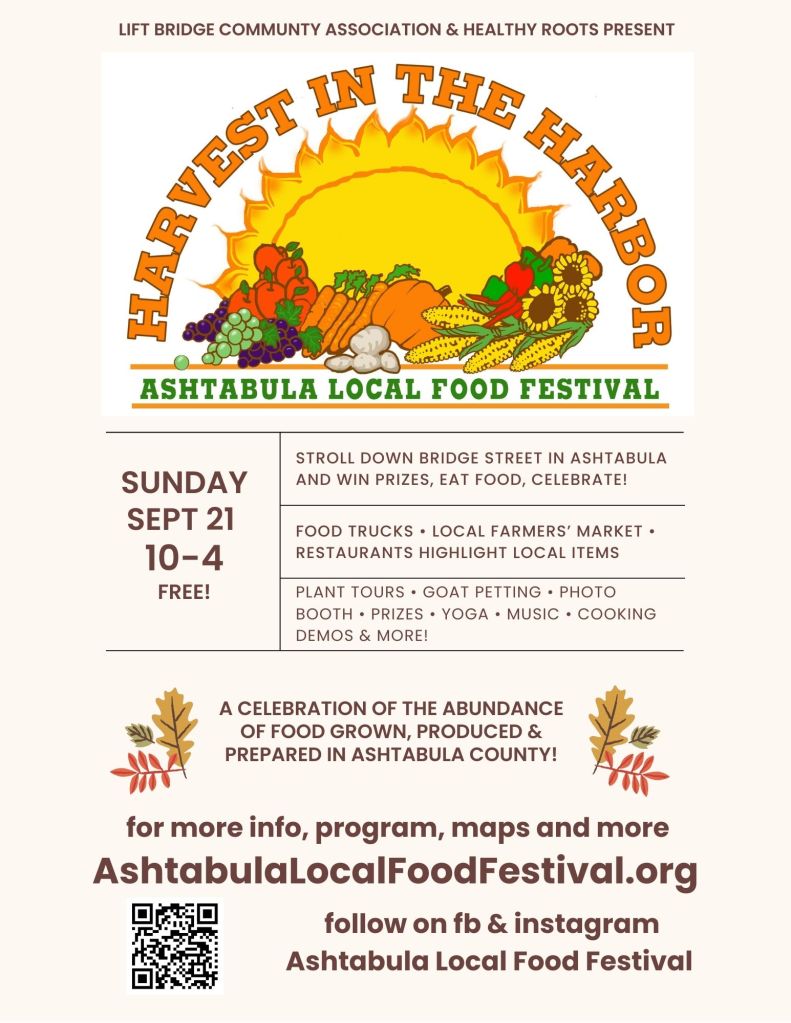
For more information: Contact: Gallo at the above address; Harbor Gardens, Ashtabula, OH 44004 440.969.7470, check out AshtabaulaLocalFoodFestival.org Festival is co-hosted by Lift Bridge Community Association and Healthy Roots.
We will be closed today.
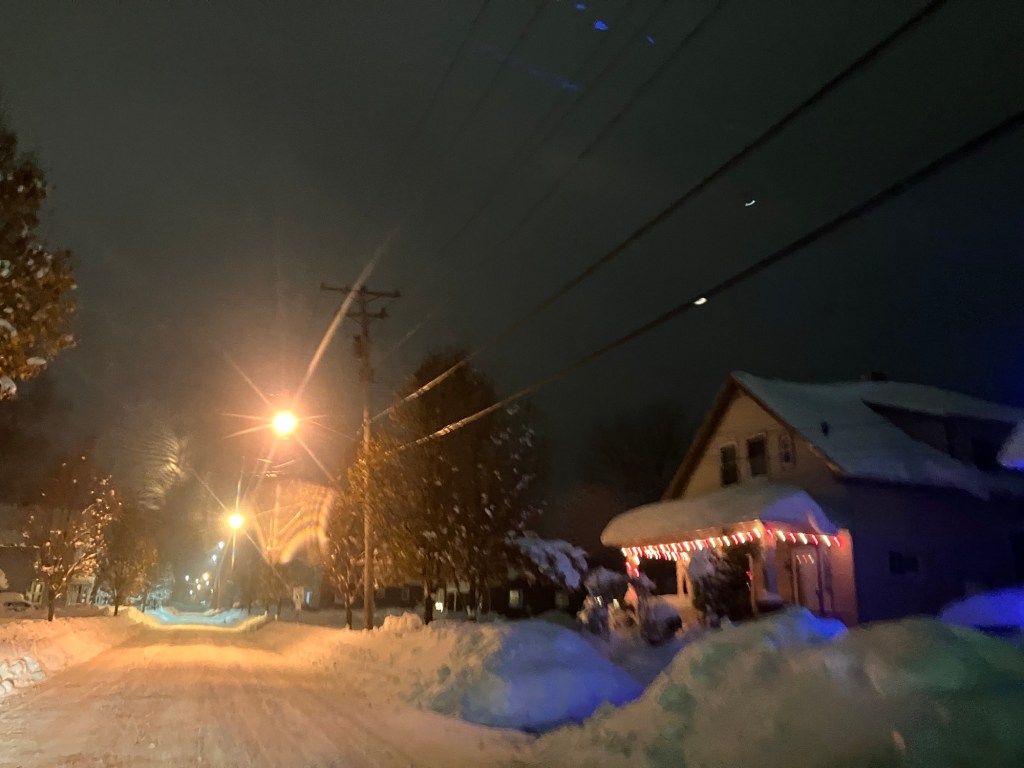
“The County Sherriff has continued and expanded the Level 3 Snow Emergency from SR 6 north to the lake. Only emergency personnel should be on the roads until the emergency is lifted by the Sherriff’s Office.”
We will continue the extraction of snow, expand our capacity of thought and hope you are safe! We look forward to re-opening soon and will keep you posted!
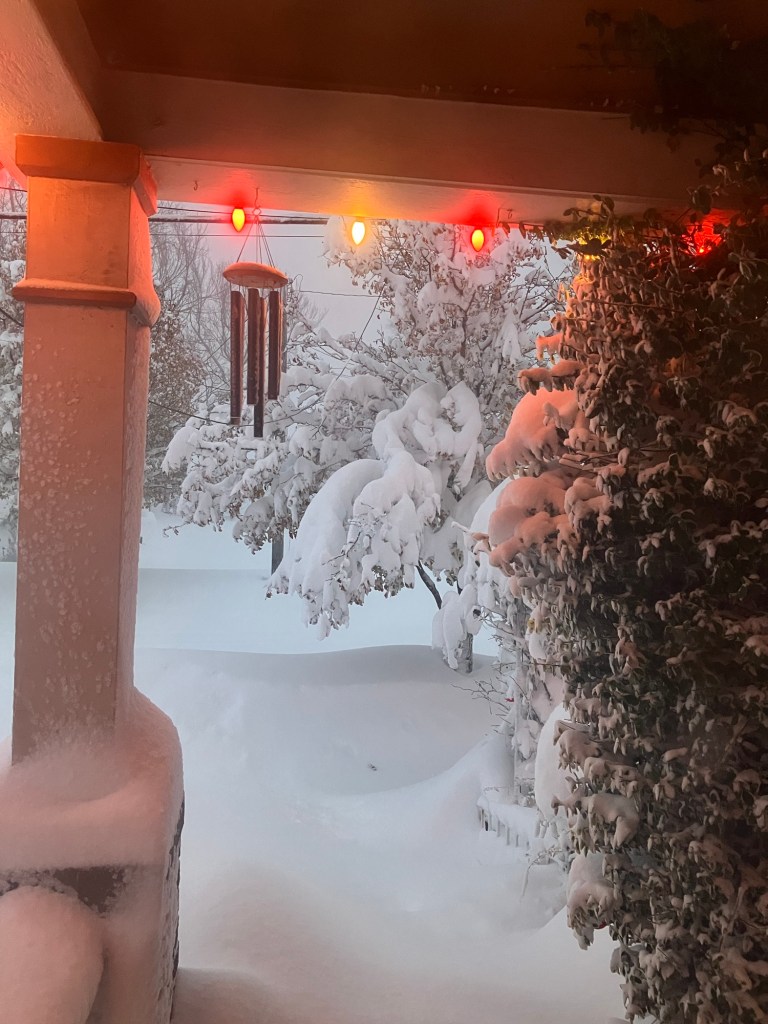
Mother Nature has spoken. We have received well over two feet of snow on top of yesterday’s foot plus. We hope you are safe and snuggled in! Small business Saturday will have to be postponed this year as I don’t think we will be able to get there in time.
Put an address in the note and we will send it to you or someone you love!

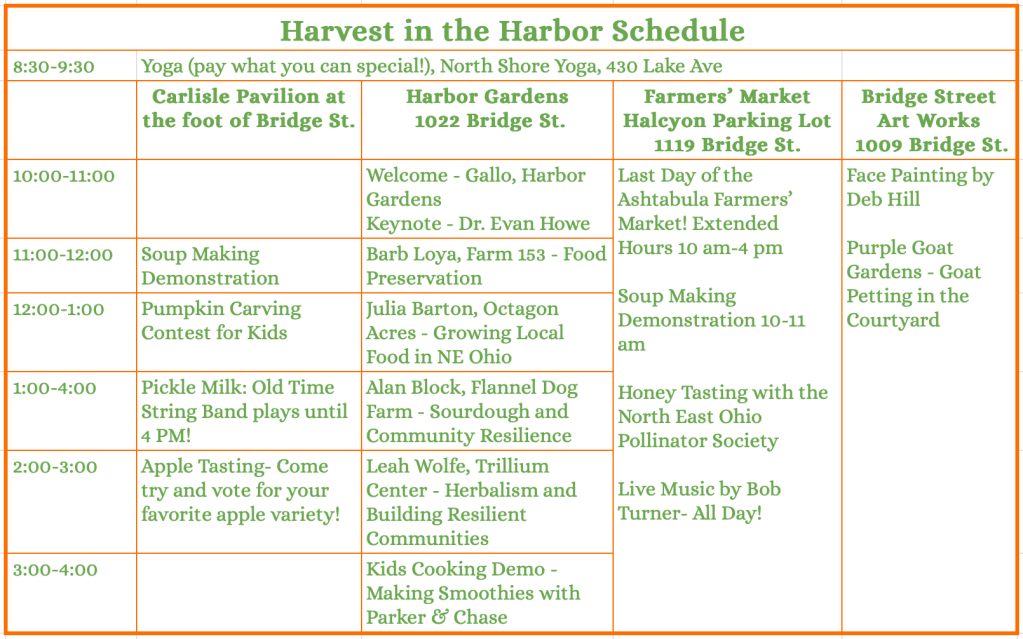
Sunday, October 13 from 10-4pm
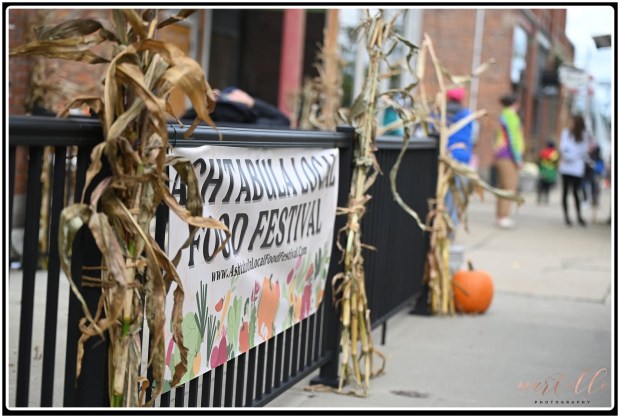
Harvest in the Harbor is a celebration of the bounty in Ashtabula County. We invite you to take this opportunity to meet food growers and producers, seed savers, health workers, local businesses, and other allies to build community resilience in an ever changing world by growing and eating local food. Planting your seeds in the local food movement means a harvest of dense nutrition, social nourishment, and community connections.
www.AshtabulaLocalFoodFestival.org
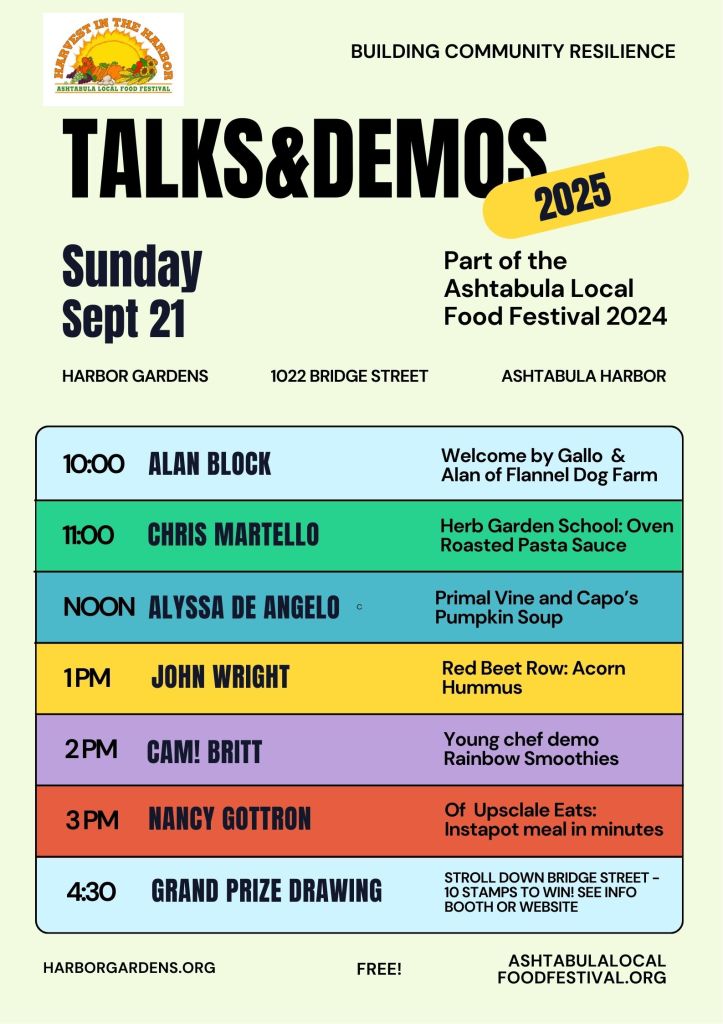
Harbor Gardens is a proud sponsor and will host the talks and demos by (Dr. Evan Howe, Julia Barton of Octagon Acres, Alan Block of Flannel Dog Farm, Leah Wolfe of Trillium Center, Barb Loya of Farm 153 and a kids’ smoothie demo by Chase and Parker)

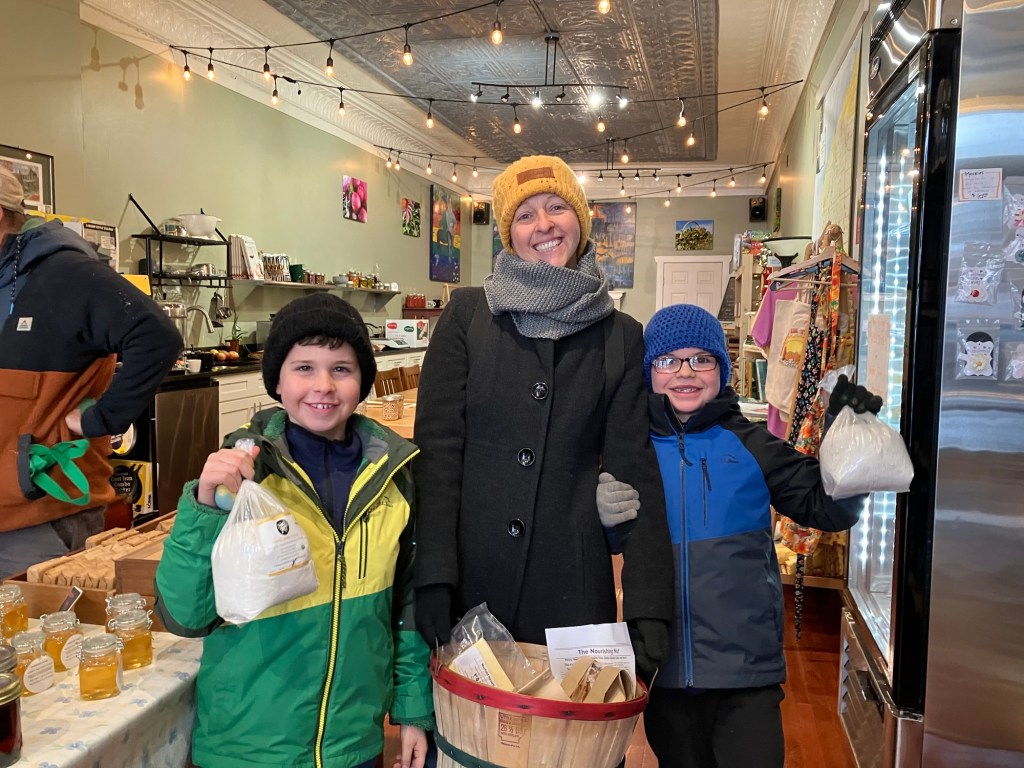
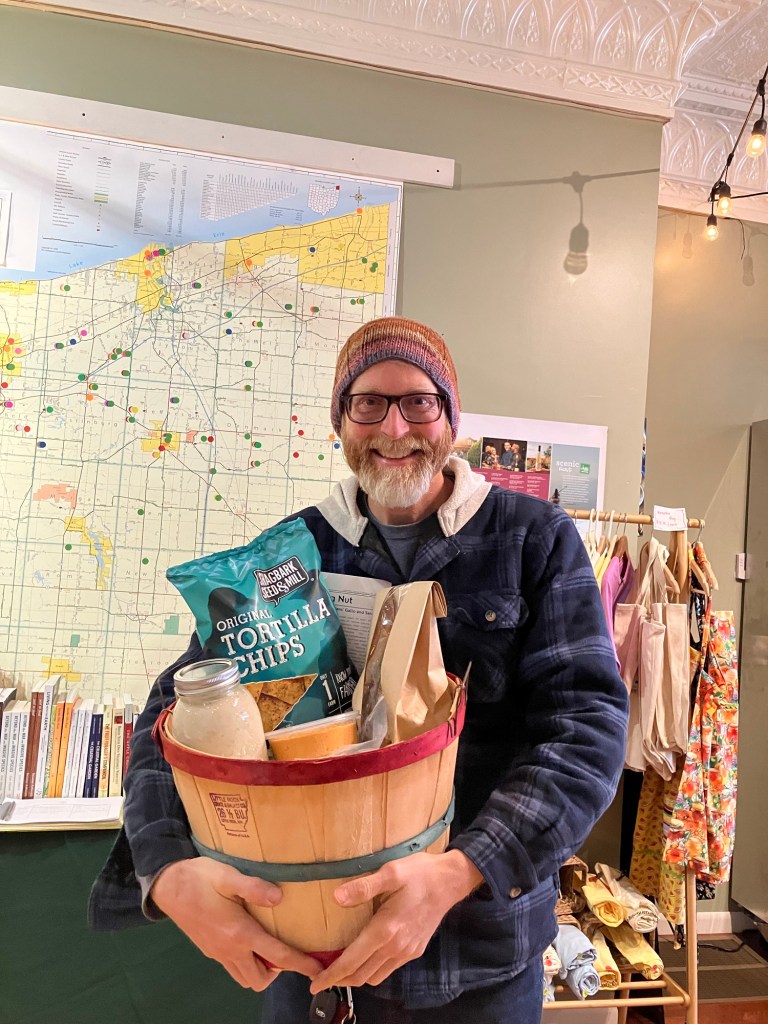
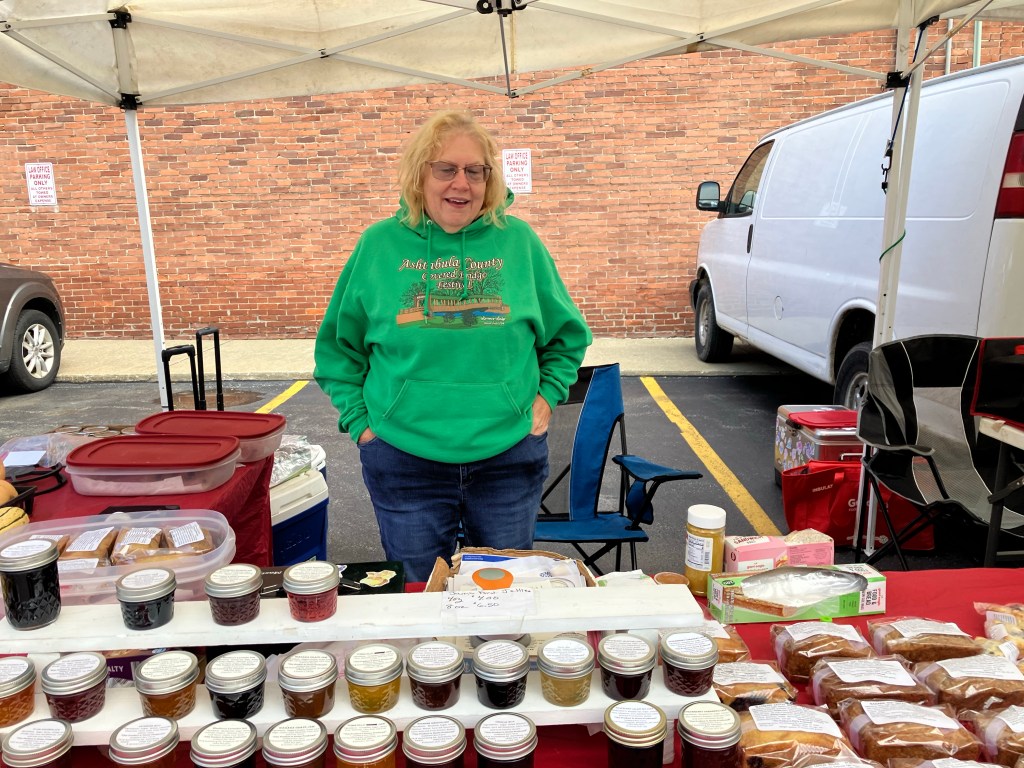
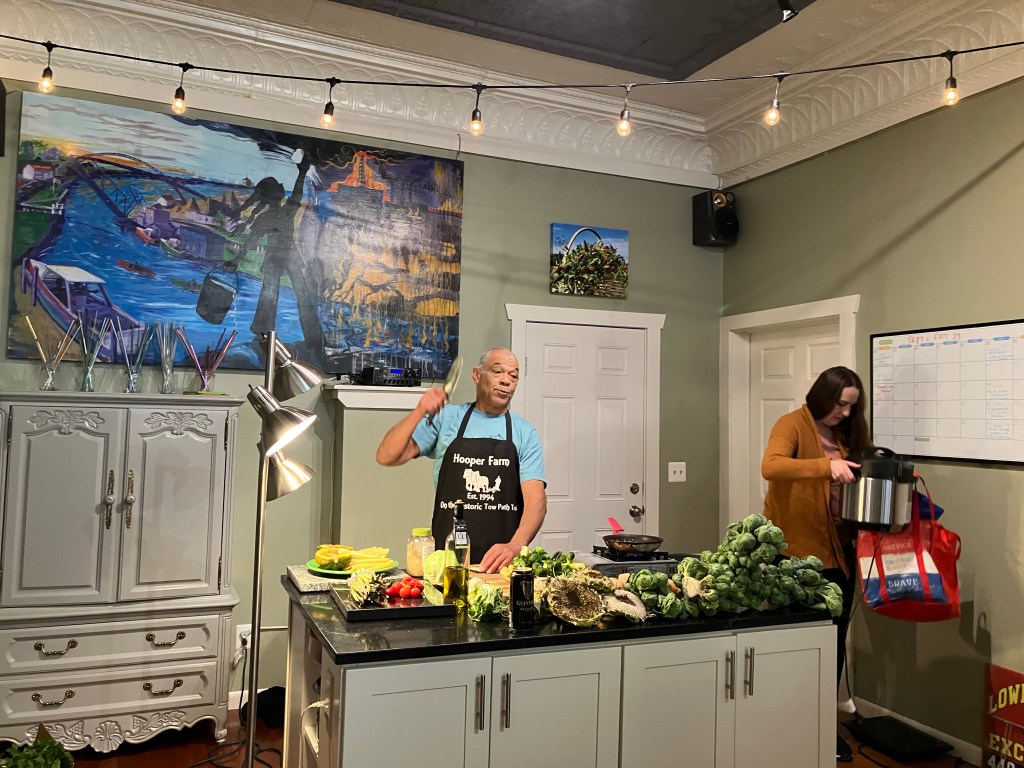

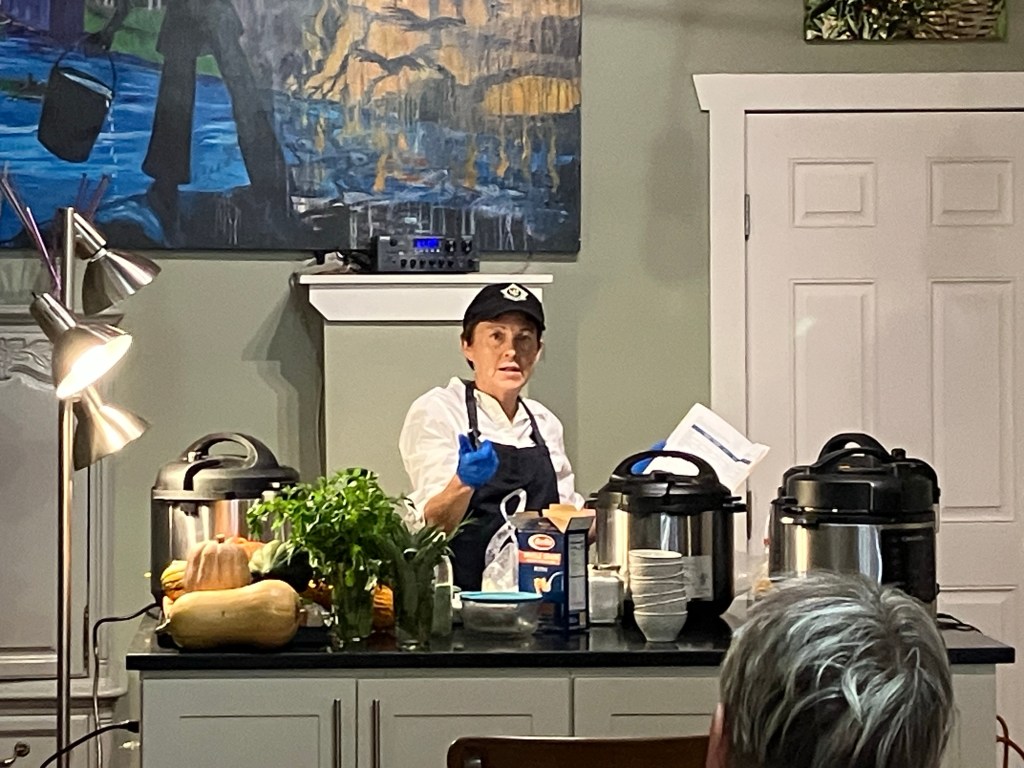
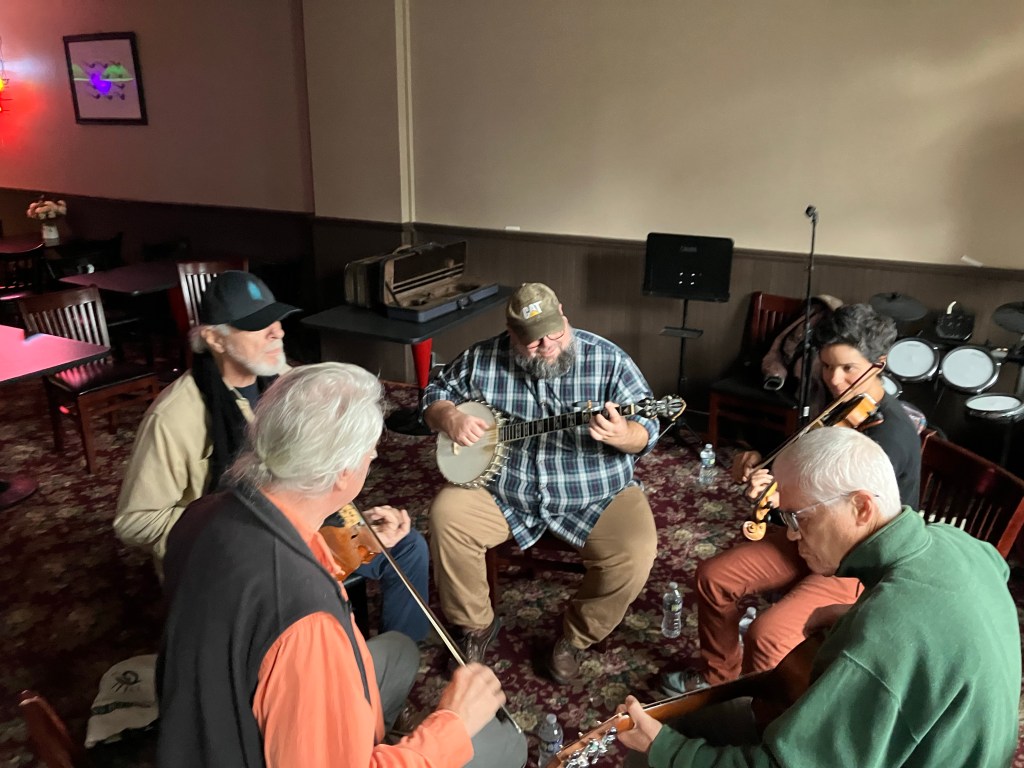


Sign up for a local treat every other week this winter!
from North Coast Voice – June 2023
NCV June 2023
Homegrown: Spotlight on Local Food
Chive Talking
June is the best month in NE Ohio as it signals the first of the return-of-the-farmers-markets! Local delights await and we are prepared with our palettes, plates and water-bath canners. Ready to soak up each delight as our long and mild winter jumped head first into summer and we only have the next nine months to look forward to local and fresh bounty. Late spring and we are quick to get excited about the asparagus, leafy greens, kale, strawberries and rhubarb. Last year, at this time, our article in June focused on the delicious and edible garlic scapes that get cut off the garlic stem at this time of year to make a bright pesto. This year, we want to focus on a culinary delight and edible flower that does often take the back seat to bolder flavors, the chive and its perfectly purple blossom.
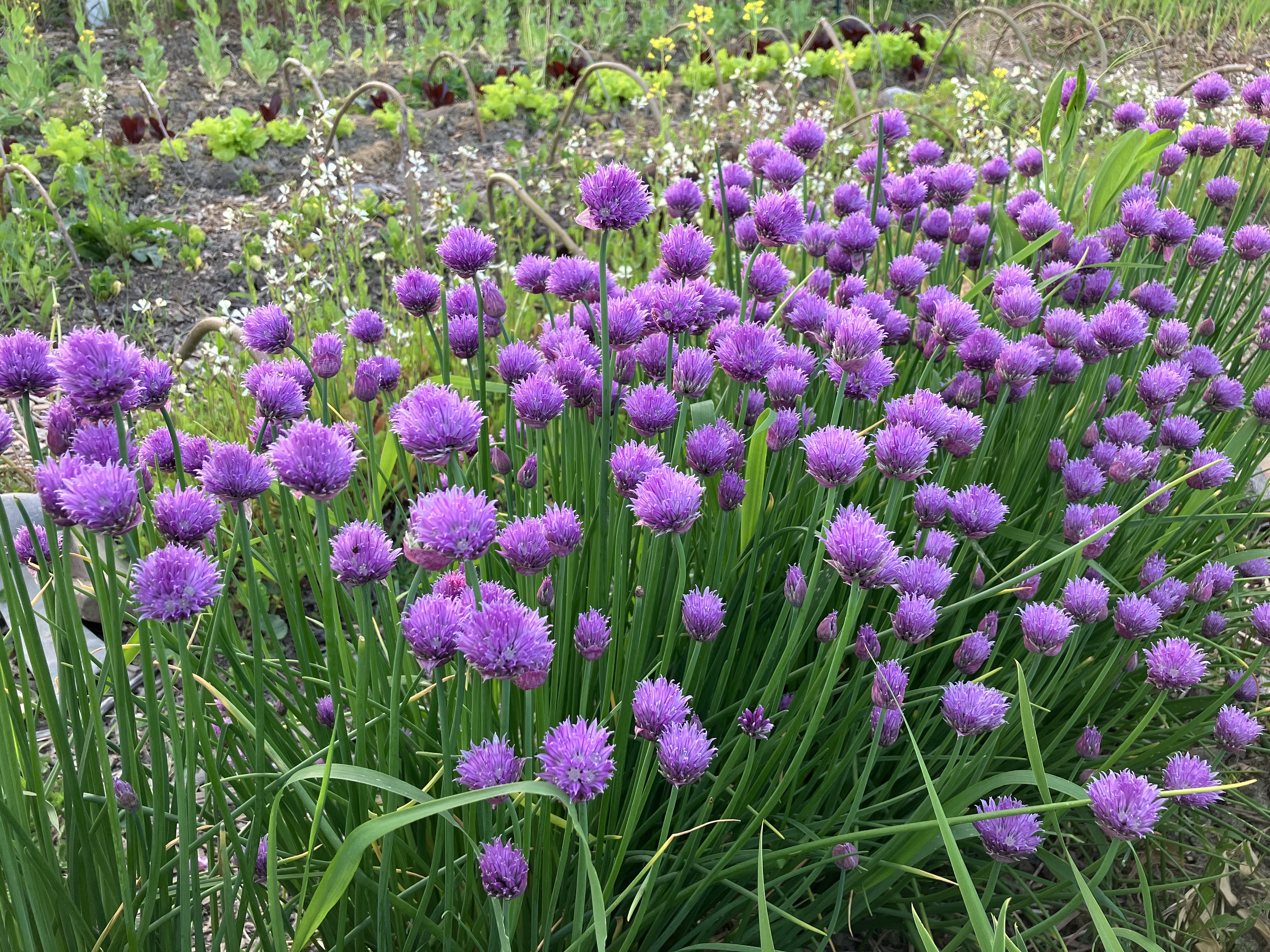
The chive (Allium schoenoprasum) blossom is a pink to violet-colored globular flower that sits on top of deep green tubular leaves. Both are fully edible. The chive blossoms in June and pulled apart gently, the blossom leaves are a perfect accoutrement to almost any savory food – hot or cold. The purple leaves of the flower are delicate in onion and light garlic taste and make for a beautiful addition visually. They would never boast, but are filled with Vitamins A and C, potassium, calcium and iron.
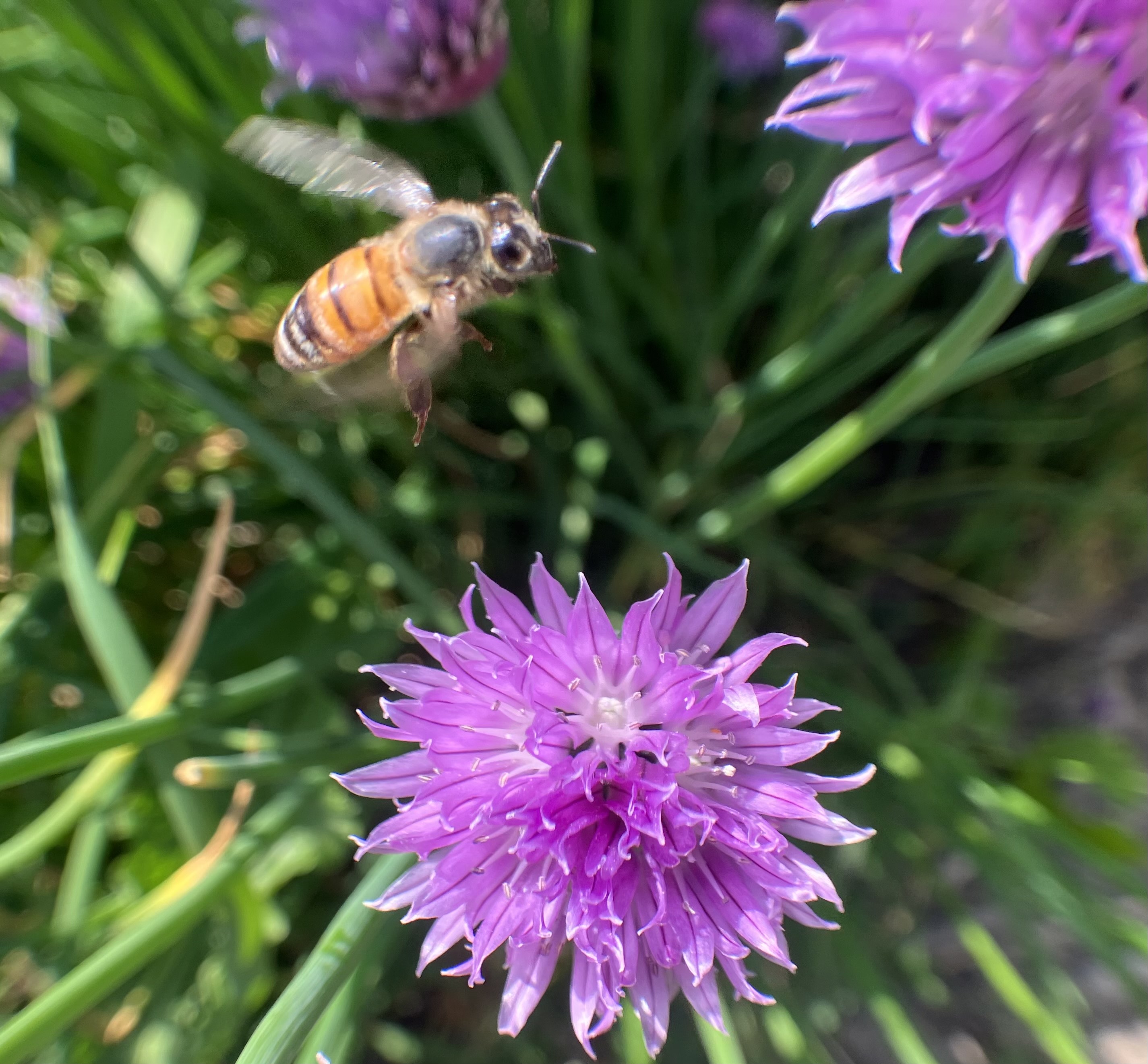
Chives have been used in both the medicinal and culinary fashion for over 5000 years. With the latter gaining most notoriety through French cooking. Medicinally, they have trace amounts of sulfur-rich oil, that most Allium enjoy, that provide protection from inflammation and has both antibacterial and antifungal qualities. In the garden, the round globes also attract and nourish garden beneficials, these are predatory insects who keep pesky insects at bay. They attract many types of pollinators*, too (photo below). A walk through a patch of chives in the garden and you will appreciate a whole ecosystem. Additionally, chives grow perennially in clumps, so together, they are a gorgeous bouquet in the garden to delight young and older eyes. They are easy to grow indoors or out-of-doors, too!
Because chives and their blossoms are so delicate and delicious, ask your favorite grower at the farmers’ market if they are growing any chives. If not, consider adding them to your garden this year. You may want to get them by the ½ gallon container as these recipes are easy, gorgeous, tasty and will add vibrant color to your summer festivities. We are including a few of our favorite recipes including chive blossom vinegar (7 minutes prep time and 3 days extraction on the counter) and fresh cucumber, tomato, feta and chive salad (using both the green stem and the purple flower). Bon appetit!


An excerpt from North Coast Voioce Jan 2023 Homegrown! Spotlight on Local Food
Happy New Year, friends and family! This article focuses on the local food movement and happenings related.
Winter bee watch: While we may be cuddling up, the worker bees are busy. A conversation with several local bee enthusiasts
During the last big snow storm, with hands around a thick ceramic mug filled with mint tea and honey, the question arose, where do the bees go when it snows in NE Ohio? Fortunately, a few days after the question, several bee enthusiasts happened upon the shop and were able to sit down and chat for a bit about honey and bees.
Whether you drink honey or not, bees play a vital role in food generation. Pollination is the act of moving pollen from the male part of the plant flower to the female enabling growth and reproduction. Over 250,000 species of plants depend on pollination to reproduce and one-third of crops eaten by United Statesians comes from crops pollinated by bees; called entomophily. Imagine a life without apples, watermelons, cranberries, pumpkins, squash, broccoli, zucchini, roses, blackberries, raspberries, cherries, and blueberries as these are some of the plants that require pollination to reproduce (ie.form seeds). Wild plants require pollination, too. Fortunately in Ohio, we have over 500 species of native bees and we have many honey bees, too. Honey bees are not native but we foster their existence and growth for the reasons listed above plus their ability to produce honey is widely appreciated.
The fascinating honey bee story as told by Zana of Coltman Apiary and Linda Dole of Windy Hill Farm goes like this: there are three kinds of honey bees in a hive – the Queen, worker bees and drones. The Queen bee can lay as many as 1500 eggs in a day during peak production while the worker bees, all females, tend to the work of keeping the hive clean, producing and storing honey, caring for the larvae, building cells, guarding the nest and foraging/pollinating. These worker bees are wonderfully productive and live 4 to 6 weeks during the summer. The drones are male bees who wait to mate with the Queen. When winter comes, the drones are kicked out of the hive. The worker bees will form a cluster around the Queen and flap, shiver and shake to keep her warm. These workers take turns eating and clustering and a hive can go through as many as 80 pounds of honey in a season. This is why it is important for beekeepers to allow the bees to keep some honey for their wintering months. There is no hibernation and sleeping for these bees – winter is a musical and collaborative dance in admirable teamwork.
Honey bees, valued for their sweet honey production, have an agricultural benefit 10 to 20 times that of honey. They estimate $15 billion in added crop value nationwide. They are necessary in the work of pollination and we, in NE Ohio, would find it difficult to eat as well as we do without the bees. Included in this process are native bees that do not produce honey but work hard at pollination. Native bees have a much higher pollinating capacity than honey bees. They work hard at keeping food production alive through the summer. Our symbiosis with bees ensures delicious gardens! So what can an average person do to keep these pollinators happy?
We can keep bees fed, happy and working by easily adapting a few concepts into our own gardening. Enjoy looking around your own garden environment this spring and notice these tiny creatures performing subtle work that makes all of the difference.
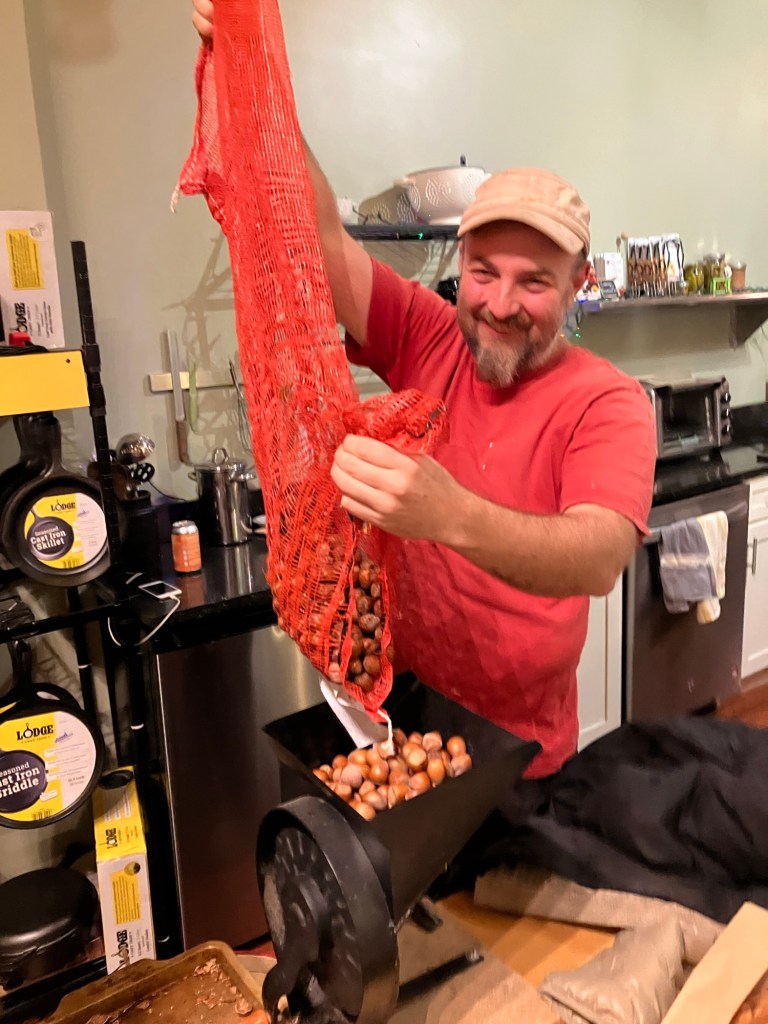
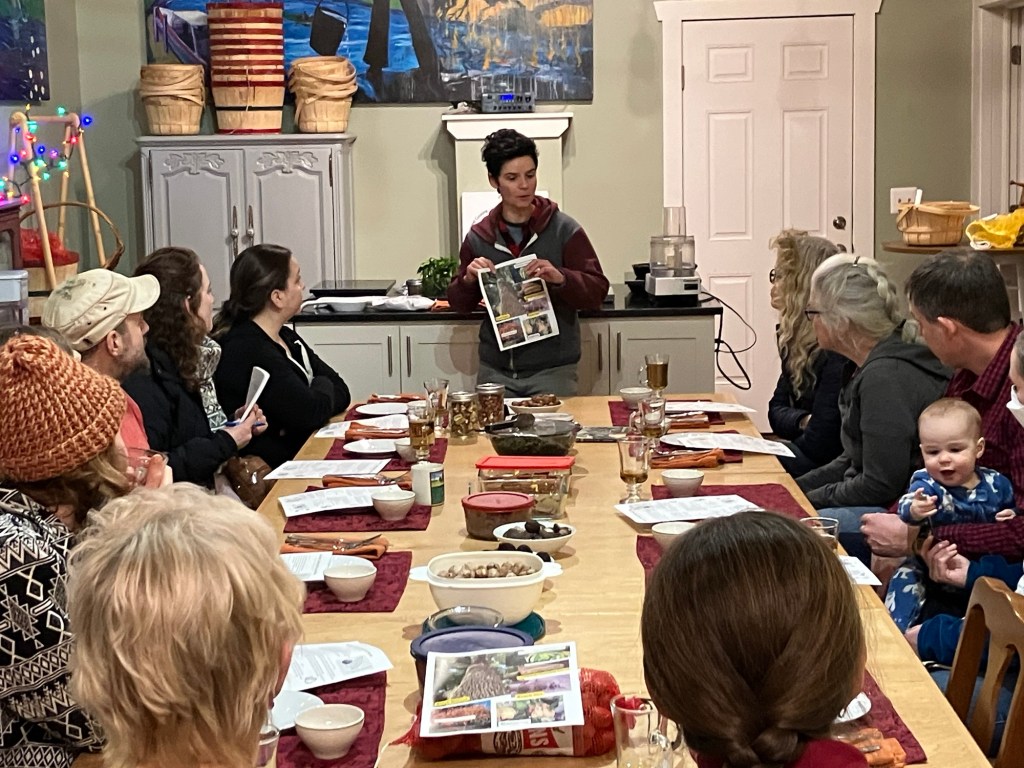
In other local food-related news: There is a large hazelnut farm in Geauga County – Newcomb Nut Farm – inspiring folks to consider planting more nut “trees” in NE Ohio. They were in Ashtabula recently giving a demonstration of all the tasty vittles one can make with hazelnuts including hazelnut butter, cream, toasted as a salad topper, chocolate covered and hazelnut oil!
A few events happening this winter:
Jan 11 – Mar 8; Wednesday. 1-3pm; virtual and free: Western Reserve Land Conservancy hosts “Inviting Biodiversity into our Gardens.” This is the first in a series. Register at www.wrlandconservancy.org/events. Free
Jan 11 – Mar 8; every other Wednesday. 7pm. Northeast Ohio Pollinator Society. “Homegrown conservation: Stewarding our landscapes for pollinators and other wildlife.” register at go.osu.edu/neops. Free – donations happily accepted.
Jan 14, 2023; Saturday. 1-2:30pm; Henderson Memorial Library hosts, “Youth Intro to beekeeping.”
Feb 16-18: OEFFA Conference (Ohio Ecological Food & Farm Association). Join in person and learn to grow your own farm, business, adventure!
Want to get more intimately involved with bees? Check out your local beekeeping association! There are several in Ashtabula, Geauga and Lake counties.
Question for the new year: how can we become completely self-reliant regarding food in NE Ohio? We have the land, access to fresh water, clean air, knowledge and equipment. What steps are needed?
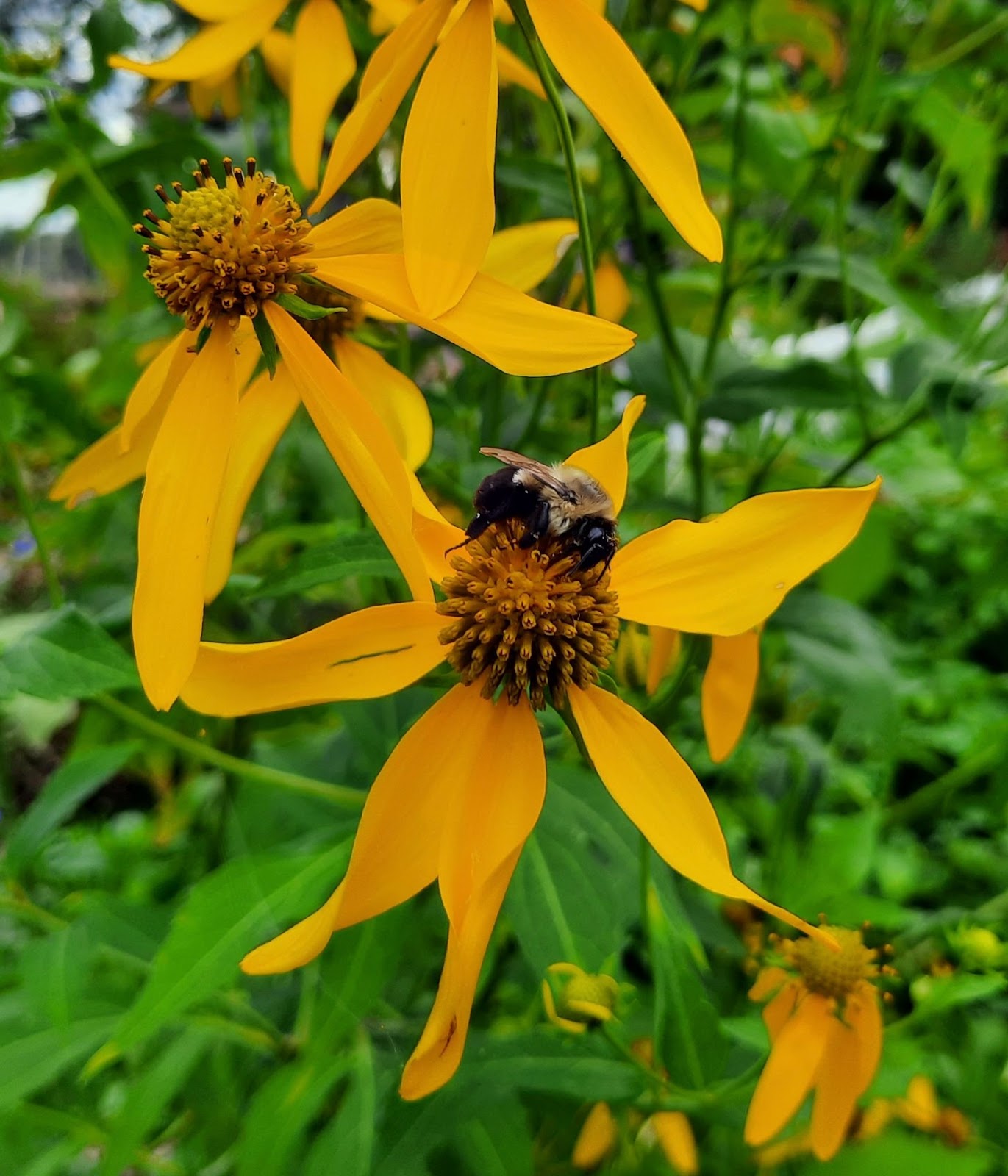
Native Sochan, a towering, edible & gorgeous perennial, and a native pollinating bumble bee in Ashtabula 2021 (photo by Gallo, garden by Sarah Brower)
Local bee enthusiasts enjoy a cup of tea with honey at Harbor Gardens in December, 2022. L to R Quin Coltman, Zana Coltman, Linda Dole, and Ethan Coltman (of Coltman Apiary and Windy Hill Farms). Photo by Gallo
Have a WordPress.com account? Log in now.